
Tourism, China, Anhui
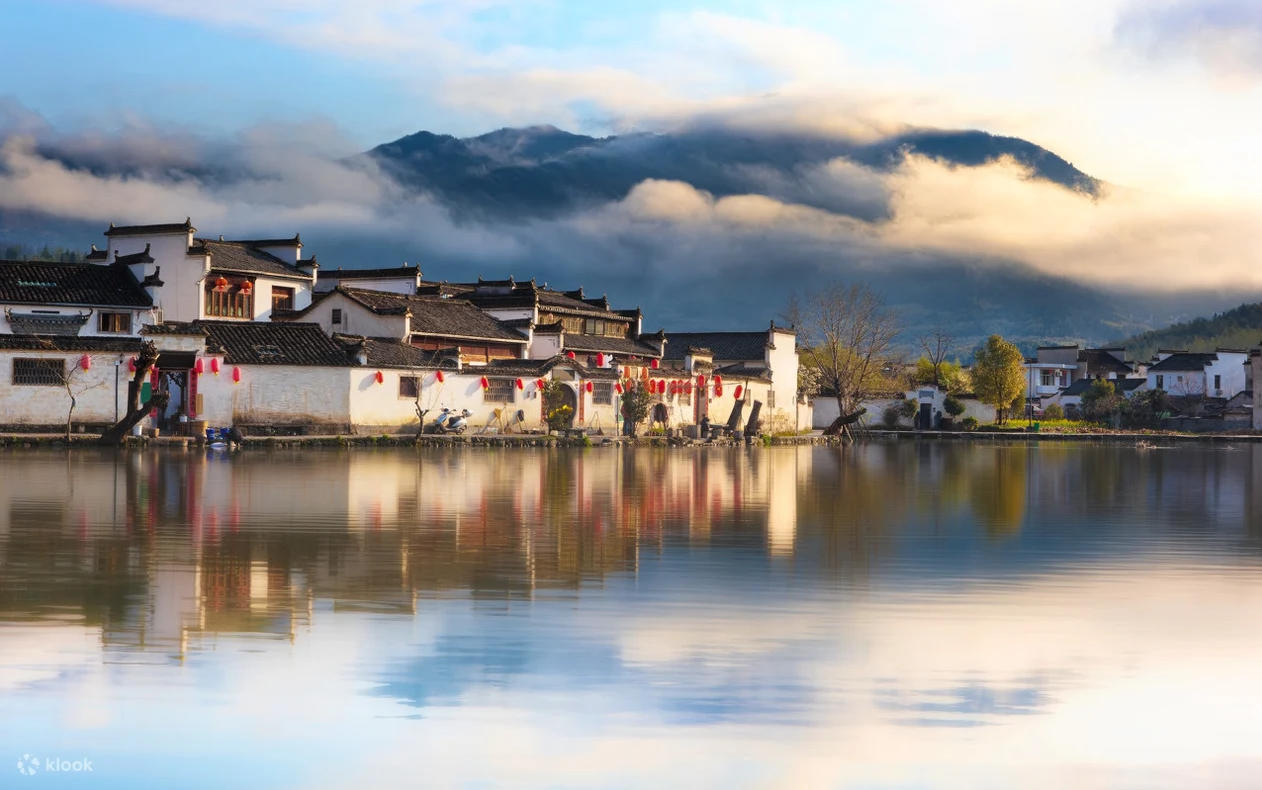
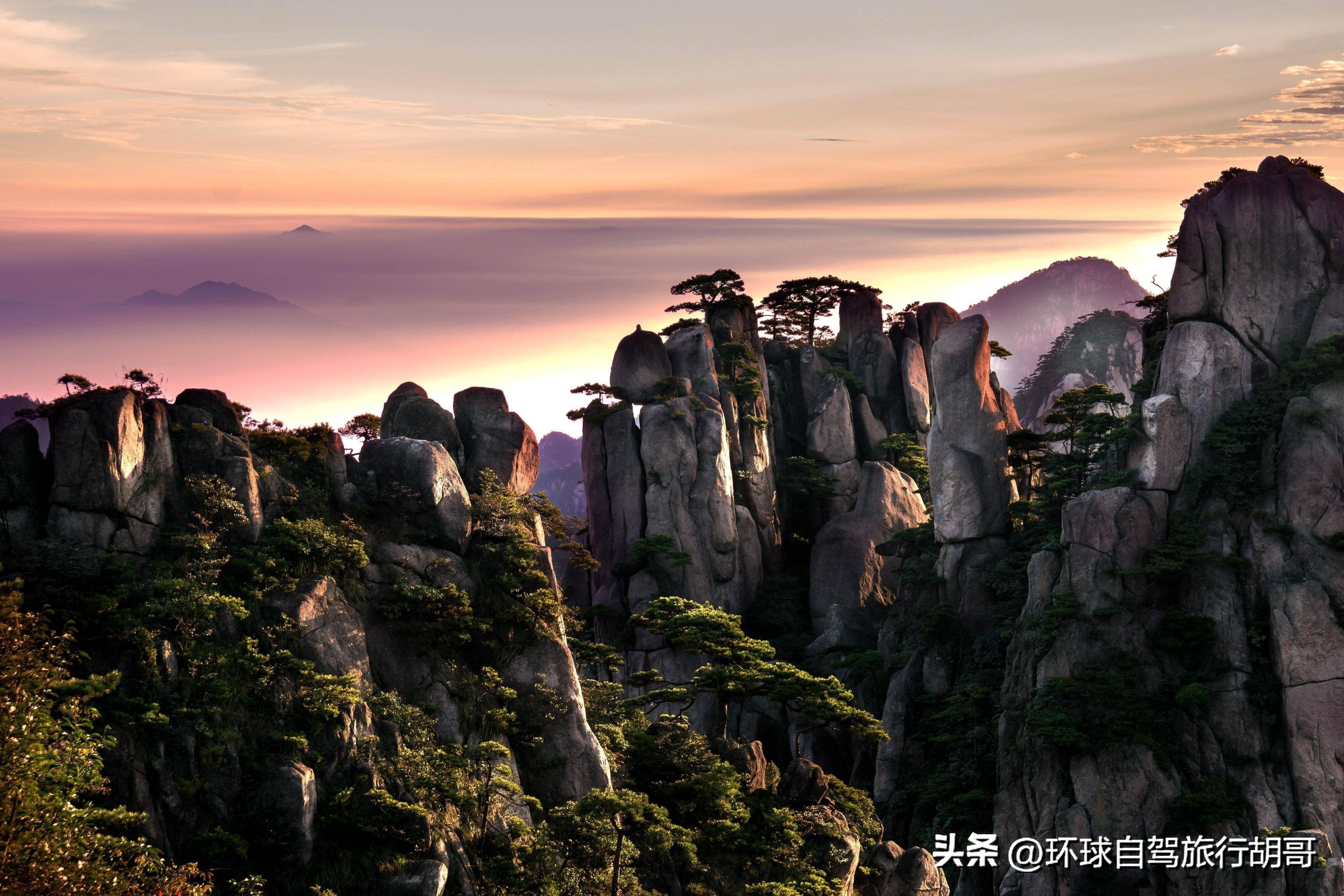
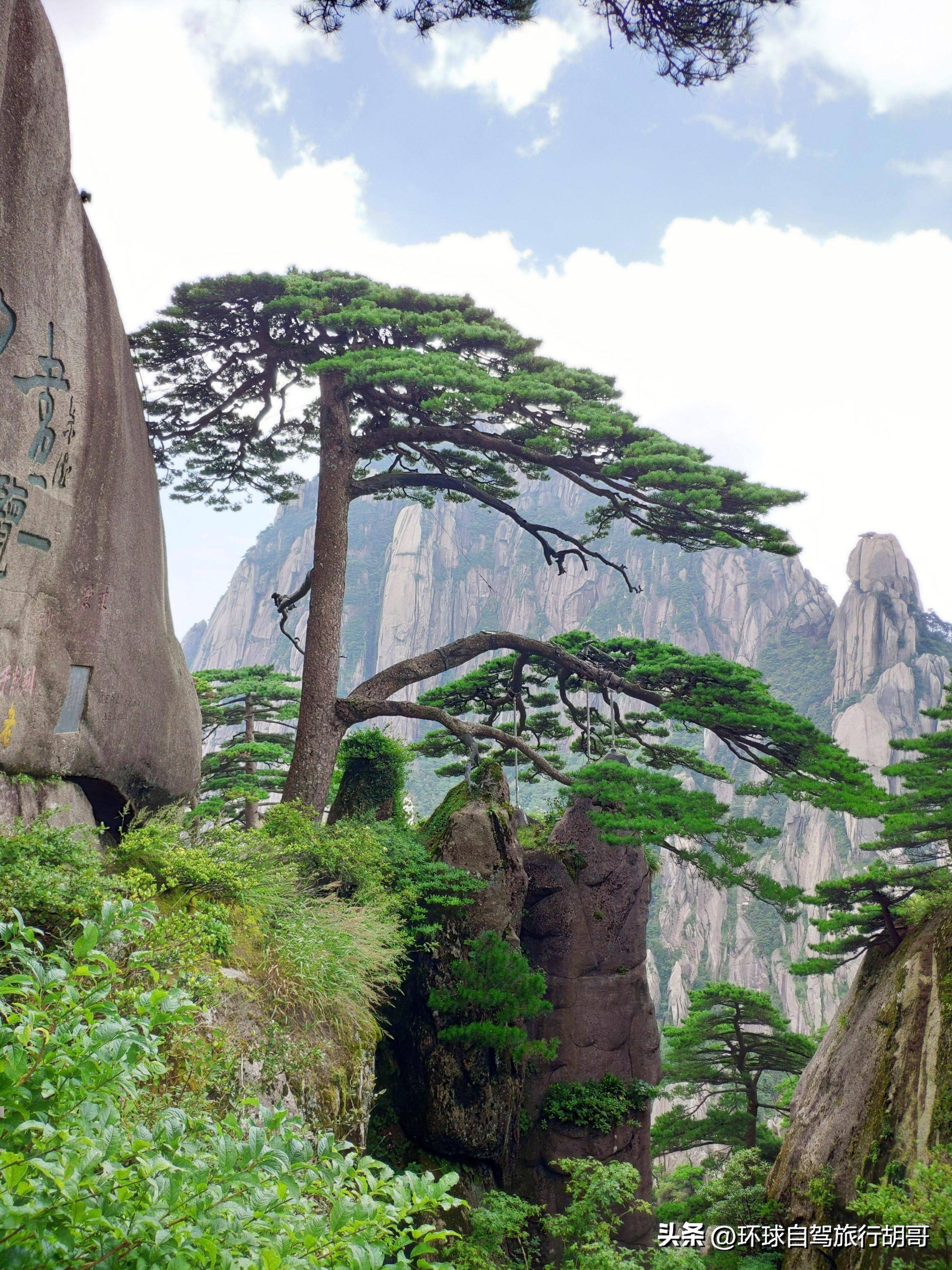
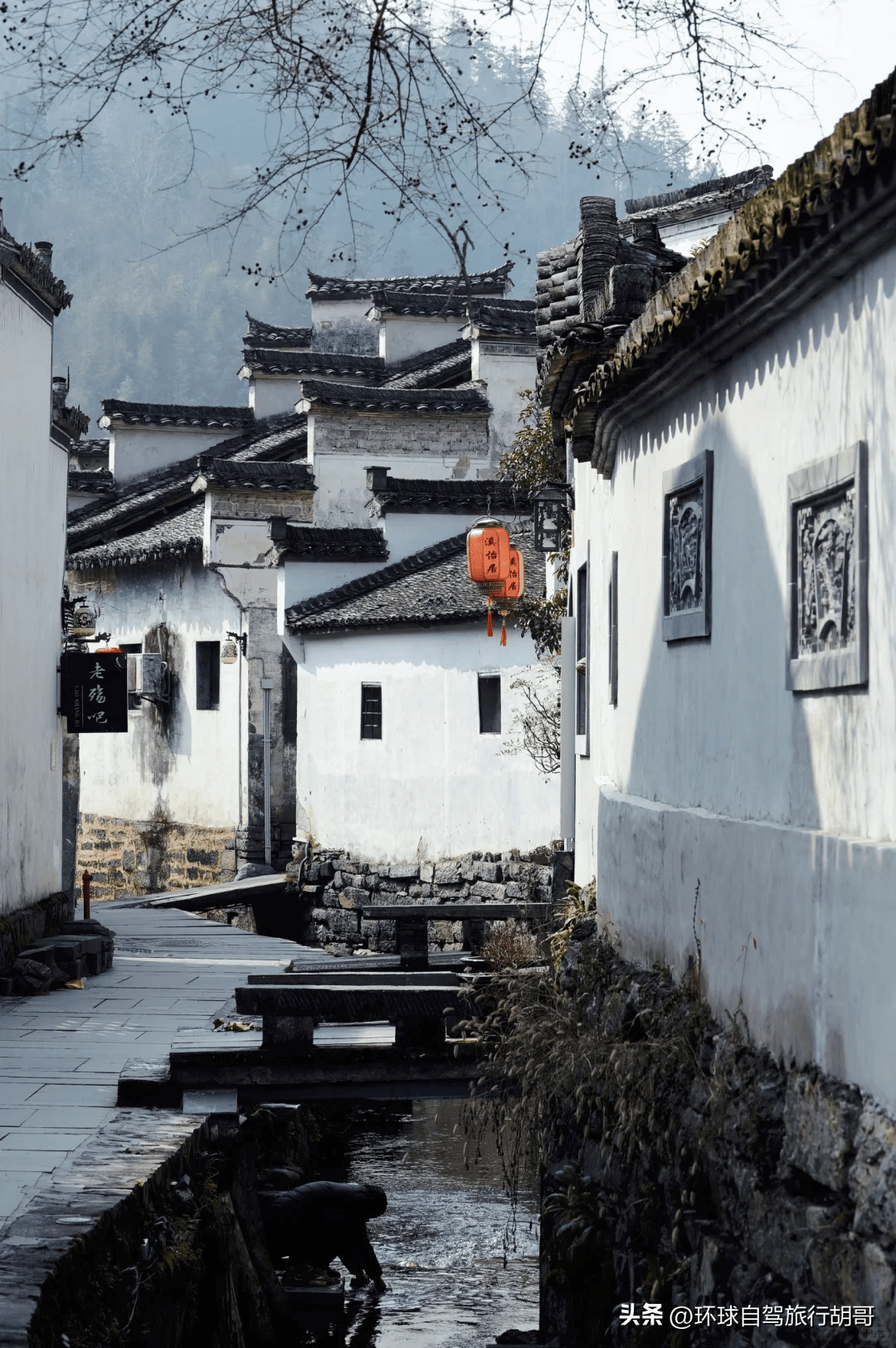
Hongcun, located on the southwest slope of Huangshan Mountain in Anhui Province, was first built during the Shaoxing period of the Southern Song Dynasty and is a traditional village in my country.
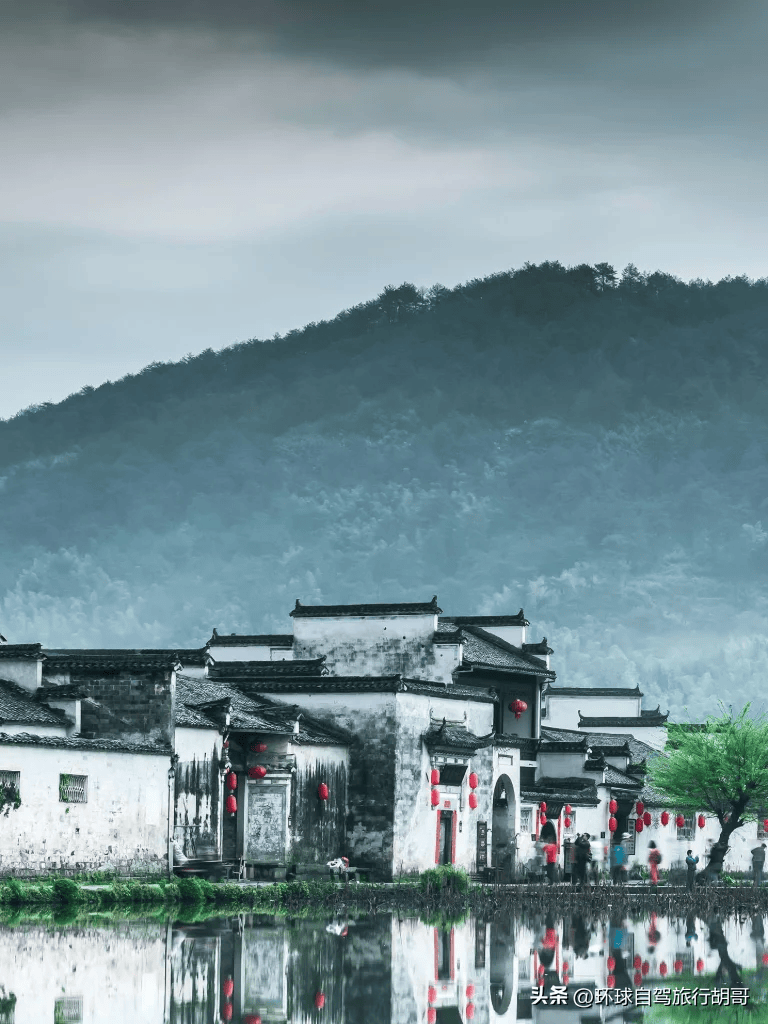
Hongcun is a "cow-shaped village," its terrain resembling a green ox lying diagonally by a stream in front of a mountain. The village retains the white walls and gray tiles, and bluestone streets typical of the Jiangnan region, evoking the imagery of "a misty rain dream of Huizhou, with its green bricks, gray tiles, and horse-head walls." Hongcun can be considered one of the most representative Huizhou-style villages in Jiangnan.
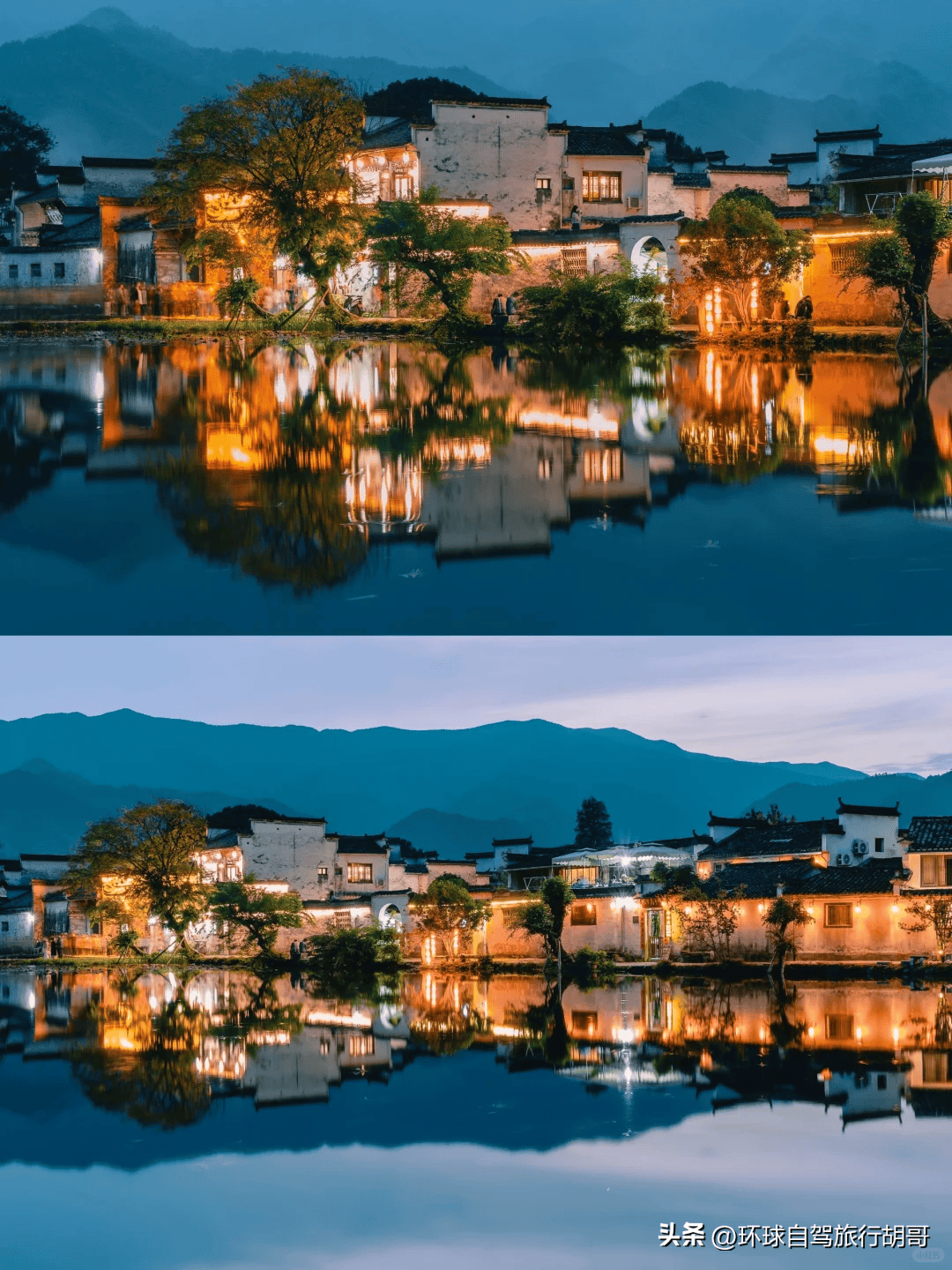
If Hongcun is a stunning ink painting, then Nanhu Lake is its crowning touch. Built during the Ming Dynasty, Nanhu Lake has a history of over 400 years.
Jiuhua Mountain, named after Li Bai's poem "The wondrous existence is divided into two energies, and the sacred mountain opens up to Jiuhua," is located in the southwest of Qingyang County, Chizhou City, Anhui Province. It is one of the first batch of national key scenic spots and a national 5A-level tourist area. It is known as one of the four famous Buddhist mountains in China, along with Wutai Mountain in Shanxi, Putuo Mountain in Zhejiang, and Emei Mountain in Sichuan.
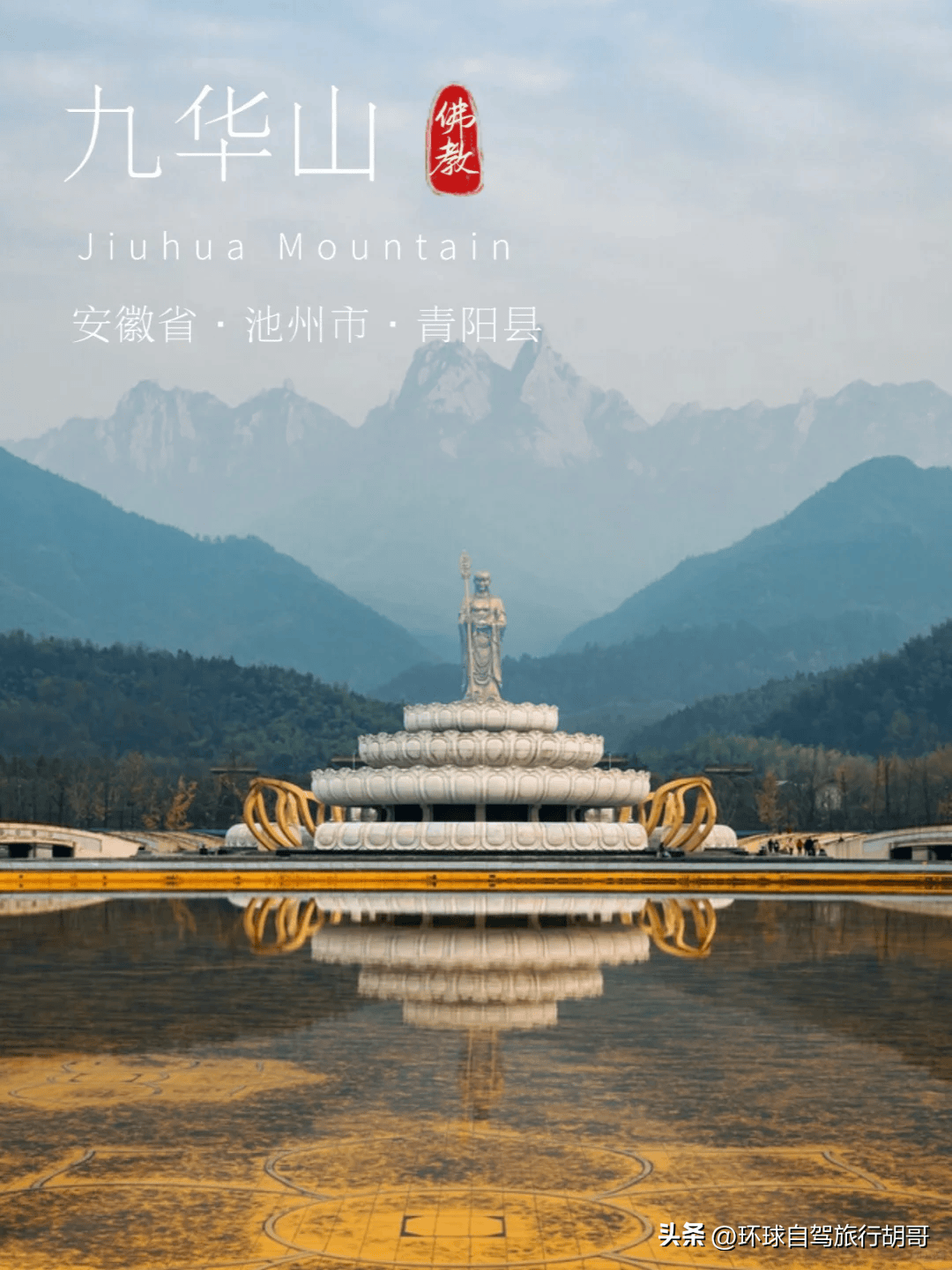
Jiuhua Mountain has always been famous throughout the world as the sacred site of Ksitigarbha Bodhisattva. Countless people travel to Jiuhua to worship Ksitigarbha Bodhisattva, thus the temple is constantly filled with incense smoke and is renowned throughout the world.
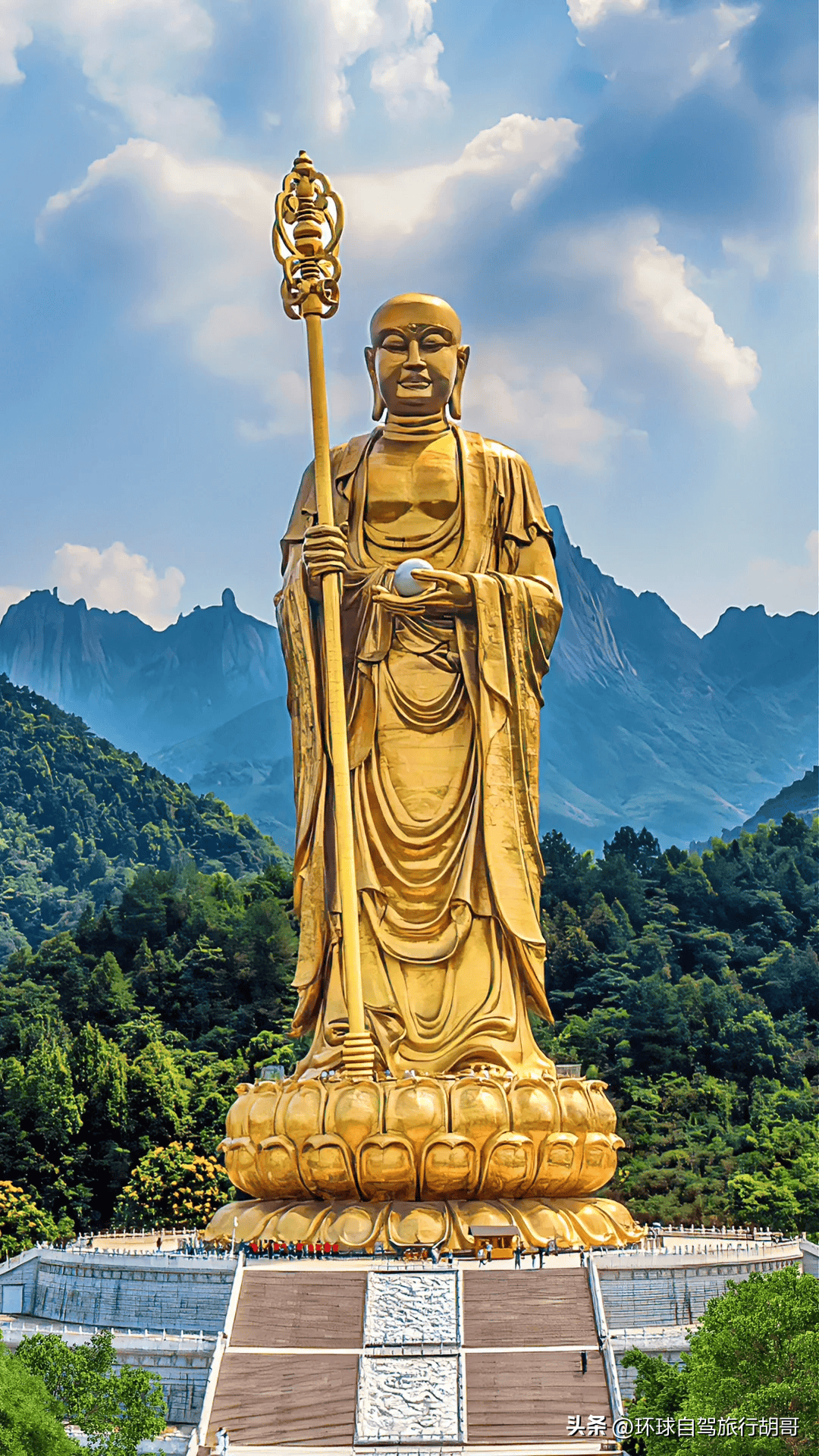
Jiuhua Mountain boasts beautiful scenery and numerous peaks, earning it the reputation of "Lotus Buddhist Kingdom." Countless literati and poets throughout history have left behind timeless verses here.
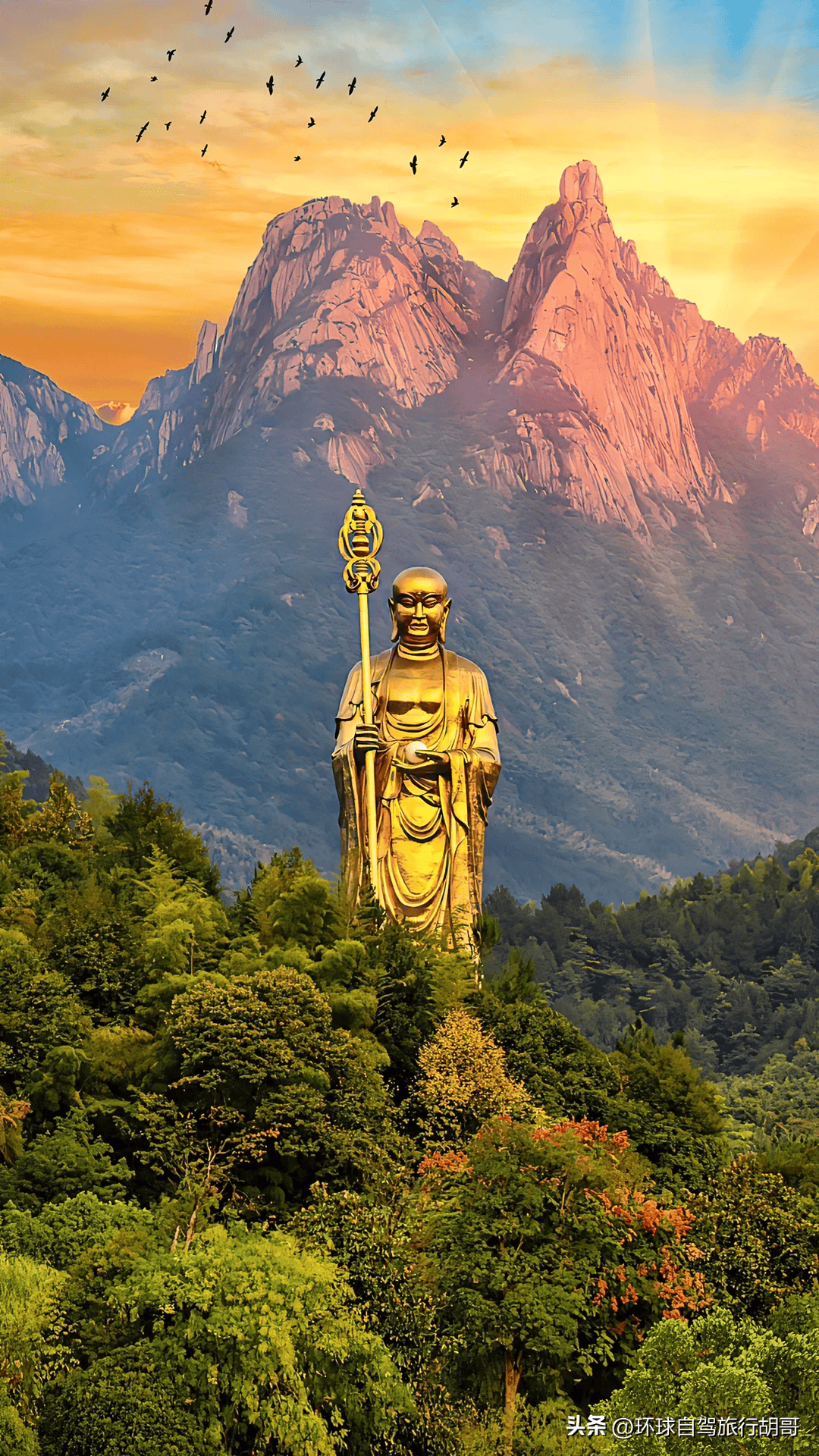
Taiji Cave, located in Xinhang Town, Guangde City, Xuancheng, is named for the patterns on its surface that resemble the Taiji symbol.
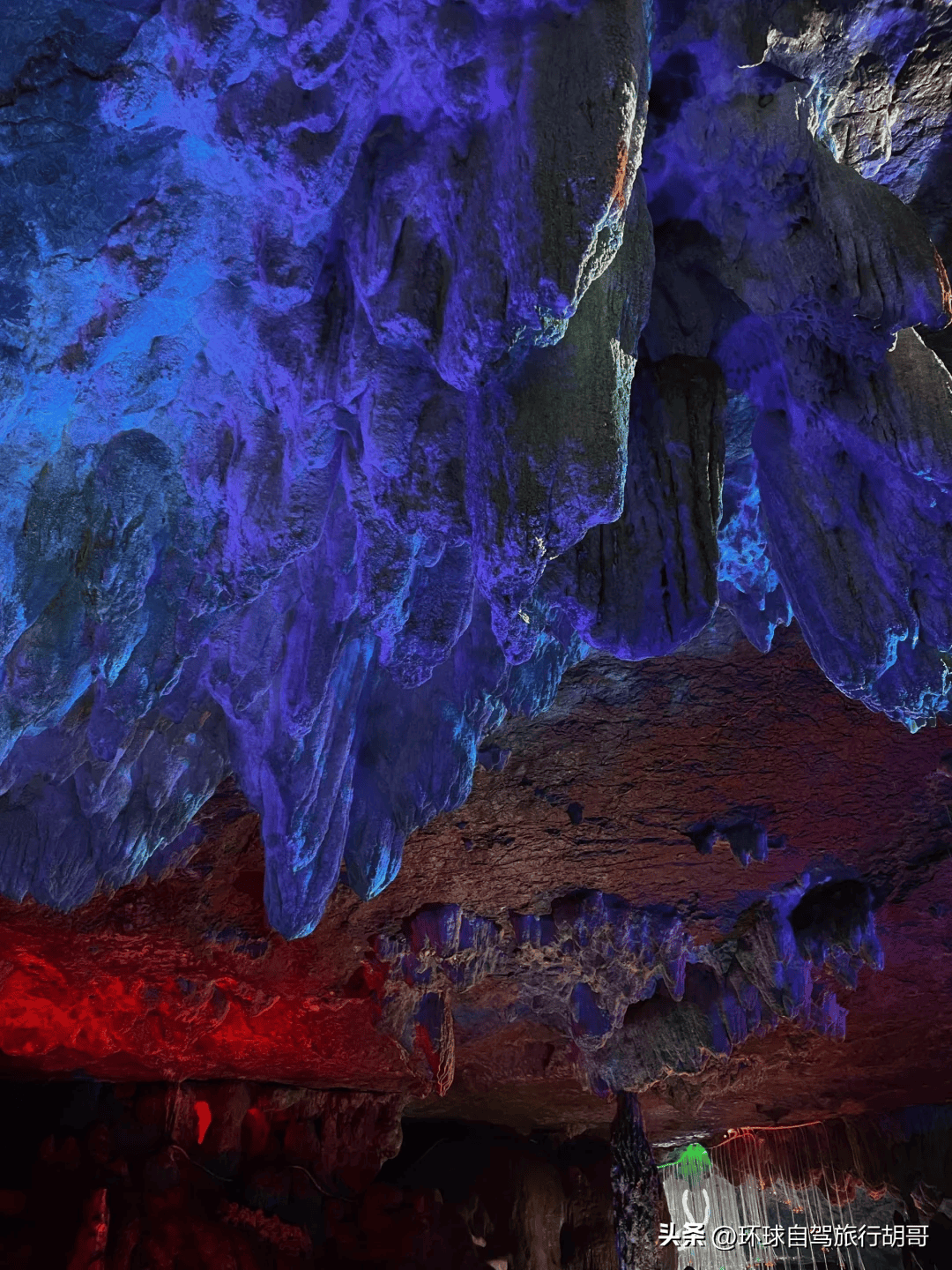
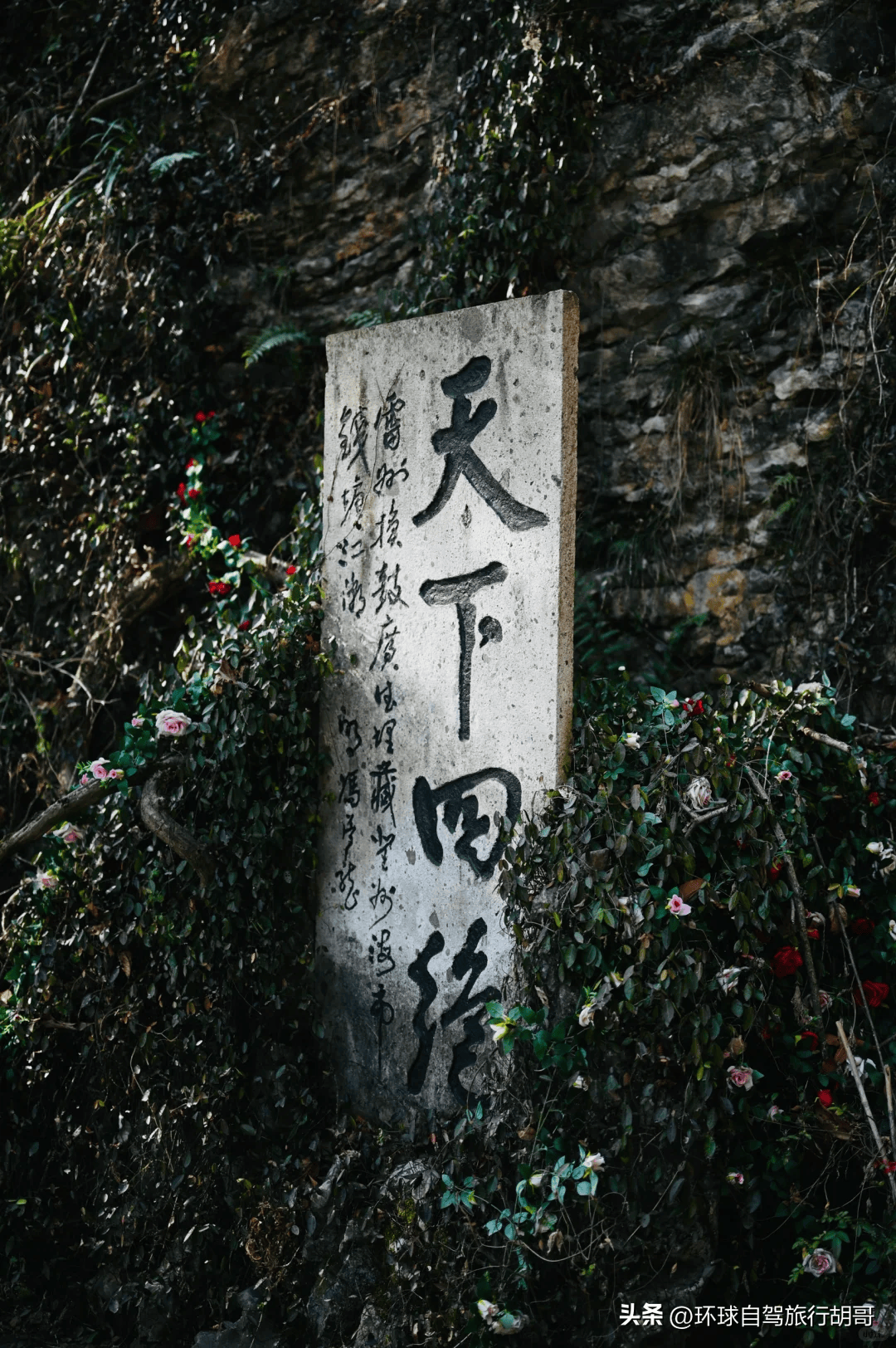
This karst cave located in Anhui Province is known as the Taiji Cave and is hailed as the "Number One Cave in Southeast China". The great Ming Dynasty writer Feng Menglong praised Taiji Cave as one of the "Four Wonders of the World".
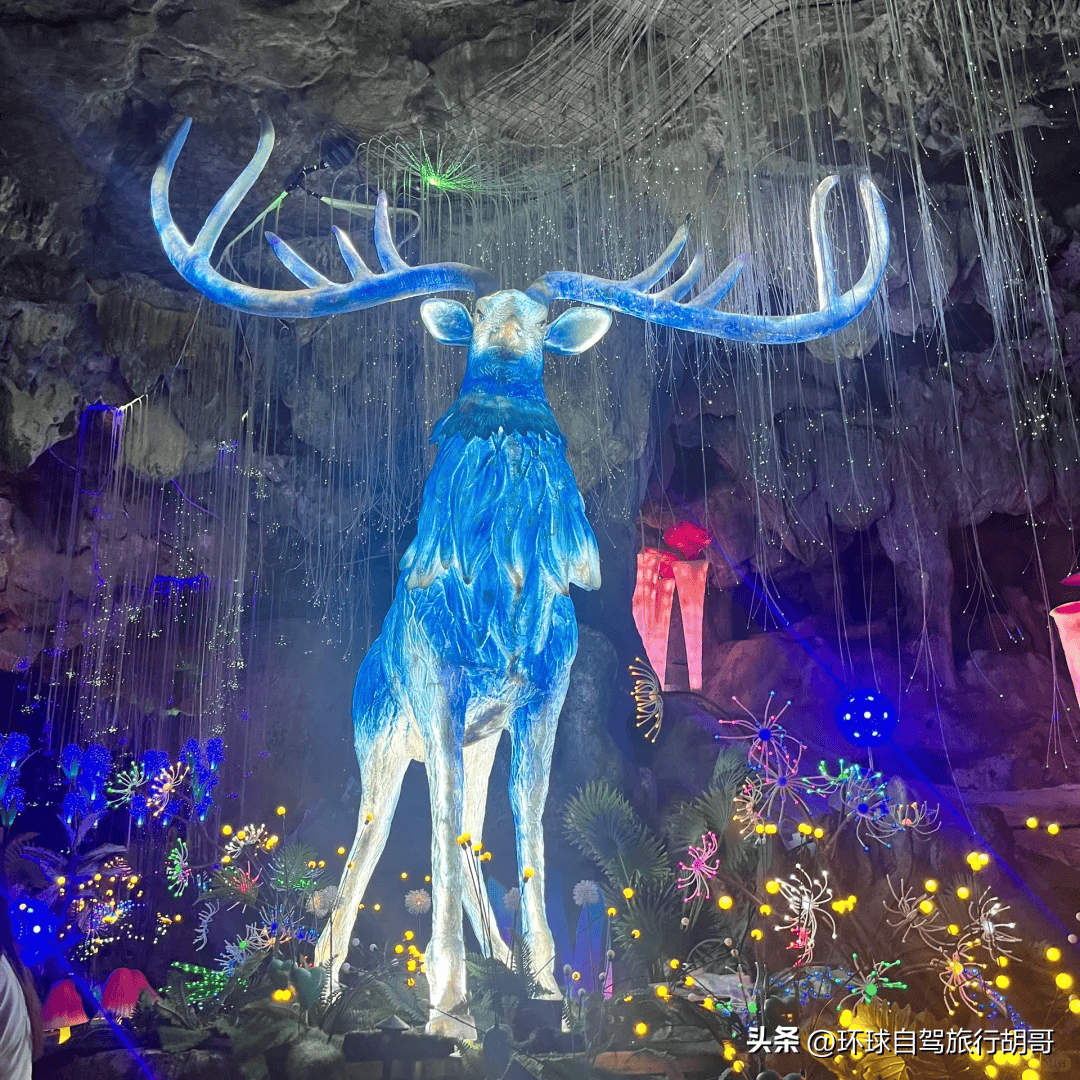
This is a summer retreat in the sweltering heat. Inside the cave, you can enjoy the cool 18°C of summer in Guangde. The cave is very refreshing and has many strange rock formations, such as water dripping through stone and upside-down lingzhi mushrooms, which are very interesting.
Sanhe Ancient Town, formerly known as Quezhu, is located at the southern end of Feixi County, Hefei City, Anhui Province. It has a history of more than 2,500 years and is an important commodity distribution center on the west bank of Chaohu Lake and the eastern foothills of Dabie Mountain. It is known as "Sanhe, where you can buy endless goods, and the commodity corridor in central Anhui". This ancient town, with a history spanning over a thousand years, preserves a large number of ancient buildings from the late Qing Dynasty and the Republic of China period. Everywhere you look, you can see Hui-style architecture with its "blue bricks, white tiles, and wharf walls," bearing witness to the traces of history. Strolling along the old streets of Huizhou is like stepping through a time tunnel, returning to the prosperous and glorious ancient times.
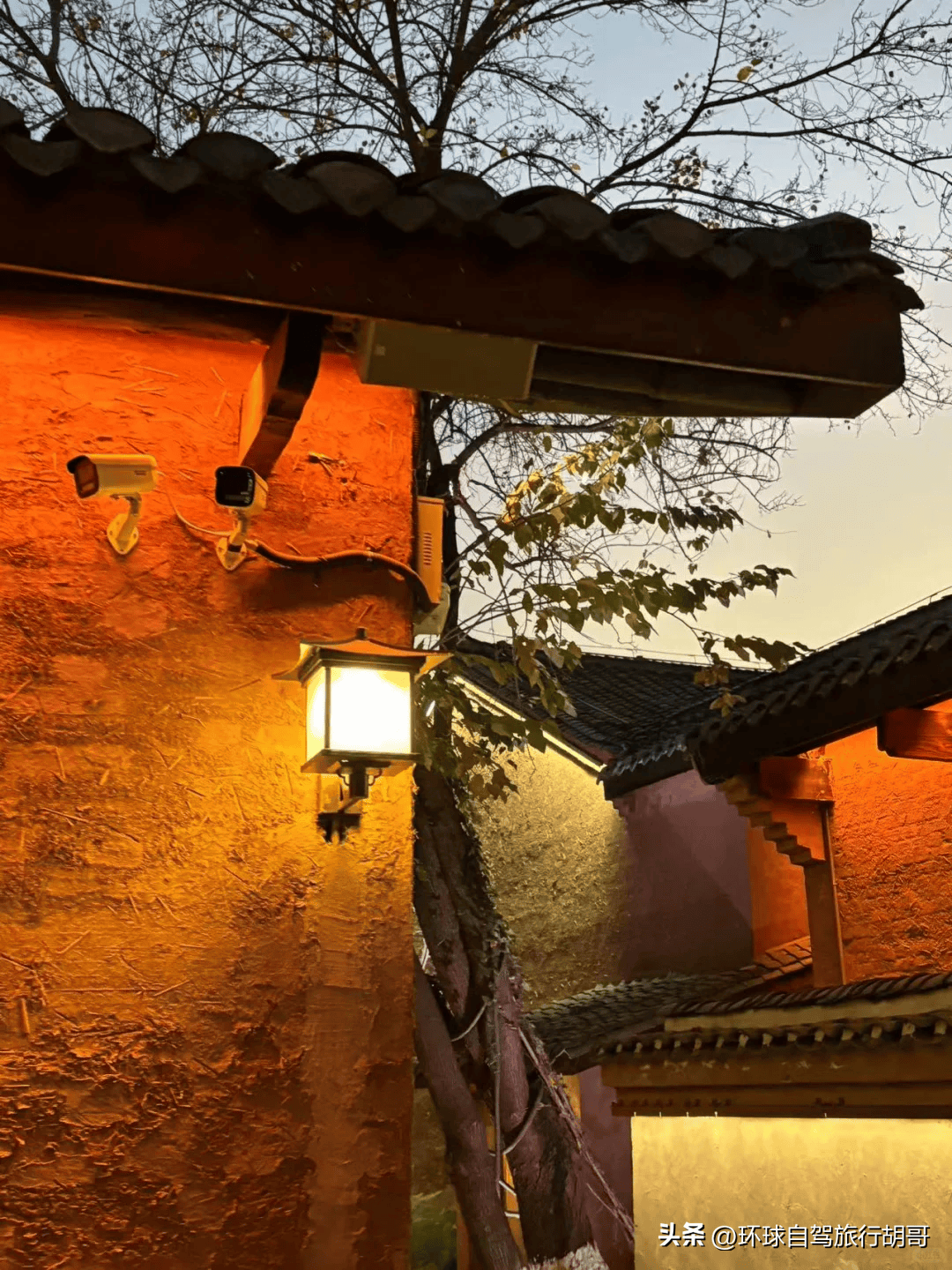
Caishiji, also known as "Caishiqi", is one of the three rocky outcrops along the Yangtze River. Located in Ma'anshan, Anhui Province, it is a 5A-level national tourist attraction.
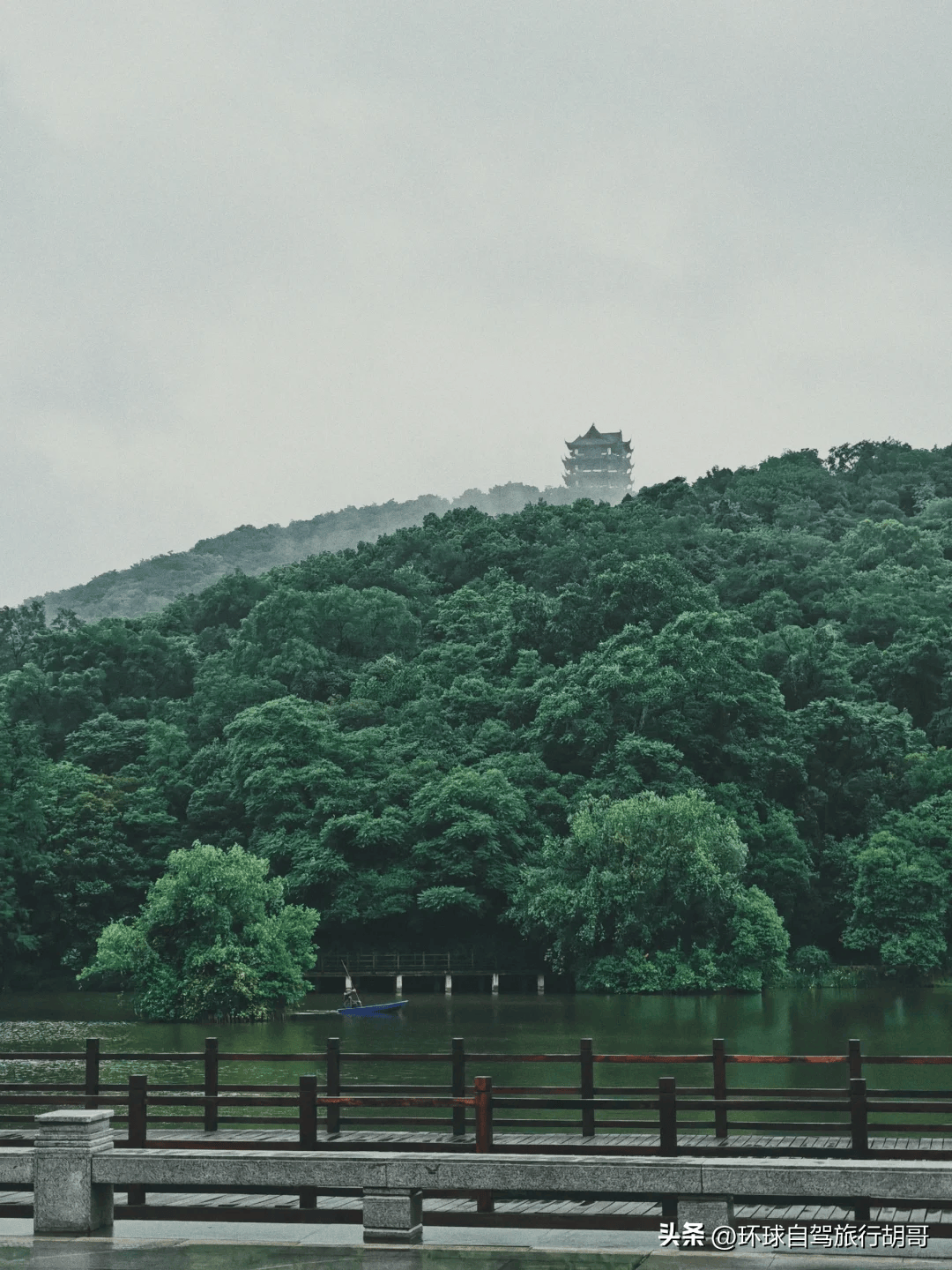
“At night on the west bank of the Niuzhu River, the blue sky is cloudless. I board the boat and gaze at the autumn moon, only to recall General Xie. I too can sing aloud, but such a man can no longer hear it. Tomorrow I will hoist the sails, as maple leaves fall in profusion.” Li Bai’s poem “Night Mooring at Niuzhu, Reminiscing about the Past” captures the poetic soul of Caishiji and also reveals the Yangtze River in Li Bai’s heart, a place known as “a place of unparalleled beauty throughout the ages.”
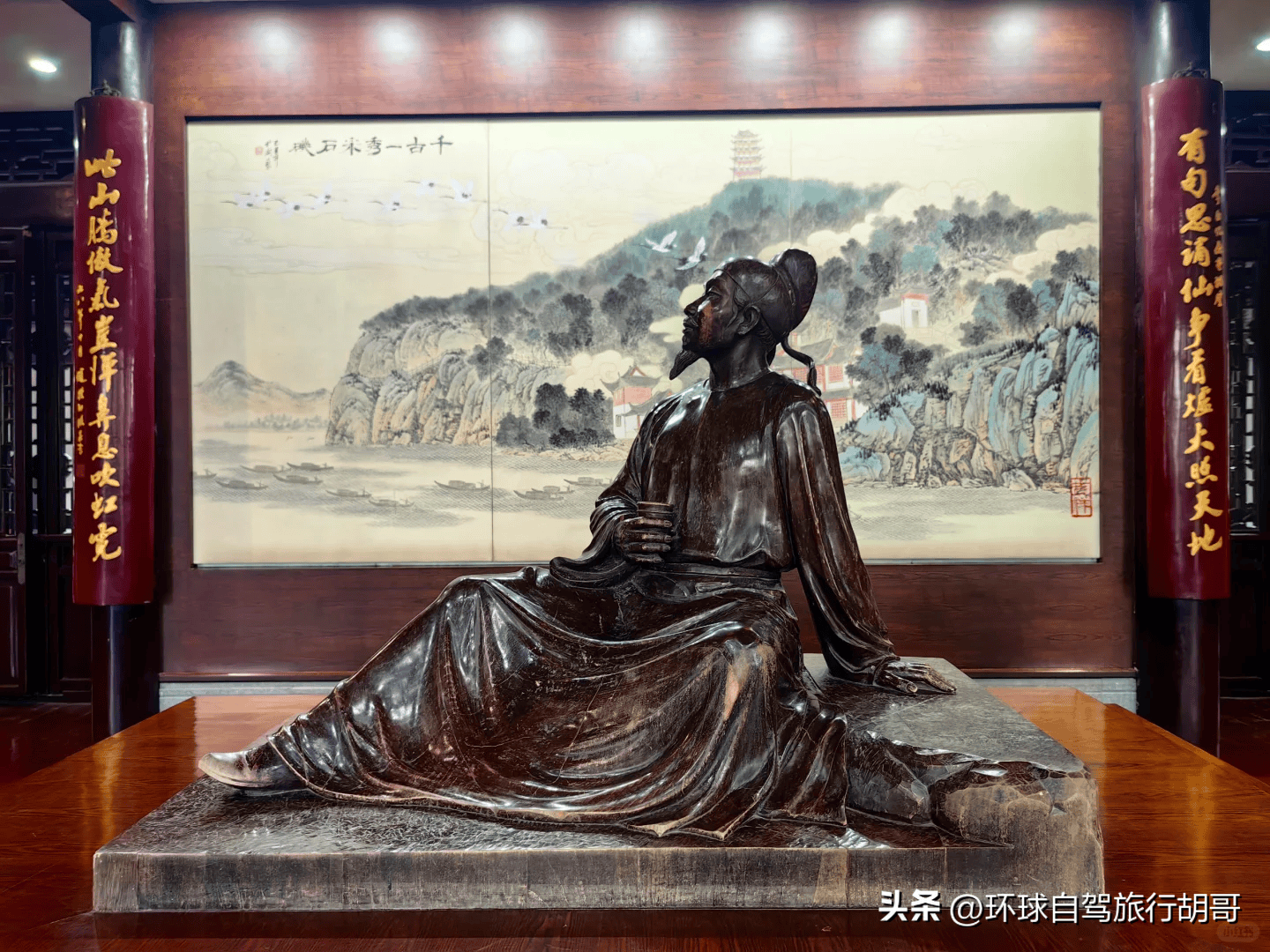
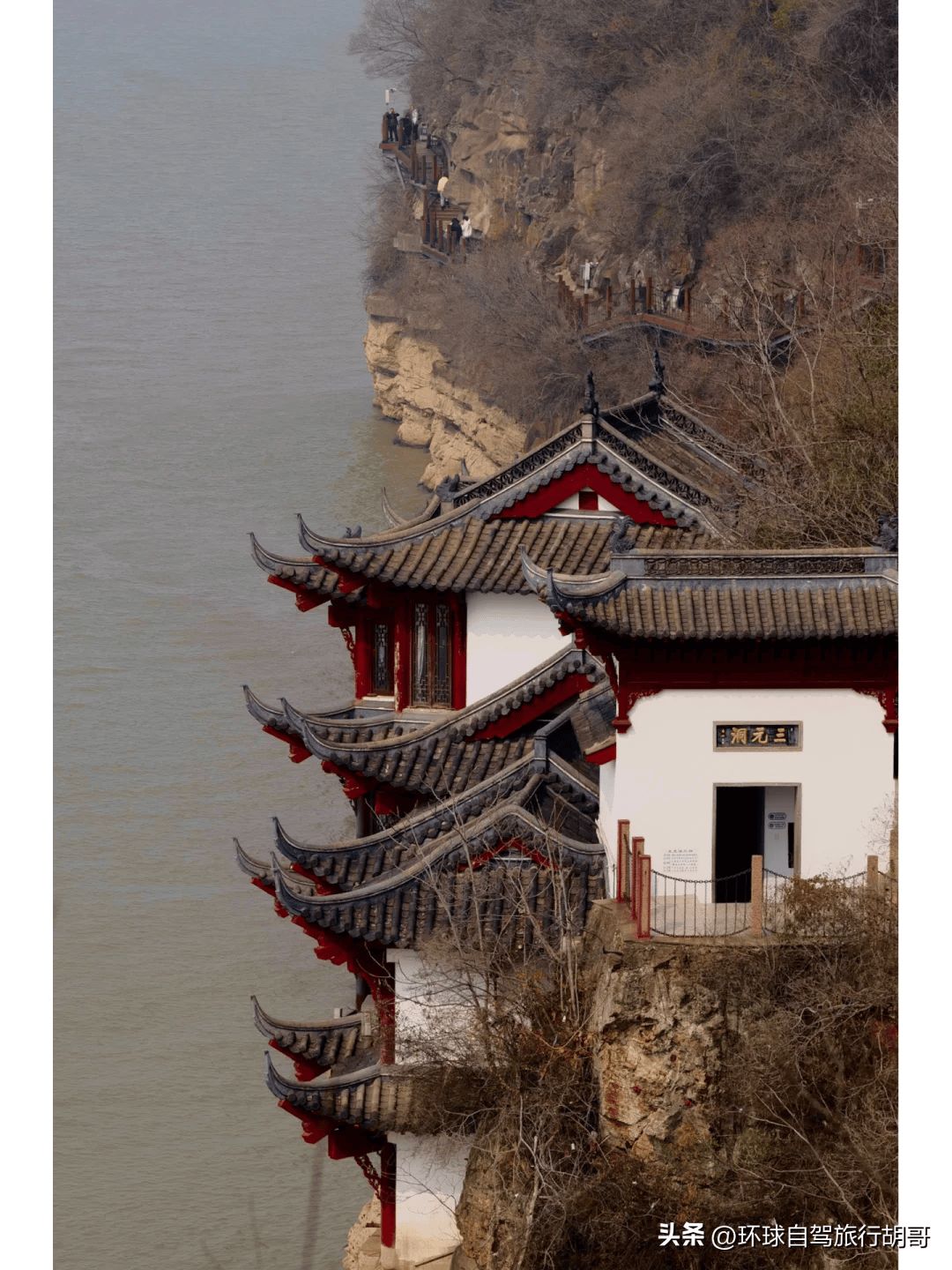
This is the place where Li Bai passed away, and also the place where Sun Shangxiang is worshipped. It is a place with a rich cultural history.
Wanfo Lake, located in Wanfo Lake Town, Shucheng County, Lu'an City, Anhui Province, is famous for its unique lake and mountain scenery.
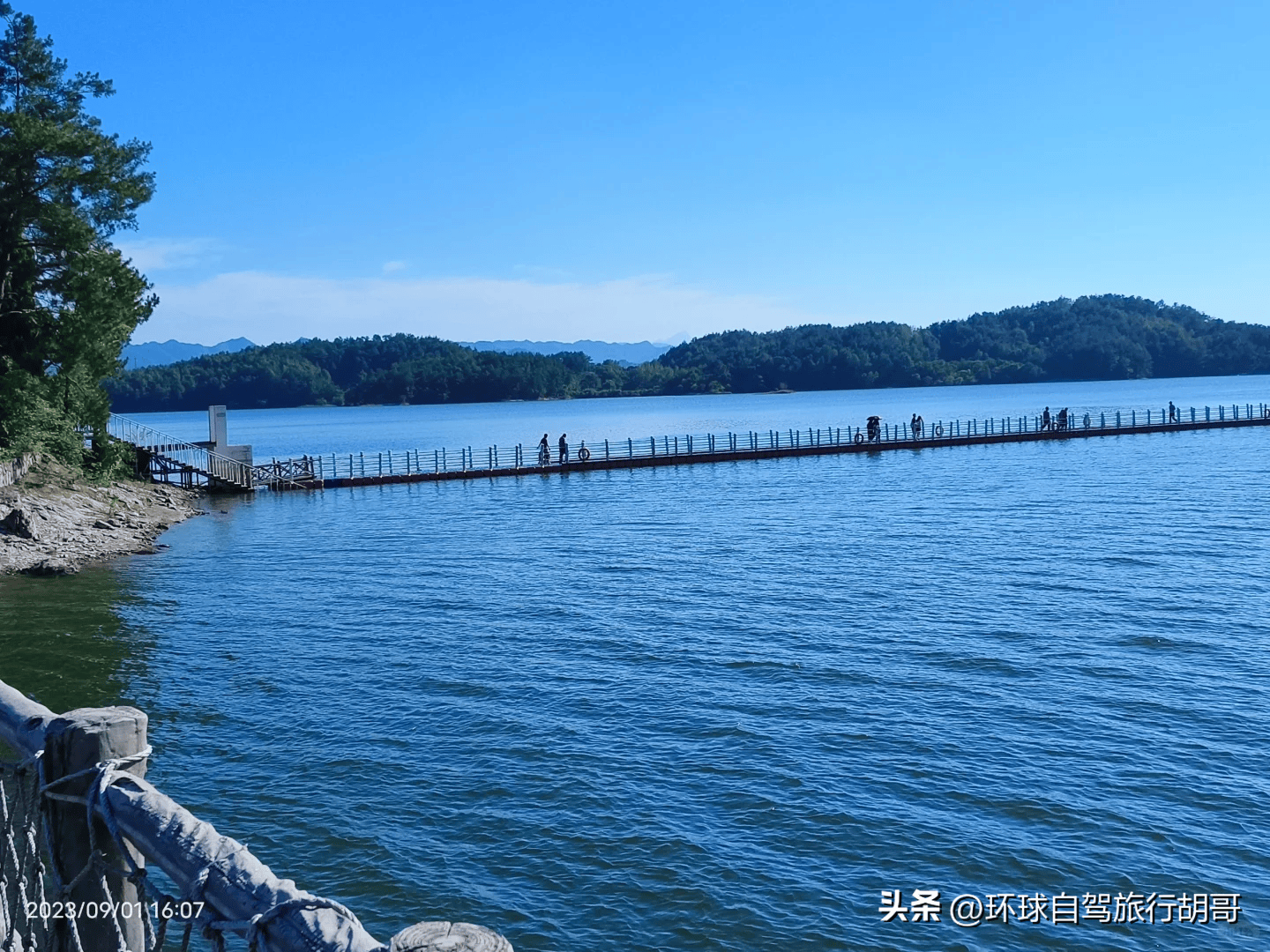
Wanfo Lake is known for its spectacular and wondrous "Buddhas worshipping Guanyin" scene, formed by the giant Guanyin rock on the lakeshore and 66 islands in the lake. It integrates mountains, water, springs, islands, and rocks, and is known as the Thousand Island Lake of Anhui Province due to its numerous islands.
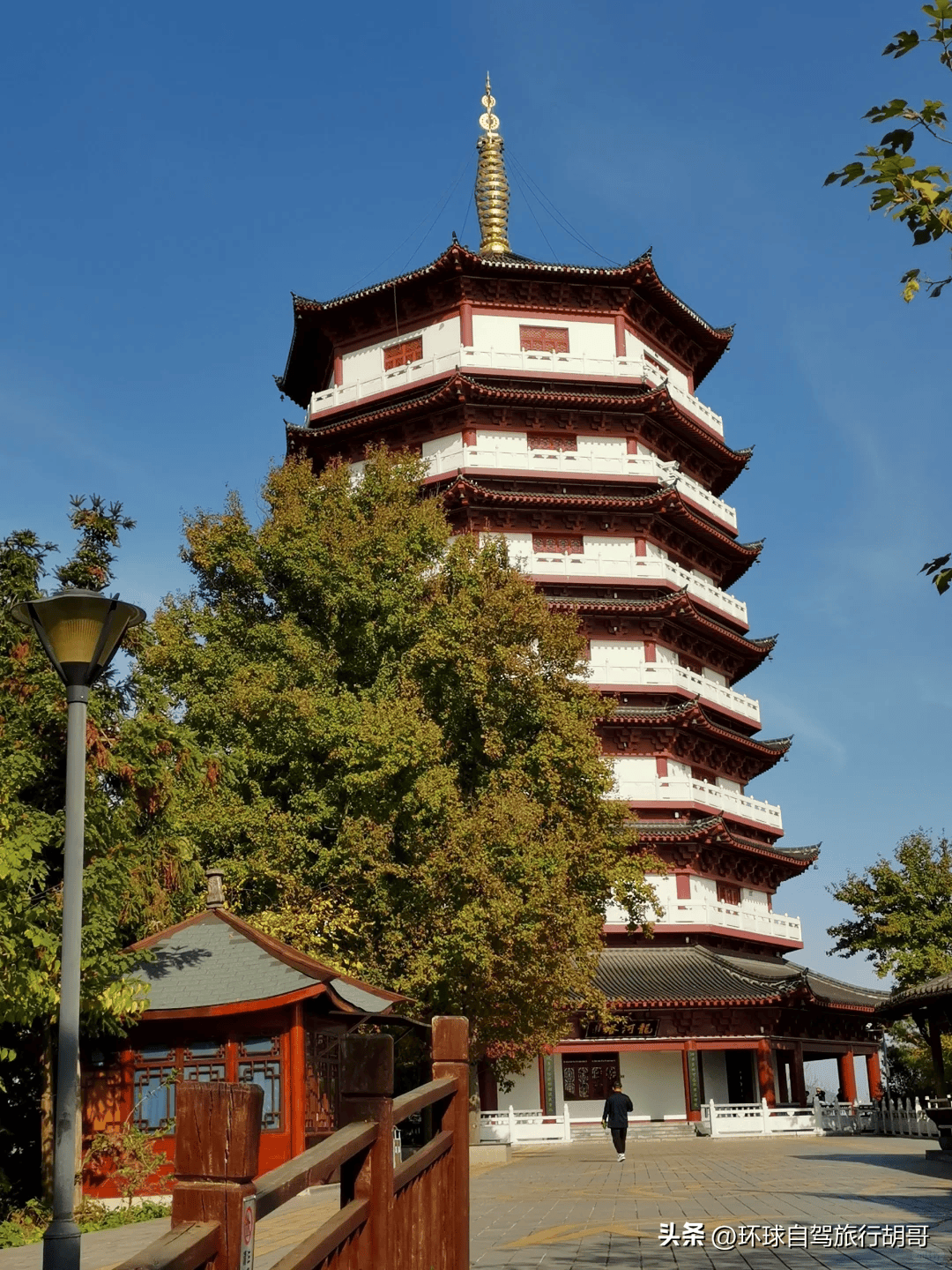
Tianzhushan, also known as Qianshan or Wanshan, is located in the western part of Qianshan City, Anqing City, Anhui Province.
This mountainous region boasts the only ultra-high-pressure metamorphic belt in China and the largest and deepest exposed area globally, earning it the reputation of being the most beautiful granite landform in the world, and also known as "the Earth's revealer." In Anhui, everyone knows Huangshan, but the scenery of Tianzhushan is equally impressive, ranking alongside Huangshan and Jiuhuashan as one of Anhui's three most famous mountains. 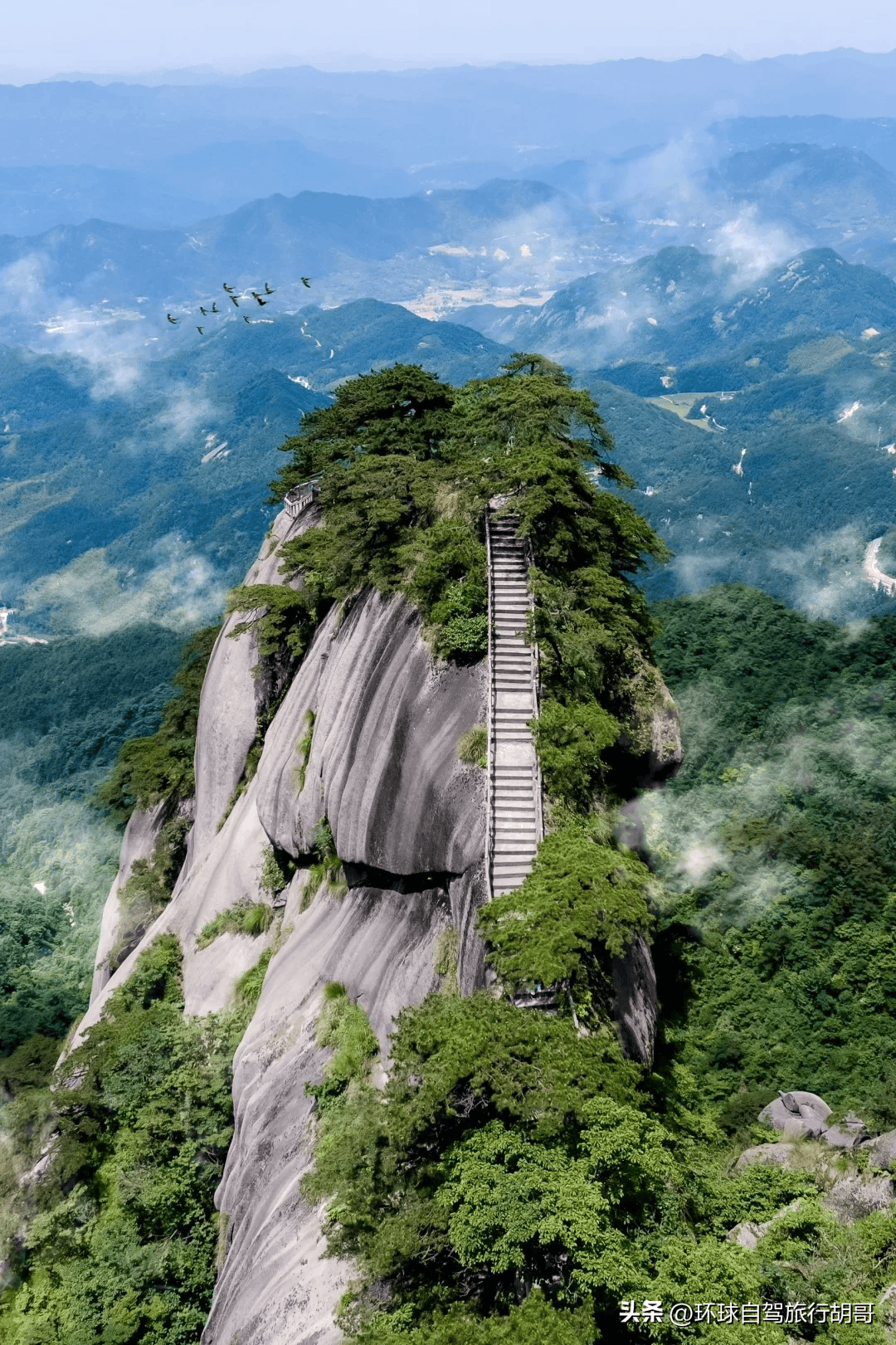
“A pillar reaching to the sky, a realm of creation; after a swift snowfall, the sun shines over Mount Wan.” Poets such as Li Bai left their mark here, and Bai Juyi also praised it as “A single peak of heavenly pillar holds up the sun and moon; a thousand-foot cave entrance locks in clouds and thunder.” In the eastern part of China, there lies an ancient and magical land. Using mountains and rivers as its canvas and history as its ink, it has painted a breathtaking ink-wash painting. This is Anhui Province, and you must visit the stunning Huizhou region!
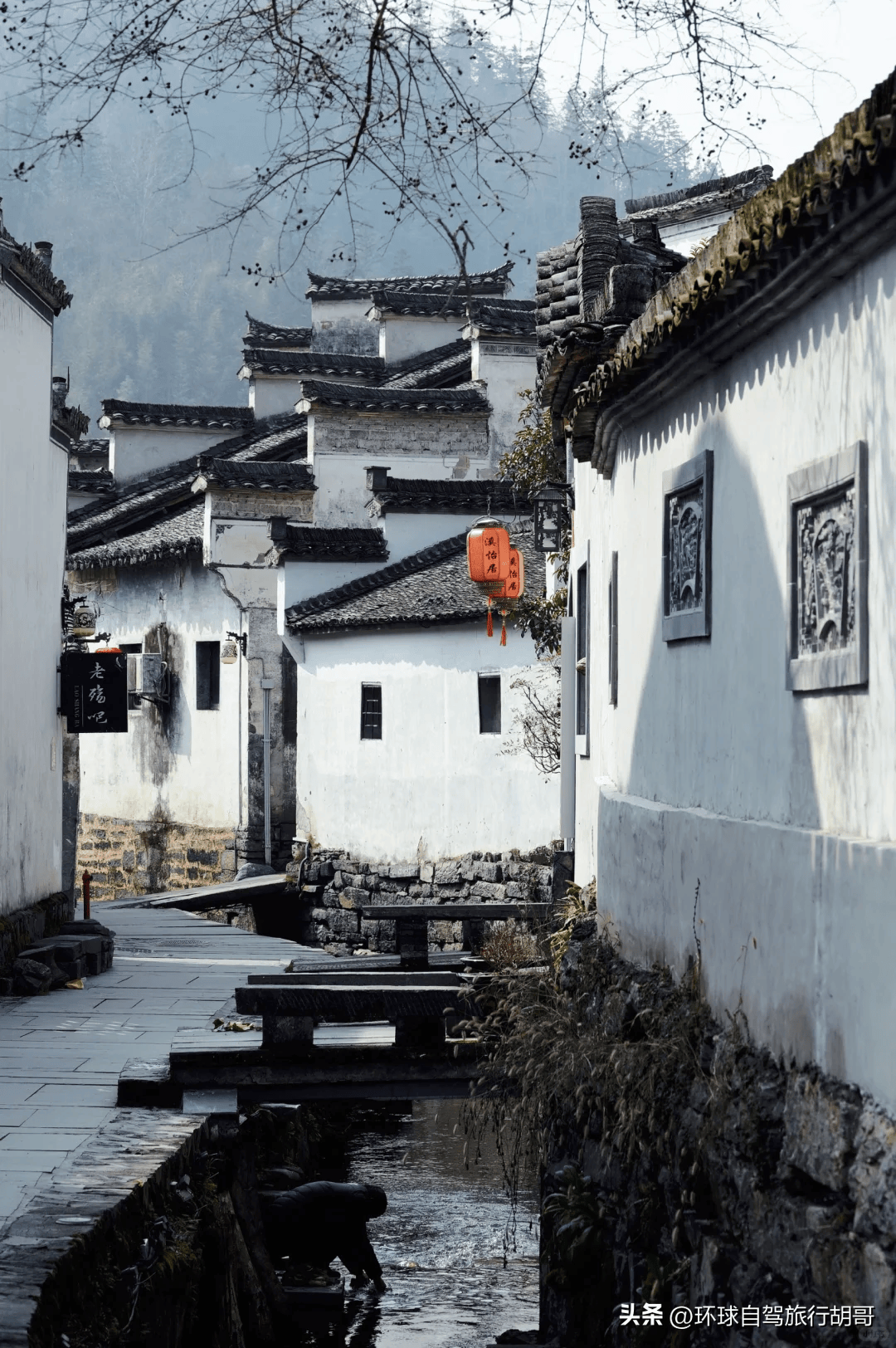
Huangshan has many attractions. If you have ample time, you can choose a three-day tour, starting from Yungusi Temple and visiting scenic spots such as Beihai, Xihai, and Yuping, enjoying the sunrise, sunset, and sea of clouds, and experiencing the comfortable service of hot spring hotels. If you are short on time, you can choose a two-day tour, starting from Ciguang Pavilion and visiting attractions such as Bai'e Ridge, Shixin Peak, and Guangming Peak, experiencing the wonderful changes of Huangshan. Regardless of the route, you can appreciate the charm of Huangshan.
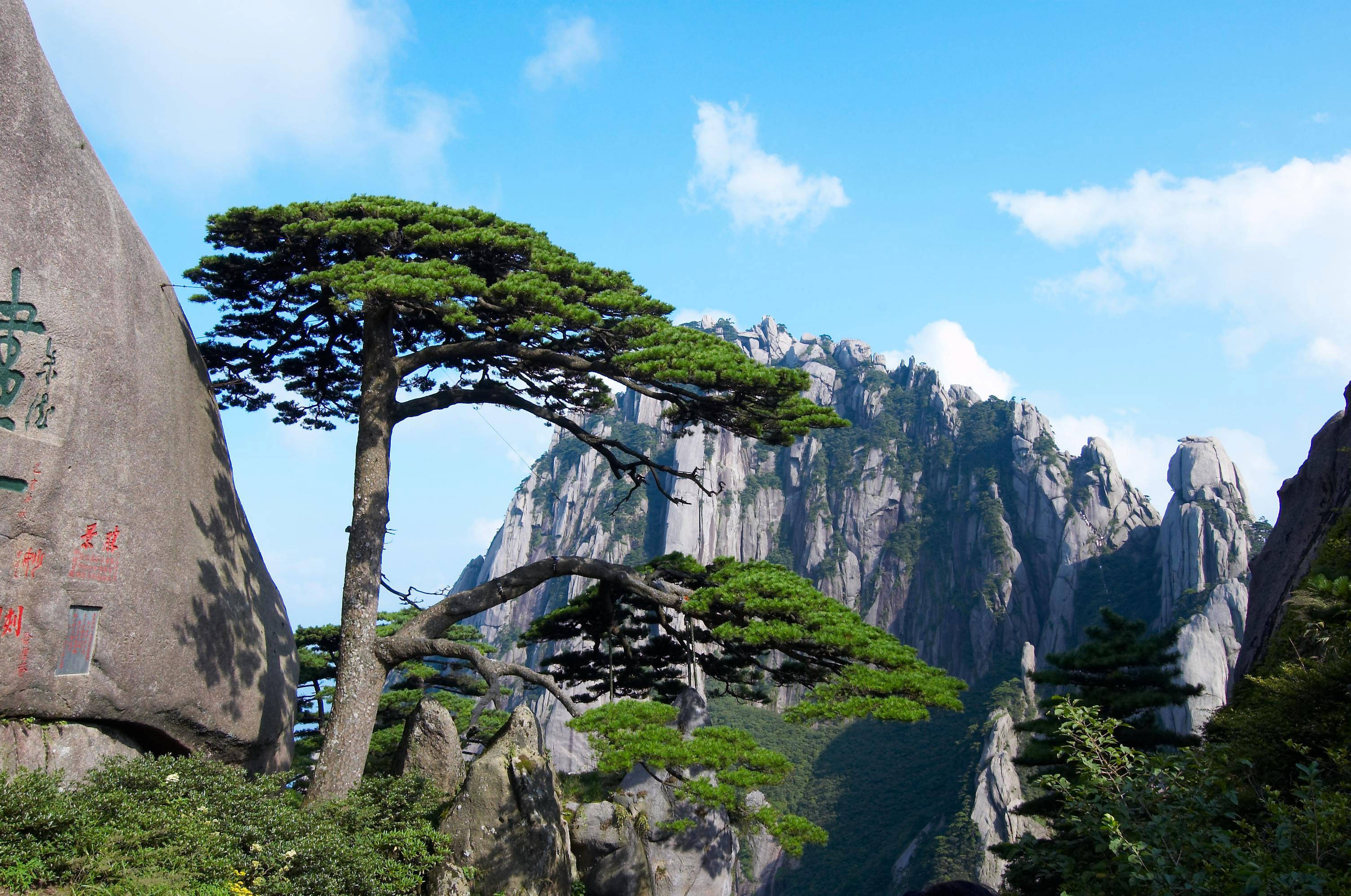 Huangshan
The second place is Jiuhua Mountain Scenic Area. Jiuhua Mountain is one of the four sacred Buddhist mountains in China, and also a famous Taoist mountain. Jiuhua Mountain has 99 temples and thousands of Buddha statues, making it a holy site for Buddhist pilgrims. The natural scenery of Jiuhua Mountain is also very beautiful, with nine main peaks and 108 smaller peaks, with overlapping peaks and swirling clouds and mist. Jiuhua Mountain also has many unique attractions, such as the Hall of the Fleshly Body, Jiuhua Street, and the Great King Cave, which make people linger. There are two ways to explore Jiuhua Mountain: hiking or taking the cable car. Hiking allows you to better appreciate the natural scenery and cultural atmosphere of Jiuhua Mountain, but it requires a certain level of physical strength and endurance. Taking the cable car saves time and energy, but you will miss some of the scenery along the way. Regardless of the method, safety and environmental protection should be prioritized. The best time to visit Jiuhua Mountain is spring and autumn, when the weather is pleasant and the flowers and plants are lush. The third place is Tianzhu Mountain National Geopark. Tianzhu Mountain, known as the "First Mountain of the Jianghuai Region," is named for its main peak, which resembles a pillar reaching to the sky. Its geological formations are unique, featuring granite peaks, karst caves, waterfalls, lakes, and other diverse landscapes. Tianzhu Mountain also boasts abundant flora and fauna, as well as historical and cultural relics, such as cliff inscriptions by literati like Li Bai, Bai Juyi, and Su Shi, and sites like Zongguanzhai and the Mysterious Valley. Tianzhu Mountain is a tourist destination that combines natural beauty with cultural charm. There are many attractions on Tianzhu Mountain, and you can plan your tour according to your interests and time. If you want to appreciate the magnificent scenery, you can choose the summit route, starting from Liandan Lake, passing through Mysterious Valley, Shimen Cave, Tianzhu Peak, and other attractions, reaching the 1770-meter-high Shigang (also known as Jiyubei). This is the only way to the summit and also the most dangerous part, with sheer cliffs on both sides, requiring careful movement while holding onto iron chains. If you want to experience the history and culture of Tianzhu Mountain, you can choose the cultural route, entering from the Zongguanzhai entrance and visiting cultural relics such as Zongguanzhai, Li Bai Temple, Bai Juyi Temple, and Su Shi Temple, to learn about the historical stories and anecdotes of Tianzhu Mountain's literati. Regardless of the route, please pay attention to safety and environmental protection. The best time to visit Tianzhu Mountain is spring and summer, when the weather is cool and the flowers and plants are lush. The fourth place is Taiping Lake. Taiping Lake is one of the largest freshwater lakes in China and one of the most beautiful lakes in Anhui Province. Taiping Lake boasts clear waters and verdant banks, dotted with hundreds of islands of varying sizes, creating a picturesque waterside paradise. Surrounding Taiping Lake are renowned mountains and rivers such as Huangshan and Jiuhua Mountain, offering breathtaking scenery. Taiping Lake also possesses abundant aquatic resources and rich folk culture, allowing visitors to savor delicious fish, shrimp, and crab, as well as distinctive farm-style cuisine, and experience the life of fishermen and folk arts. There are two ways to explore Taiping Lake: by boat or by car. A boat tour offers close-up views of the lake's scenery and islands, with options for different routes and boat types, such as a lake tour, island tours, speedboats, and pleasure boats. A self-driving tour allows for free exploration of the surrounding scenic spots and cultural attractions, with choices of routes and stops, such as Huangshan Scenic Area, Jiuhua Mountain Scenic Area, Oriental Myth Park, and Mulianghong. Regardless of the mode of transportation, safety and environmental protection should always be prioritized.
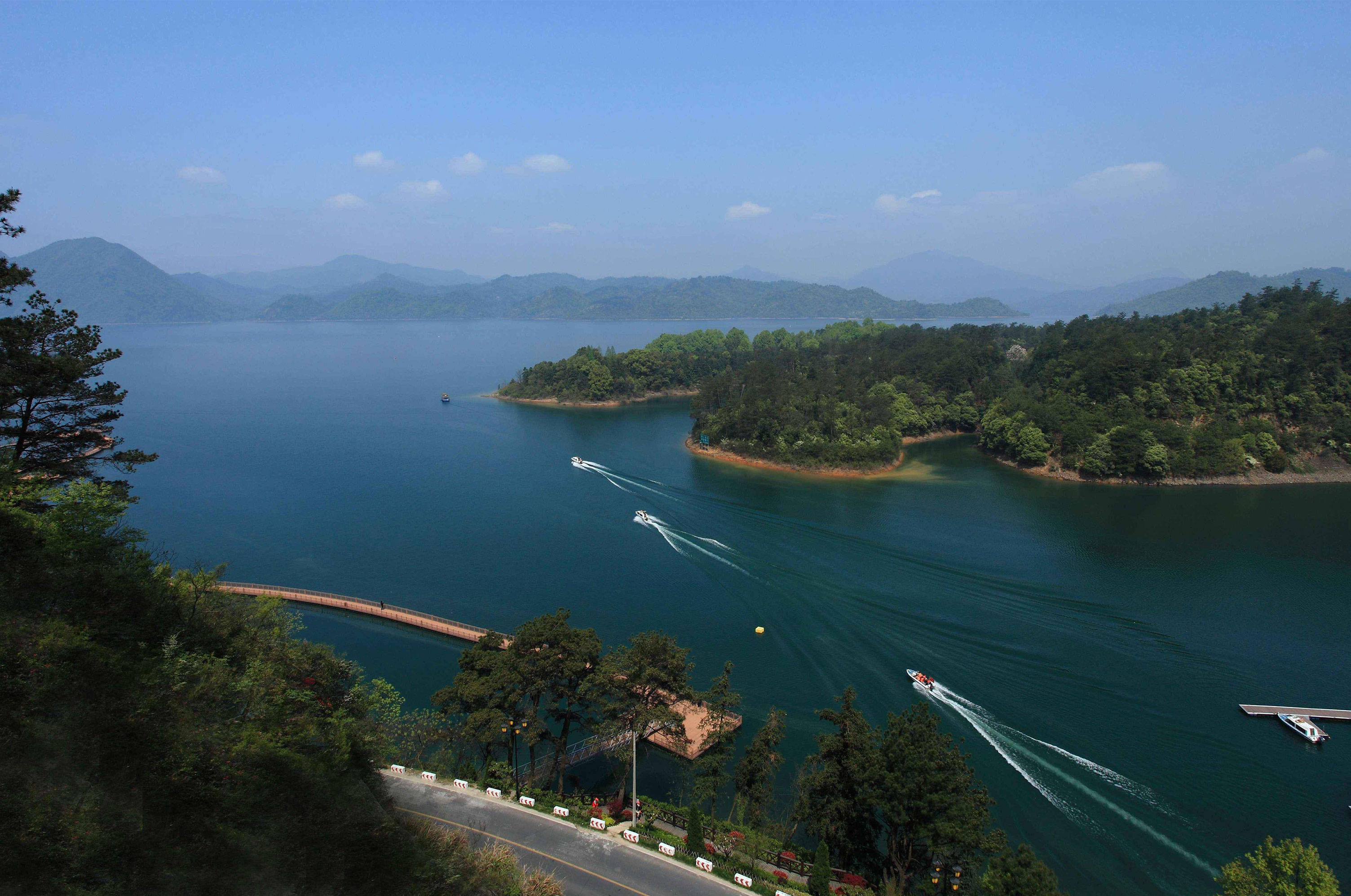 Taiping Lake
The fifth place is Huizhou Ancient City. Huizhou Ancient City is a cultural icon of Anhui Province, the birthplace and representative of Huizhou culture. With a long history and unique architectural style, Huizhou Ancient City is known as the "Museum of Chinese Folk Houses." The architecture of Huizhou Ancient City is characterized by white walls and black tiles, horse-head walls, and the "four waters converging in the hall" layout, full of simplicity and elegance. The ancient city of Huizhou also boasts numerous cultural figures and historical sites, such as the former residences of Huang Binhong, Cheng Yanqiu, and Hu Xueyan, as well as Qing Dynasty government offices, the Huizhou Prefectural School, and the Eight Great Passes. There are two ways to explore the ancient city of Huizhou: walking and cycling. Walking allows for a more detailed appreciation of the architectural details and cultural atmosphere, enabling visitors to enter various scenic spots and residences and experience the life and customs of the Huizhou people. Cycling offers a faster overview of the ancient city's scenery and allows for selection of different routes and types of vehicles, such as city loop tours, cross-country tours, bicycles, and electric bikes. Regardless of the method, safety and environmental protection should be prioritized. The best time to visit the ancient city of Huizhou is during spring and autumn, when the weather is pleasant and the scenery is beautiful.
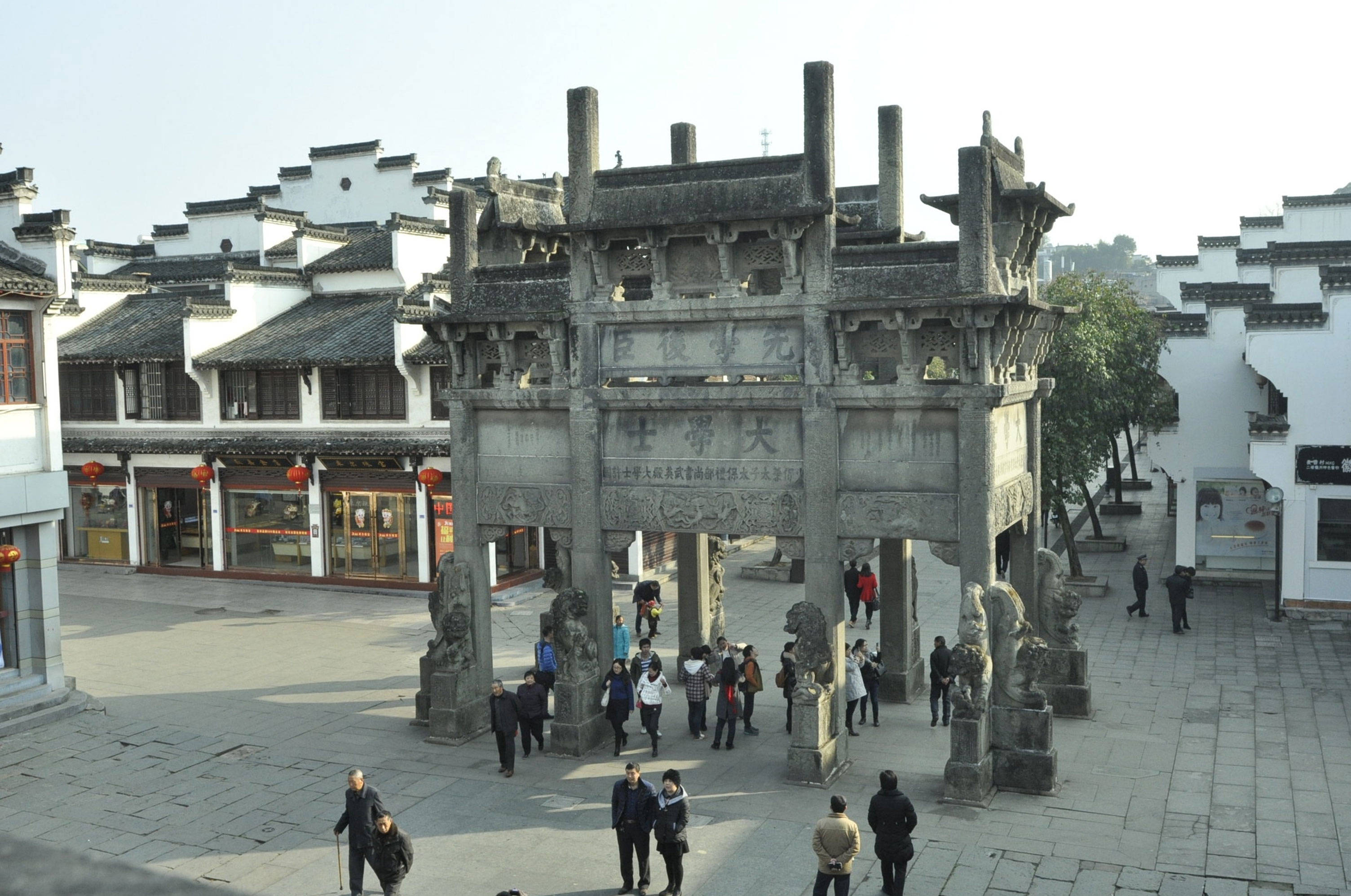 Huizhou Ancient City