
Tourism, China, ShanDong
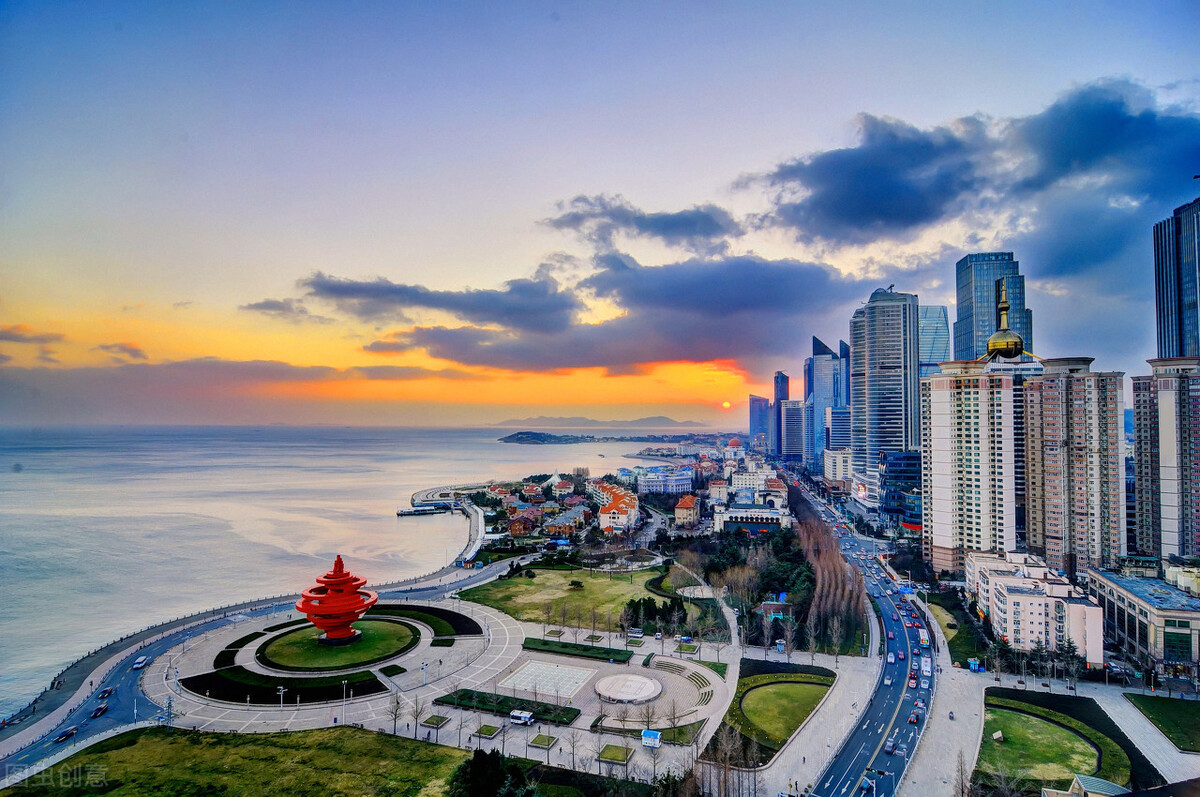
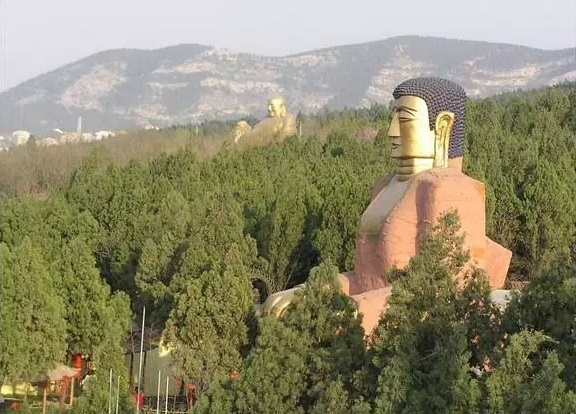
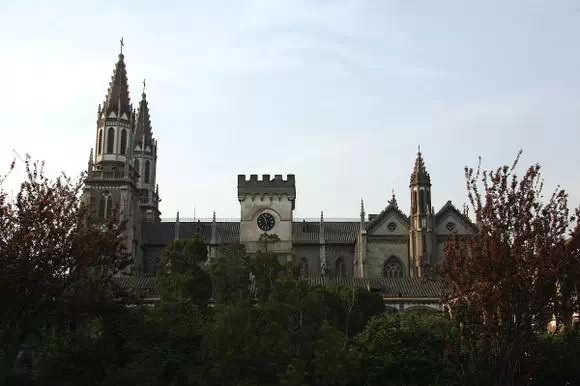
Shandong University Honglou: Shandong University is the best university in the province. The entire campus is composed of old buildings left over from foreign invasion more than a hundred years ago. Honglou is also the largest church in northern China.
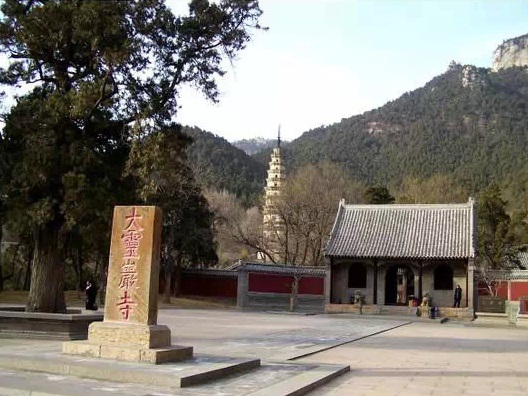
Lingyan Temple: One of the four ancient temples in China, a Buddhist holy site.
One of the four ancient temples in China, a Buddhist holy site.
Lingyan Temple: One of the four ancient temples in China, a Buddhist holy site.
Jinan, the City of Springs: Qushuiting Street and Furong Street are representative of old Jinan, while Quancheng Square, the moat, Jiefang Pavilion, Black Tiger Spring, and Five Dragon Pool are the best interpretations of the City of Springs.
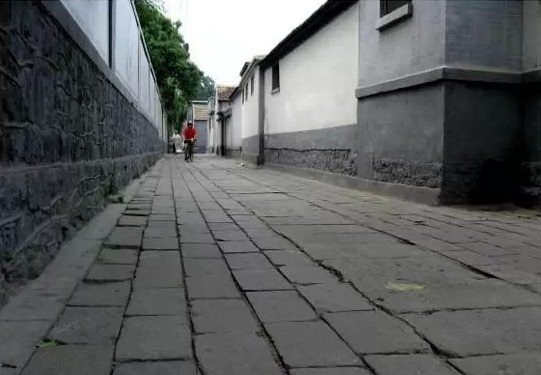
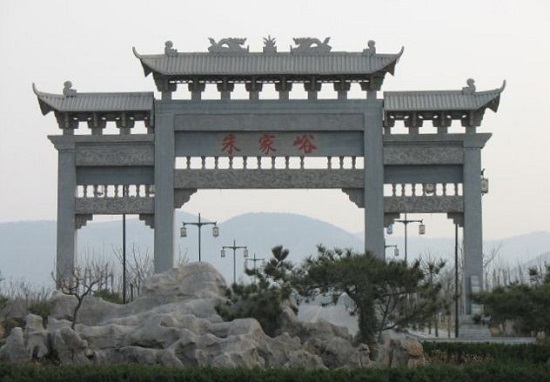
Zhujia Yu: "The First Ancient Village of Qilu, a Marker of Settlements North of the Yangtze River," the First Ancient Town of Shandong.
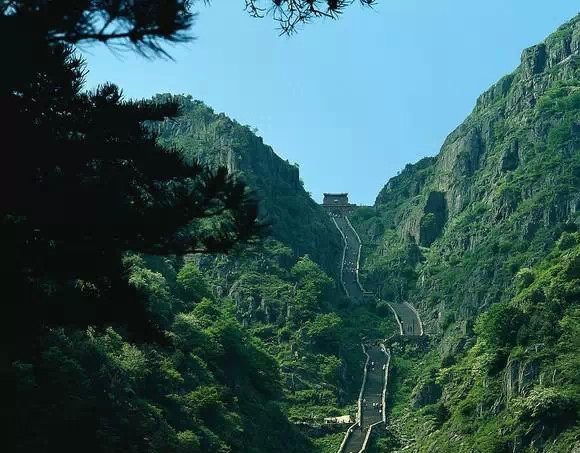
Tai'an:
Mount Tai, the most revered of the Five Sacred Mountains, and the Dai Temple
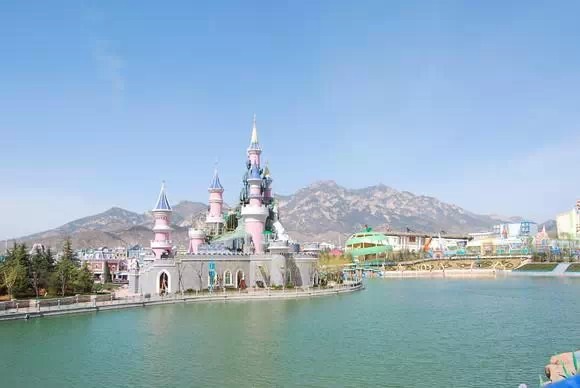
Fantawild Adventure: Romantic Venice, Shandong Province's largest amusement park
Dongping Lake and Water Margin Film City
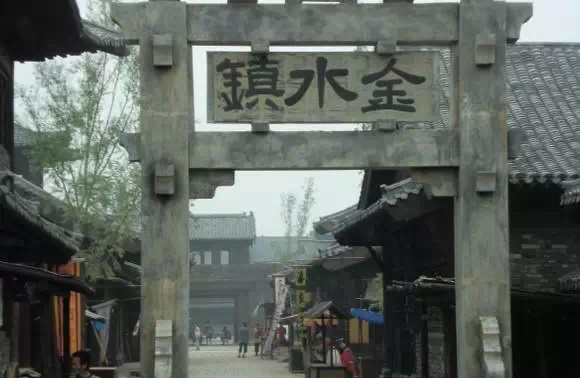
Jining:
San Kong Nishan (Confucius Temple, Confucius Mansion, Confucius Cemetery, and Nishan, the birthplace of Confucius)
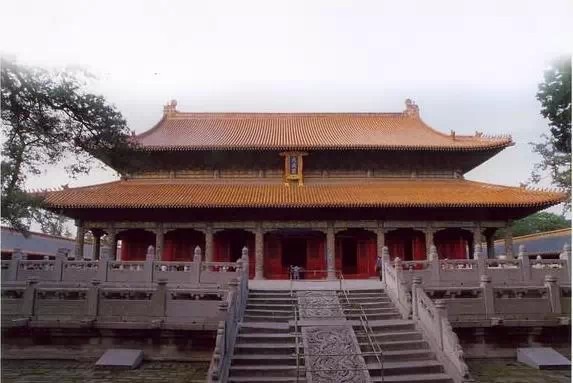
Meng Family Mansion, Meng Temple, and Yishan Mountain: Hometown of the Second Sage, Zoucheng. Ancient Dongshan—Strange Rocks of Yishan
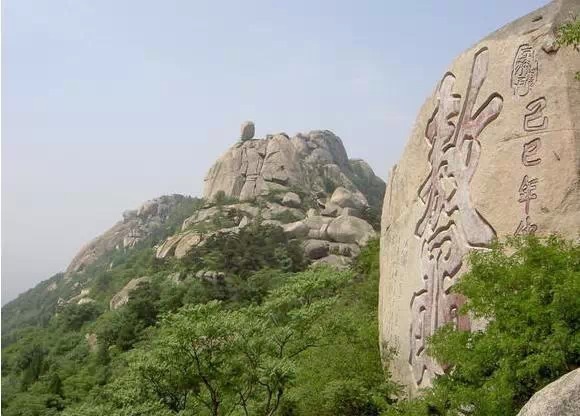
Liangshan Mountain—Liangshan Marsh, Hometown of Shandong Heroes
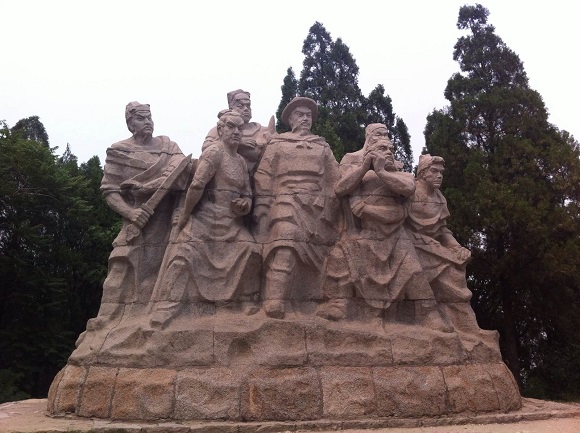
Baoxiang Temple: Baoxiang Temple in Wenshang, a Buddhist center, containing relics. Weishan Lake: A beautiful southern lake, home to Nanyang Ancient Town, Weishan Island and Weizi Temple, and also home to Beihu, one of China's four famous lakes.
Shandong Province boasts abundant tourism resources and numerous attractions. Almost every city in the province has its own unique characteristics and culture, with over 1,000 tourist attractions in total. These include Mount Tai, the Confucius Temple, Confucius Mansion, and Confucius Cemetery in Qufu, Mount Lao in Qingdao, the First Spring Under Heaven in Jinan, Penglai Pavilion Scenic Area, and Liugong Island. Among them, Mount Tai is a World Natural and Cultural Heritage site, a World Geopark, a National 5A-level Tourist Attraction, and a National Scenic Area. This article lists 15 of the most fun and famous scenic spots in Shandong. For your enjoyment only.
1. Mount Tai Scenic Area
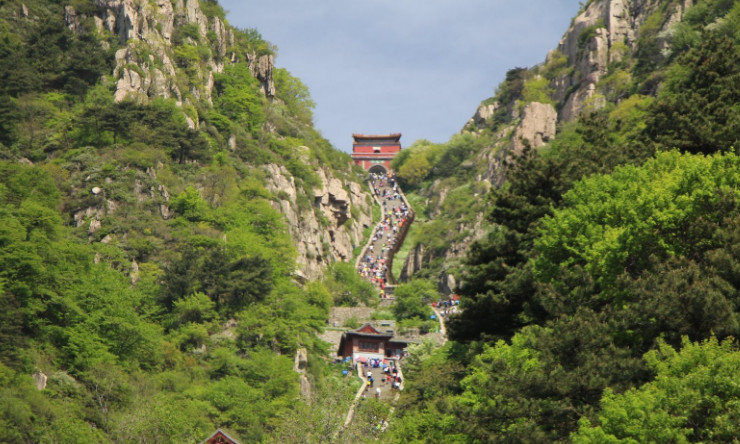
Mount Tai is one of China's famous Five Sacred Mountains, a World Natural and Cultural Heritage site, a World Geopark, a National Key Scenic Area, and a National Civilized Scenic Tourist Area. Since ancient times, Mount Tai has been regarded as a paradise "directly connected to the imperial throne," becoming a sacred mountain worshipped by the people and where emperors offered sacrifices. There is a saying, "If Mount Tai is safe, the whole world is safe."
Mount Tai is one of the most famous scenic spots in China, with magnificent mountains and beautiful waters and a long history of culture.
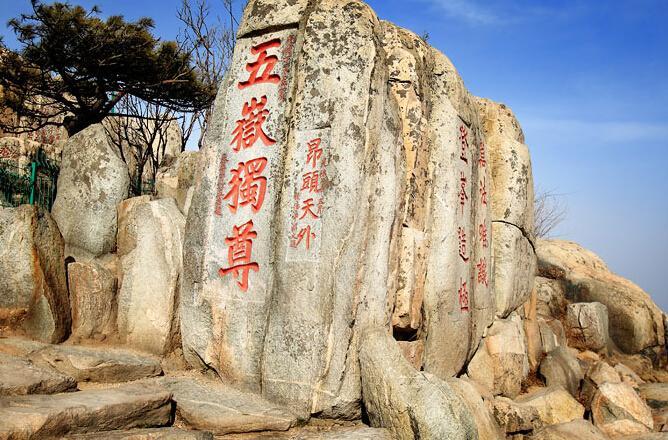
From the Qin Dynasty to the Qing Dynasty, 13 emperors personally ascended Mount Tai to perform the Fengshan ceremony or offer sacrifices, and another 24 emperors sent officials to offer sacrifices 72 times. Representative scenic spots of Mount Tai include Yin-Yang Boundary, Peach Blossom Valley, Aolai Peak, and Jade Emperor Peak.
Six Major Scenic Areas
The Mount Tai Scenic Area comprises six major scenic areas: the Secluded Area, the Open Area, the Mysterious Area, the Wonderful Area, the Elegant Area, and the Beautiful Area.
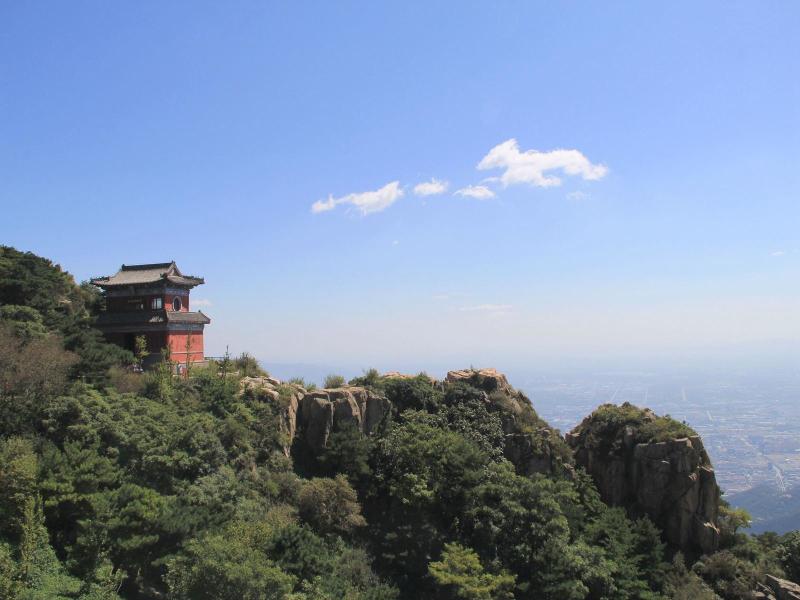
The Four Wonders of Mount Tai
The best time to visit Mount Tai is from May to November each year. When visiting Mount Tai, you can see four wonders: the sunrise over Mount Tai, the sea of clouds, the sunset glow, and the golden ribbon of the Yellow River.
The Boundary Between Yin and Yang
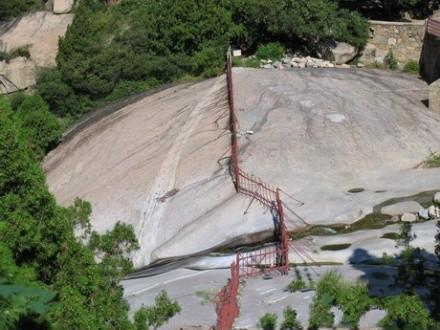
On the stone platform south of the Longevity Bridge on Mount Tai, at the top of the East Hundred-Zhang Cliff, there is a light-white rock band that spans the vertical river valleys on both sides. It looks like a white ribbon embroidered on the edge of the cliff. Due to the erosion of water over the years, the surface is smooth as a mirror, and the color is bright and very eye-catching. If you are not careful when crossing it, you will fall to your death. Hence the name "Boundary Between Yin and Yang". The stone slab beneath the bridge is composed of granular gneissic monzogranite from the Aolai Mountains. It is hard and resistant to weathering and erosion. Over long periods of weathering and erosion by the stream, it has been sculpted into this wide and smooth stone slab. The so-called "boundary between Yin and Yang" is actually a granitic vein composed of feldspar and quartz. Its surface is grayish-white, and the vein is 1–1.2 meters wide. It extends in a 130° southeast direction, occurring almost vertically within the monzogranite. Its boundary with the surrounding rock is very clear, its occurrence is stable, it extends in a straight line, and its color is vivid. Located on the edge of the Dongbaizhang Cliff, the terrain is extremely precipitous. The ancients regarded this vein as the dividing line between the mortal and underworld realms.
Taohuayu
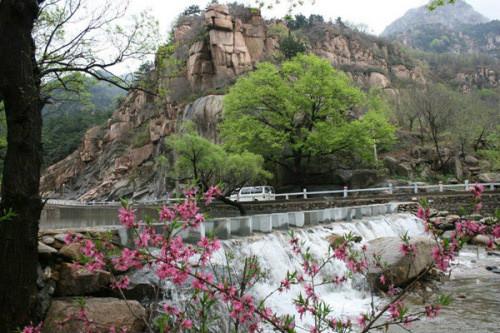
Taohuayu is located northwest of the summit of Mount Tai, and a cable car connects it directly to the summit. The rocks exposed around the cable car station are mainly medium-grained gneissic granite from the Aolai Mountains. The northwest-trending Longjiaoshan Fault passes through its eastern side, with associated faults developing on both sides of the fault that are roughly parallel to it.
One of the associated faults cut across a mountain peak, creating a densely jointed zone about 5 meters wide. The joint surfaces are nearly vertical, cutting the monzogranite into many thin, slab-like blocks. Under gravity, these blocks continuously collapsed along the vertical joint surfaces, eventually forming a large crack several meters wide with two opposing peaks—this is the famous Taohuayu Yixiantian (Peach Blossom Valley One-Line Sky). Caishixi is not only an important source of Taishan's unique stones, but according to investigations by Taishan staff, a system of crustal rocks, mainly composed of basic plagioclase amphibolite (basic volcanic rock), exists in Caishixi, belonging to the Taishan rock group. The original rocks were acidic volcanic rocks and acidic volcanic tuff, forming a bimodal structure. Due to intense deformation, the basic volcanic rocks have been stretched into structural patches, and their structural deformation has been further cut off by later processes, including the veins. There is also mylonitization, and the geological phenomena, including tectonic structures and stratigraphy, are very rich.
Aolai Peak
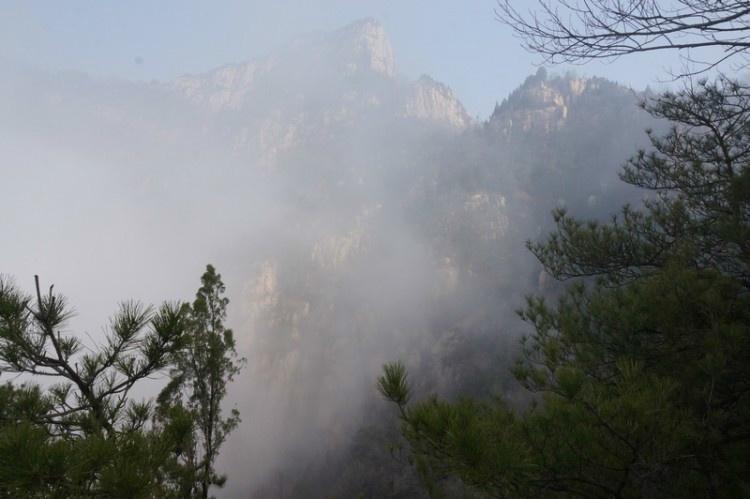
To the west of Shanzi Cliff is Aolai Peak, which rises majestically and rivals the main peak of Mount Tai. There is an old folk saying: "Aolai is high, Aolai is high, up close it is as high as Mount Tai, from afar it is only halfway up the mountain." The junction of Aolai Peak and Shanzi Cliff is a mountain pass. Beyond the mountain pass is Qingtong Stream, which is unfathomably deep. To the north of the stream is Huping Cliff, a precipitous cliff thousands of feet high.
Standing at the mountain pass, looking east at Fanzi Cliff, it resembles a crumbling ruin, precarious and breathtaking; looking west at Aolai Peak, it seems to connect with the heavens; looking north at Huping Cliff, its sheer cliffs pierce the clouds. The exposed rocks in the Fanzi Cliff and Aolai Peak areas are all granular gneissic granite from the Aolai Mountains.
2. Qufu Ming Ancient City, Jining City
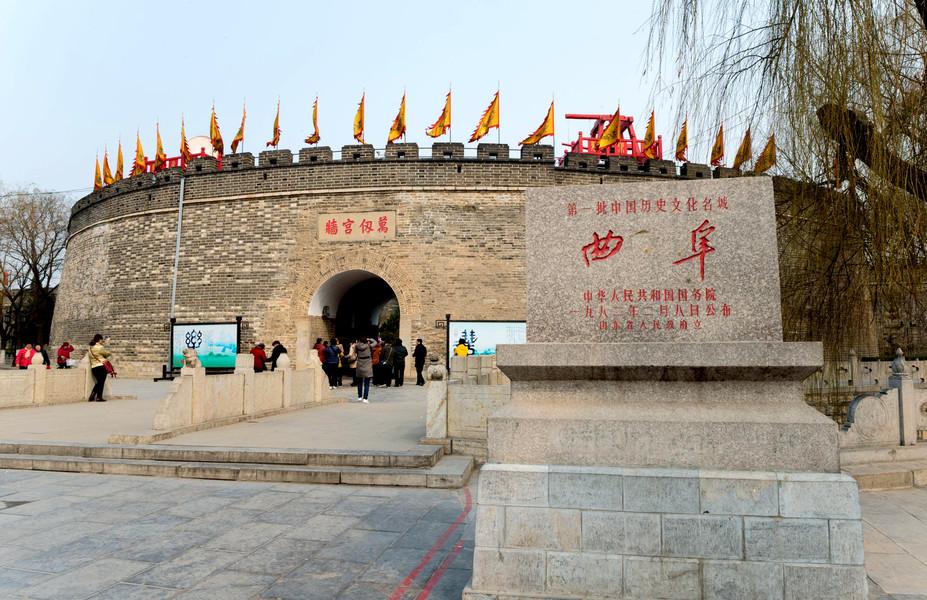
Qufu Ming Ancient City is a World Cultural Heritage site, one of the three holy cities in the world, a national AAAAA-level tourist attraction, a national scenic spot, a national key cultural relics protection unit, and one of the three major ancient architectural complexes in China.
Qufu Ming Ancient City is located on Jingxuan West Road in Qufu City, Jining, Shandong Province. It is a tourist destination based on the Confucius Temple, Confucius Mansion, and Confucius Cemetery. The Confucius Temple, Confucius Mansion, and Confucius Cemetery are not only symbols and landmarks of ancient China's veneration of Confucianism, but also important physical objects for the study of Chinese history, culture, and art. The Confucius Temple was built in 478 BC and continuously expanded, covering an area of 327 hectares. It is the second largest existing ancient architectural complex in China after the Forbidden City, a model of large-scale ancient Chinese temple architecture, one of the three major ancient architectural complexes in China, and holds an important position in the history of world architecture. It is known as the second Stele Forest of my country. The Confucius Mansion, also known as the "Yansheng Duke's Mansion," was built in the Song Dynasty and was the residence of the direct descendants of Confucius. It is adjacent to the Confucius Temple to the west and covers an area of about 16 hectares. After being rebuilt during the Jiajing period of the Ming Dynasty, it became the second largest noble mansion in my country after the Forbidden City in Beijing, known as "the first family under heaven." The Confucius Cemetery, also known as the "Forest of the Sages," is the burial ground of Confucius and his descendants. It contains over 100,000 tombs and covers an area of over 3,000 mu (approximately 200 hectares). It is the largest, longest-lasting, and best-preserved clan burial complex and artificial garden in my country, serving as both an ancient man-made garden and a natural botanical garden.
3. Qingdao Laoshan Scenic Area
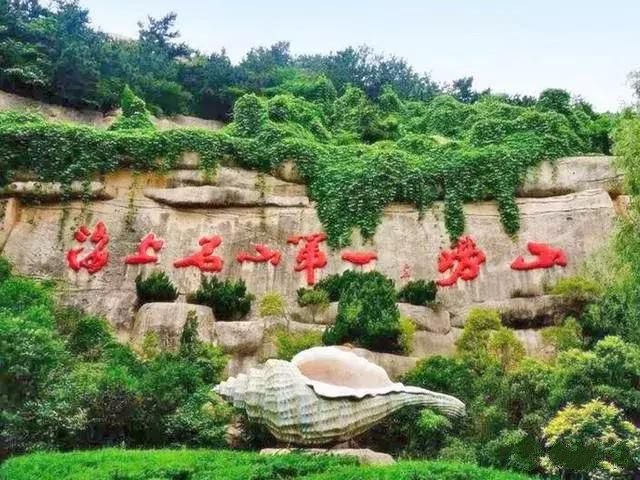
Qingdao Laoshan Scenic Area is located in Qingdao City, Shandong Province. It is one of the first batch of national key scenic spots approved and announced by the State Council and an important coastal mountain scenic spot in China. Laoshan Scenic Area consists of 9 scenic tourist areas including Jufeng, Liuqing, Taiqing, Qipanshi, Yangkou, Beijiushui, and Hualou, 5 scenic restoration areas including Shazikou, Wanggezhuang, Beizhai, Xiazhuang, and Xifuzhen, and three outer land and sea attractions.
The Laoshan Scenic Area comprises nine scenic tourist areas—Jufeng, Liuqing, Taiqing, Qipanshi, Yangkou, Beijiushui, and Hualou—and five scenic restoration areas—Shazikou, Wanggezhuang, Beizhai, Xiazhuang, and Xifuzhen—as well as surrounding land and sea attractions. Laoshan is the main mountain range of the Shandong Peninsula. Its highest peak, Laoding, reaches 1133 meters, making it the highest peak on China's coastline and earning it the title of "First Famous Mountain by the Sea." It stands majestically on the shores of the Yellow Sea. There's an old local saying: "Though Mount Tai's clouds are high, they can't compare to Laoshan by the East Sea." With its stunning mountain scenery and breathtaking sea views, Laoshan is a renowned Taoist mountain. The connection between mountains and sea, the interplay of light and color, is the defining characteristic of Laoshan's landscape. Among my country's famous mountains, only Laoshan rises abruptly from the sea. Its coastline stretches 87 kilometers, dotted with 18 islands of varying sizes, creating a spectacular maritime landscape. Laoshan is a famous Taoist mountain in China, with the Taiqing Palace being the largest and oldest surviving site. Ascending to the heights, one's ambition soars to the clouds; gazing into the distance from Laoshan. Laoshan Mountain, towering high in the east with cliffs overlooking the sea, is like a fairyland. The Jiushui River is beautiful, the southern route is magnificent, and the Jufeng Peak is precipitous. I especially love Jufeng Peak; its perilous cliffs truly reveal the dignity of a famous mountain. I marvel at the winding paths that converge at a height of 1132.7 meters, the mountain road rising and falling, hidden in the mountains, emerging from the valleys, stretching endlessly. If one could conquer these towering peaks, the trip would be worthwhile. Imagine climbing step by step, panting, drenched in sweat, standing atop Laoshan, surveying the surrounding landscape, with mist and clouds swirling at your feet, bathed in a golden, warm sun, a sense of invincibility emanating from this ancient mountain—what exhilaration!The First Spring Under Heaven Scenic Area in Jinan, Shandong Province, is a national 5A-level tourist attraction, a national key park, a national advanced unit in spiritual civilization construction, and a national scenic spot. Covering an area of 3.1 square kilometers, the scenic area comprises "one river (the moat), one lake (Daming Lake), three springs (Baotu Spring, Black Tiger Spring, and the Five Dragon Pool), and four parks (Baotu Spring Park, the Ring Park, the Five Dragon Pool Park, and the Daming Lake Scenic Area)," making it a tourist area that integrates unique natural landscapes and profound historical and cultural heritage.
Baotu Spring Scenic Area
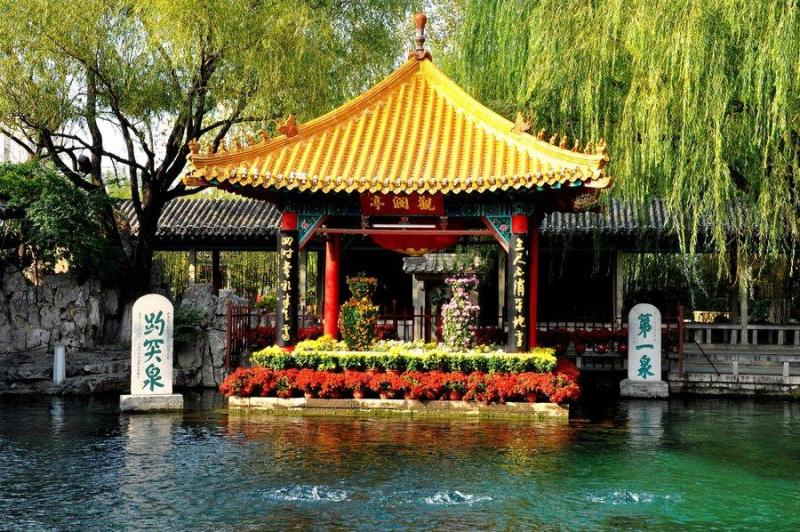
Baotu Spring, also known as Kanquan, was formerly called Luo, and is the source of Luoshui River. Three springs flow in a straight line, bursting forth in unison with great force, thus earning it the title of "First Spring" from Emperor Qianlong. It is the foremost of the seventy-two famous springs of Jinan, the City of Springs. Zeng Gong of the Song Dynasty officially named it "Baotu Spring." It also has other names such as Kanquan, Eyingshui, Hot Spring, Waterfall, and Three Streams.
The term "Baotu" means leaping and gushing, reflecting the characteristic of the Baotu Spring's three geysers gushing forth continuously. Daming Lake Scenic Area Daming Lake Scenic Area
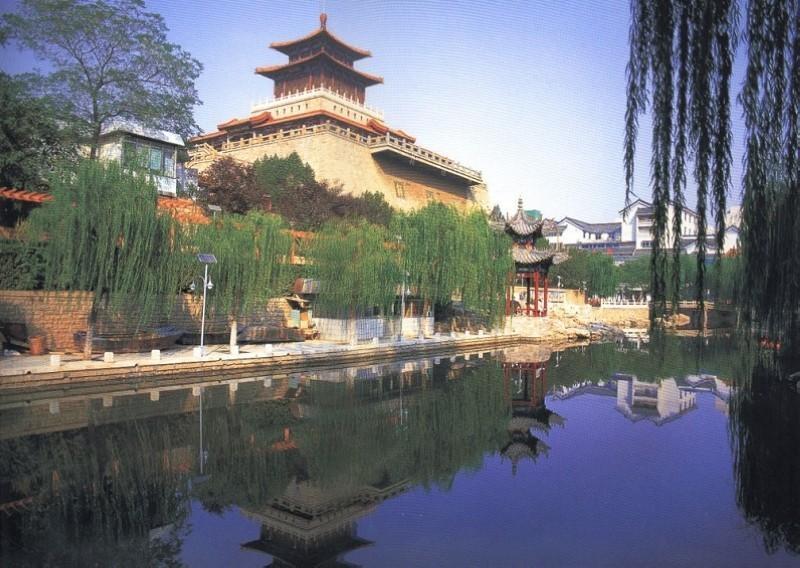
Daming Lake, along with Thousand Buddha Mountain and Baotu Spring, are known as the three major scenic spots of Jinan. (The place where Xia Yuhe met the Emperor in "Princess Pearl"), this natural lake in the bustling city is an important scenic spot and open window of Jinan, a famous tourist destination at home and abroad, and is known as the "Pearl of the Spring City". It is located in the northeast of Jinan's city center and the northern part of the old city.
Daming Lake is a natural lake formed by the confluence of numerous springs within the city. It covers a vast area, almost a quarter of the old city. The springs converge here and flow into the Xiaoqing River through the North Water Gate. The lake itself covers 58 hectares, and the park area is 103.4 hectares, with the lake surface accounting for approximately 53%. The average depth is about 2 meters, with a maximum depth of 4.5 meters. The saying "Lotus flowers on all four sides, willows on three, mountains in one half of the city, lake in the other" perfectly describes its scenery. Its unique natural characteristics include "no snakes seen, no frogs croaking," and "it doesn't rise during heavy rains, nor dry up during prolonged droughts."
Wulongtan Scenic Area
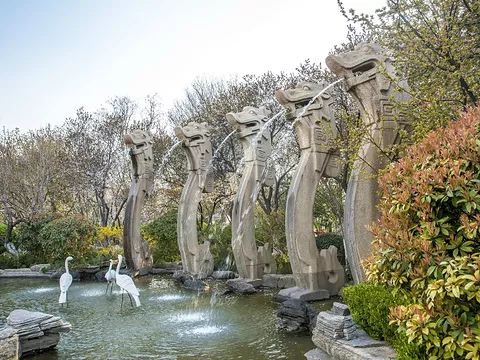
Wulongtan, formerly known as Huiwan Spring, is located within Wulongtan Park. According to the "Commentary on the Waterways Classic," this body of water existed before the Northern Wei Dynasty and was called Jingchi, a corner of Daming Lake. Legend has it that Wulongtan was once unfathomably deep, and prayers for rain would be answered during severe droughts. Therefore, during the Yuan Dynasty, some enthusiasts built a temple by the pool, enshrining five dragon gods, and from then on, it was renamed Wulongtan (Five Dragon Pool). Within Wulongtan Park, 26 ancient springs of varying shapes and sizes are scattered, forming the Wulongtan Spring Group, which boasts the best water quality among Jinan's four famous spring groups. The ancient hot spring, located on the southeast side of Wulongtan, is named for its high water temperature and long history. Even in the depths of winter, when the wind is biting and snow is falling heavily, the spring still steams with warmth. A garden called Yiyuan once stood beside the spring during the Qing Dynasty, but it later fell into disrepair. To the south of the spring stands a two-story building, which was the early location of the Shandong Provincial Committee of the Communist Party of China.
Xuanqing Spring
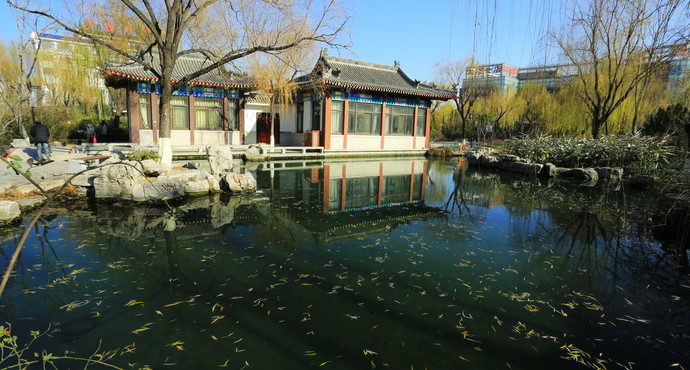
Also known as Xianqing Spring, it is located on the north side of Wulongtan (Five Dragon Pool). The spring pool is 2.4 meters deep and irregularly shaped, with natural stone revetments on the banks. The spring water is clear, and the willows provide shade, making for a pleasant scene. Shen Tingfang, a scholar of the Qing Dynasty, wrote in "A Brief Account of Xianqing Garden": "Jinan has the best springs in the world. It is said that there are seventy-two famous springs, among which Baotu and Zhenzhu are the most famous. Xianqing Spring is actually more inferior than Baotu and Zhenzhu. "During the Qing Dynasty, a unique water garden called Langyuan was built next to Xuanqing Spring.
Langyuan Garden is now abandoned, but people have built Lanhong Pavilion on its site, which is also quite beautiful.
Tianjing Spring
Tianjing Spring
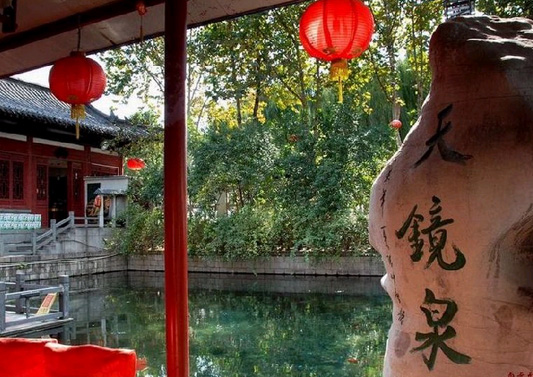
Also known as Jiangjia Pond, it is located at the southern end of Wulongtan (Five Dragon Pools). It is named for its clear and bright spring water, which reflects the sun, moon, stars, and clouds like a mirror from the sky. The Qing Dynasty Daoguang edition of the *Jinan Prefecture Gazetteer* records: "Tianjing Spring is Jiangjia Pond, covering an area of one acre, large enough to reflect one's eyebrows." Tianjing Spring is the second largest spring in the Wulongtan spring group, with excellent water flow. Green algae float in the pool, and goldfish swim around, making it a very beautiful sight.
Seventy-Three Springs
Located under a grape trellis on the southwest side of Five Dragon Pool. The spring pool is bordered by natural stones, exquisite and unique. Spring water flows from the cracks in the stones and merges into Five Dragon Pool. The appearance of Seventy-Three Springs is also associated with a beautiful story: In the fifty-sixth year of the Qianlong Emperor's reign (1791), the famous scholar Gui Fu ordered the construction of the Tanxi Academy on the west side of Five Dragon Pool. Unexpectedly, while digging the foundation, a spring was unearthed, with water gushing forth in a beautiful flow. Gui Fu was overjoyed and held a grand banquet for his guests, asking everyone to name the spring. Everyone offered their suggestions, but none of them were quite ideal. Finally, Gui Fu had a flash of inspiration and named the spring "Seventy-Three Springs," which everyone praised as brilliant.
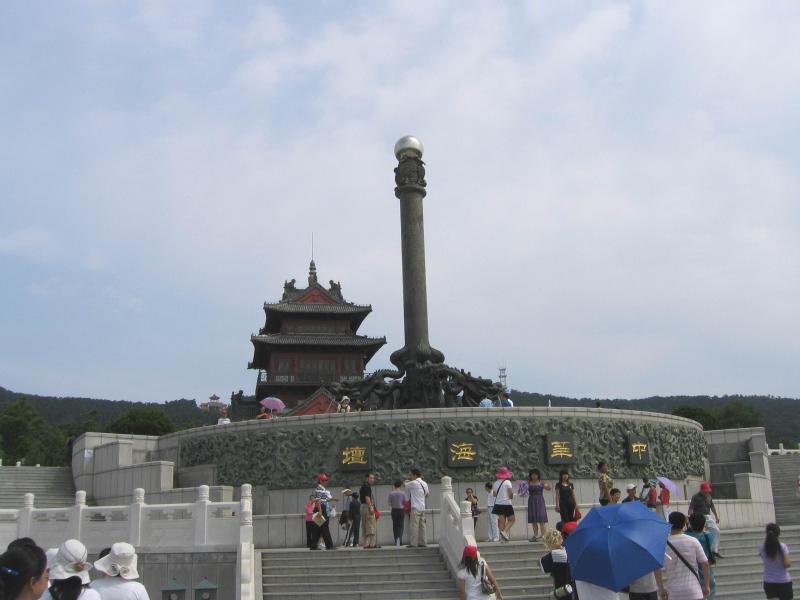
The Qing government established the Beiyang Navy in 1888, and due to Liugong Island's strategic location, the Beiyang Navy Admiral's Office was located here. The Admiral's Office covers an area of 10,000 square meters, nestled against the mountains and facing the sea, facing south, surrounded by a long wall, with a rigorous layout. All buildings are Qing-style timber-framed brick structures, with carved beams and painted rafters, high-carved eaves, and winding corridors. 200 meters northwest of the Admiral's Office is the residence of Admiral Ding Ruchang, formerly known as "Ding Gong Mansion." "A thousand miles away from the dust of the world, this place is a paradise" best describes Liugong Island. Walking along the ring road around the island, one can not only visit various scenic spots but also enjoy the beautiful scenery where the sea and sky meet.
7. Yimeng Mountain Tourist Area, Shandong Province
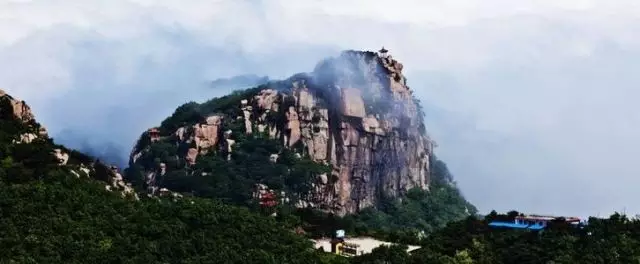
15 of the most popular scenic spots in Shandong, China: stunning mountains and rivers, rich cultural heritage
Yimeng Mountain Tourist Area is located in south-central Shandong Province. Mengshan and Yishan are 180 kilometers apart, respectively under the jurisdiction of Linyi City and Linqu County. It mainly includes the Yunmeng Scenic Area and Guimeng Scenic Area, with a core scenic area of 148 square kilometers.
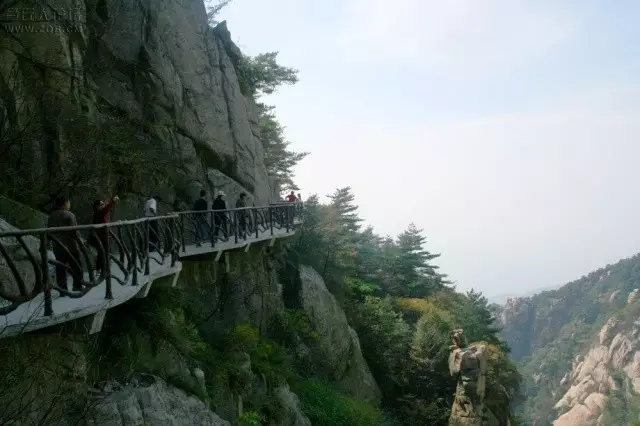
The Yunmeng Scenic Area of Yimeng Mountain Tourist Area offers different scenery in each season: spring brings verdant mountains and seas of flowers; summer features cascading waterfalls and misty clouds; autumn paints the mountains red with vibrant foliage; and winter transforms the landscape into a silver-clad wonderland of ice sculptures.
Yimeng Mountain Tourist Area's Yunmeng Scenic Area offers different scenery in each season: spring brings lush greenery and blooming flowers; summer brings cascading waterfalls and misty clouds; autumn brings vibrant red leaves and colorful forests; and winter brings a silver-clad landscape of ice sculptures.
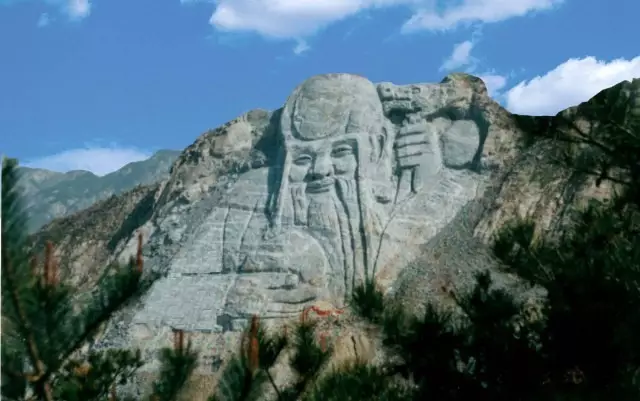
The main attractions of Mengshan Guimeng Scenic Area include: Wanshou Palace, Fushou Kangning Ding (a type of ancient Chinese bronze vessel), Jiulongtan (Nine Dragon Pool), Baishou Cliff Inscription, Yingwo Peak, Dongtianmen (East Heavenly Gate), Mengshan Cliffside Plank Road, Qungui Tanhai (a group of turtles exploring the sea), Guimeng Peak, Mengshan Shouxian Giant Sculpture, and Weiren Peak, etc.
8. Taierzhuang Ancient City Scenic Area, Zaozhuang City
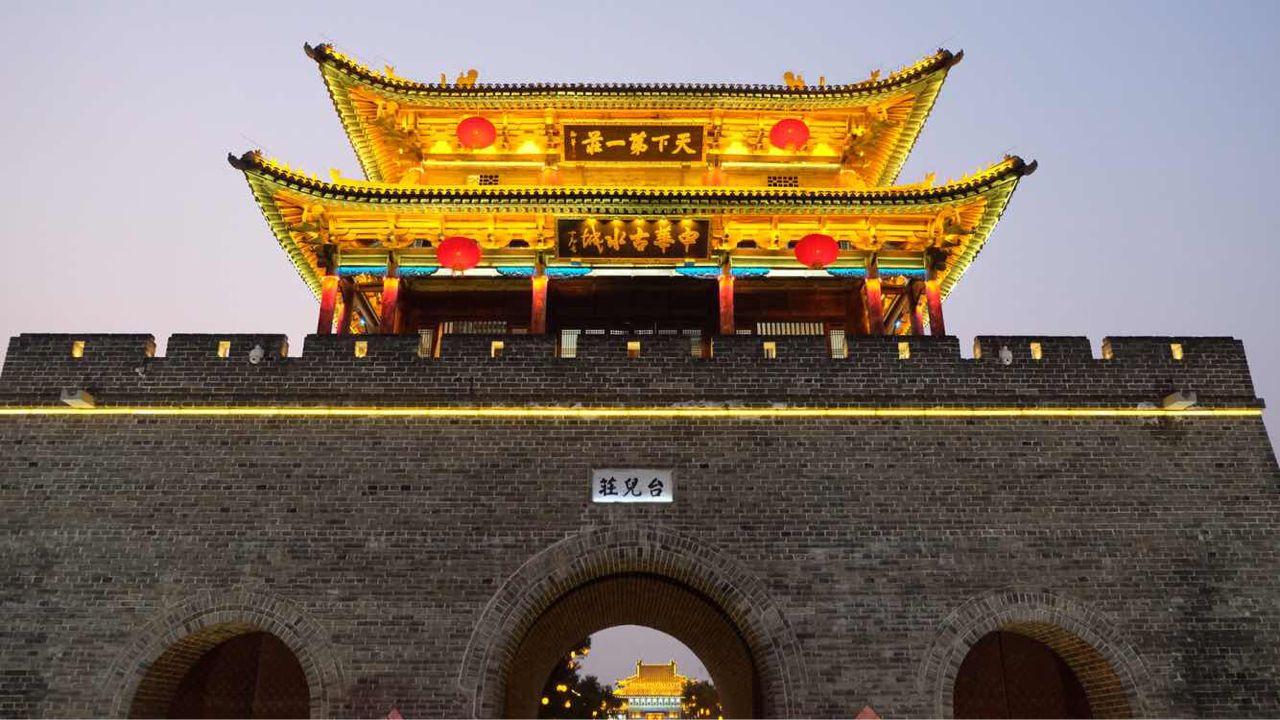
Taierzhuang Ancient City, known by the World Tourism Organization as a "living ancient canal" and "the only remaining heritage village of the Grand Canal," is located at the center of the Grand Canal, situated in Taierzhuang District of Zaozhuang City, Shandong Province, at the junction of Shandong, Jiangsu, Henan, and Anhui provinces. The ancient city originated in the Qin and Han dynasties, developed in the Tang and Song dynasties, and flourished in the Ming and Qing dynasties, earning the title of "The First Village Under Heaven" (bestowed by Emperor Qianlong of the Qing Dynasty). Taierzhuang Ancient City features ancient waterways, wharves, the ancient water city of China, the Taierzhuang Battle Memorial Hall, and a cross-strait exchange base. It is one of only two cities in the world, along with Warsaw, the capital of Poland, that were destroyed by World War II and rebuilt as a World Heritage Site. The ancient city's framework uses the Grand Canal as its cultural axis, and includes eight major scenic areas: Guandi Temple Scenic Area, Ximen Anlan Scenic Area, Boatmen's Village Scenic Area, "Grand Canal Market" Scenic Area, Banqiao-Huamenlou Scenic Area, Water Street Market Scenic Area, Mosque-Jiulongkou Scenic Area, and Wetland Park. Corresponding to the eight scenic spots of the ancient canal city—"Nine Rivers Converging," "Old Chronicles of Taicheng," "Green Shade of Tucun," "Floating Jade of Miaowang," "Rainbow Lying on the Willow Bank," "Ancient Cypress Gazing at the Moon," "Canal Streets," and "Outstanding Pavilion Rippling on the Water"—29 attractions have been planned and constructed, including the Military Governor's Office, Taishan Palace, and Lanling Academy. The project organically combines eight major architectural styles: Northern Courtyards, Southern Shandong Folk Houses, Hui-style Architecture, Water Town Architecture, Southern Fujian Architecture, European Architecture, Religious Architecture, and Hakka Architecture. It features a prosperous street primarily in the Hui-style architectural style, a T-shaped street primarily in the European style, water streets and alleys primarily in the water town style, and the Guandi Temple scenic area primarily in the style of Shanxi merchant residences. 9. Longkou Nanshan Scenic Area, Yantai, Shandong Province
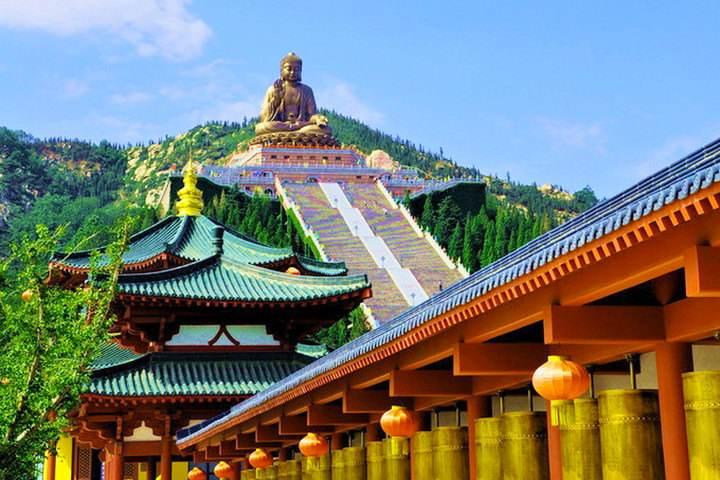
Longkou Nanshan Scenic Area is located in the south-central mountainous area of Longkou City, covering a total area of 14 square kilometers. The scenic area boasts a top 100 national international travel agency, an international golf club, star-rated hotels, a yacht club, and a leading health resort in China, among other tourism-related businesses. It also features supporting facilities such as a cultural center, a grand theater, a shopping center, a wine castle, and a seawater bathing beach, forming a comprehensive tourist resort area encompassing sightseeing, leisure and vacation, entertainment and shopping, catering services, and industrial and agricultural tourism.
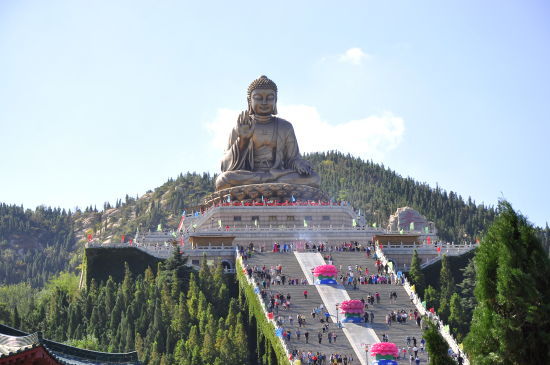
Nanshan Tourist Area is a large-scale theme park in Longkou, Yantai. It is currently the only large-scale theme park in China built chronologically according to dynasties, with historical culture as its warp and auspicious culture as its weft, starting from ancient times and ending in the Qing Dynasty. The scenic area is divided into three main parts: the Religious History and Culture Park, the Theme Park - Happy Canyon, and the Donghai Tourist Resort Area.
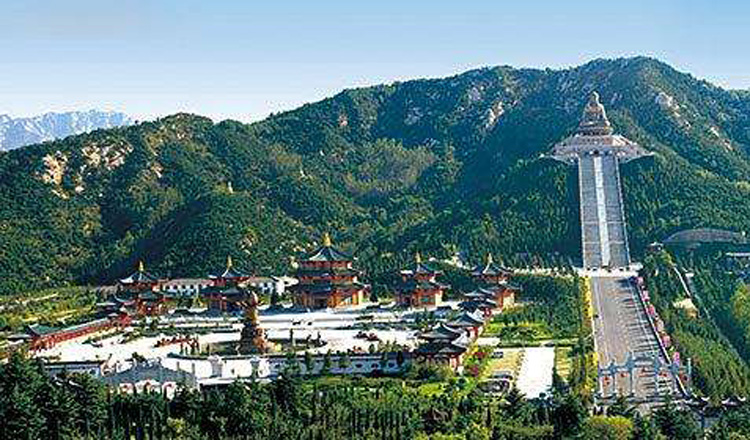
The Nanshan Temple, Xiangshui Nunnery, Nanshan Taoist Temple, and Lingyuan Temple within the Religious History and Culture Park are all relics from the Jin and Tang Dynasties. The world's largest seated Buddha in tin bronze (38.66 meters high and weighing 380 tons) – the Nanshan Buddha – and the largest indoor jade Buddha in China (13.66 meters high and weighing 660 tons) – the Nanshan Medicine Buddha – are the two major highlights of the scenic area. The Nanshan Huayan World, completed in September 2009, includes the Five Directions and Five Buddhas Hall, the Medicine Buddha Praise Dynamic Musical Fountain, and the Prayer Wheel Corridor, adding another religious and cultural landmark to the Nanshan tourist area. The park also features a historical and cultural garden built according to the order of dynasties, with historical culture as the warp and auspicious culture as the weft, resembling a vivid general history of China, comprehensively showcasing the profoundness of Chinese civilization and the diversity of national culture.
10. Qingzhou Ancient City Tourist Area, Weifang City, Shandong Province
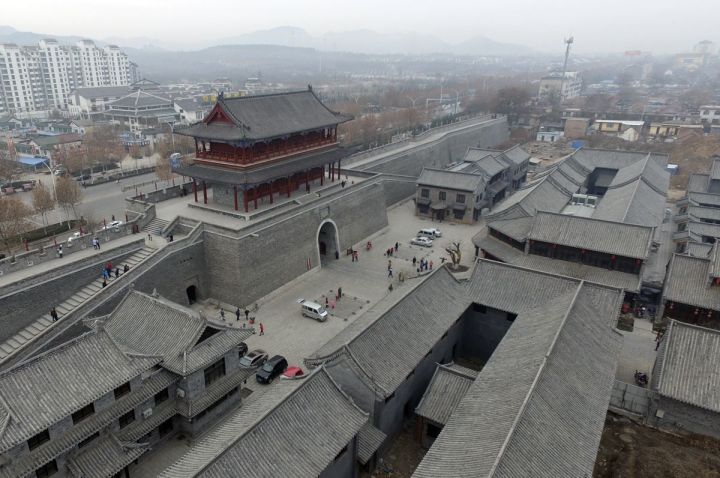
Qingzhou Ancient City is one of the ancient Nine Provinces. The scenic area is a 5A-level scenic spot with a history of more than 7,000 years of development and more than 5,000 years of civilization. It was the capital of the country for twelve years and has been home to six ancient cities, including Guangxian City, Guanggu City, Nanyang City, Dongyang City, Dongguanweizi City, and Qicheng. On November 18, 2013, Qingzhou was named a "National Historical and Cultural City" by the State Council.

Qingzhou Ancient City is a rare, well-preserved Ming and Qing dynasty city that integrates mountains, rivers and city. Numerous government office buildings remain, archways dot the ancient streets, more than 120 Ming and Qing dynasty streets and alleys, and many traditional residences, creating a magnificent sight. There are over 400 time-honored brands and specialty shops such as Longsheng Pastry Shop and Jincheng Pharmacy, and more than 100 kinds of traditional Qingzhou delicacies, continuing the prosperity of this coastal metropolis.
Qingzhou Ancient City is a rare, well-preserved Ming and Qing dynasty city that integrates mountains, rivers and city.
The world's earliest bowed string instrument - Qingzhou Cuoqin, national intangible cultural heritage - Qingzhou Hui ethnic group's flower shuttlecock, and Manchu octagonal drum, and more than 70 other intangible cultural heritages tell the story of the unique regional culture of the ancient city of Qingzhou [3].
11. Huaxia City Tourist Area, Weihai City, Shandong Province
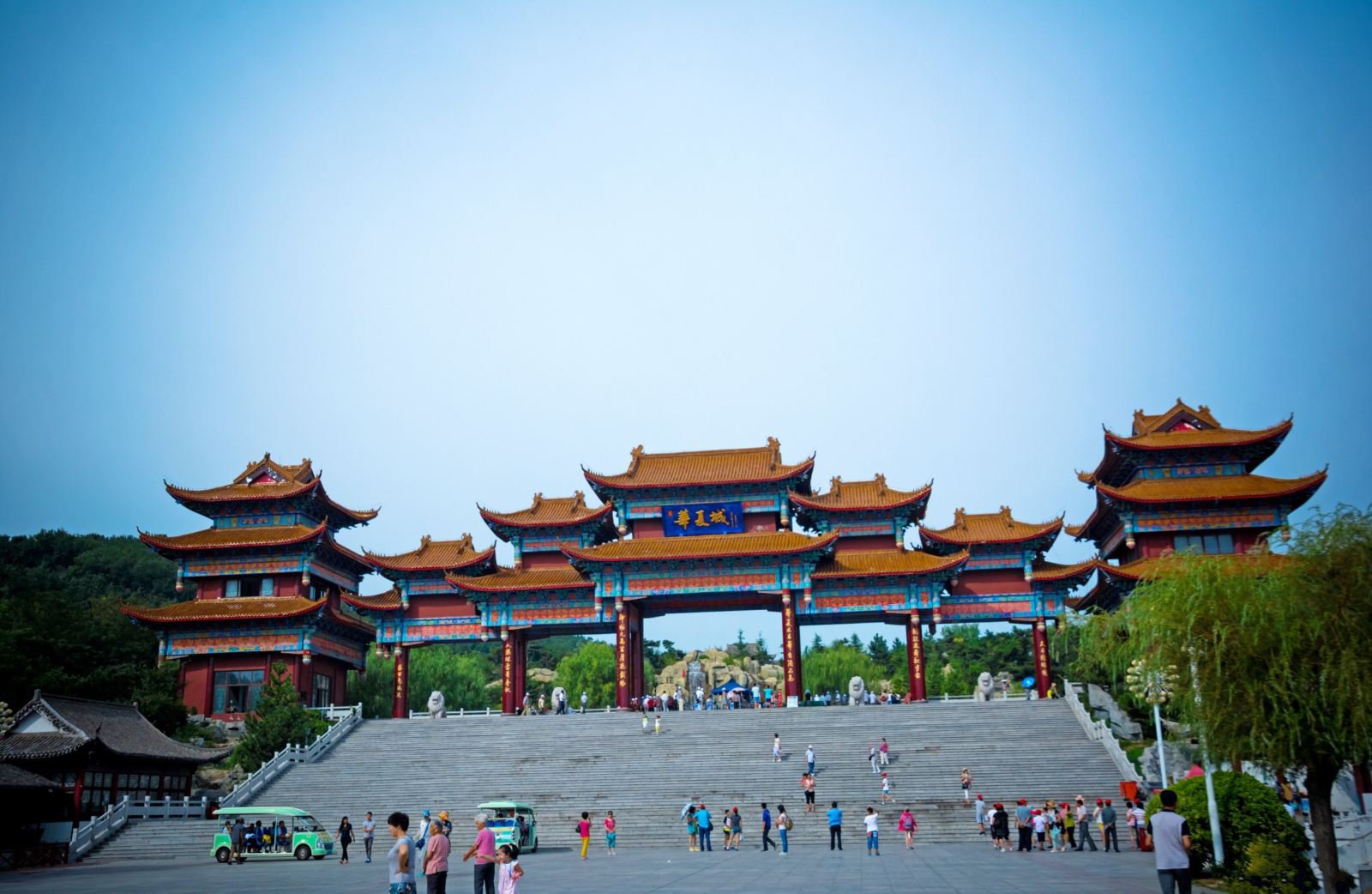
Weihai Huaxia City Scenic Area belongs to Huaxia Cultural Tourism Group Co., Ltd., and is located in the beautiful coastal resort city of Weihai. It is a large-scale ecological and cultural scenic area that mainly showcases the classical culture of the East.
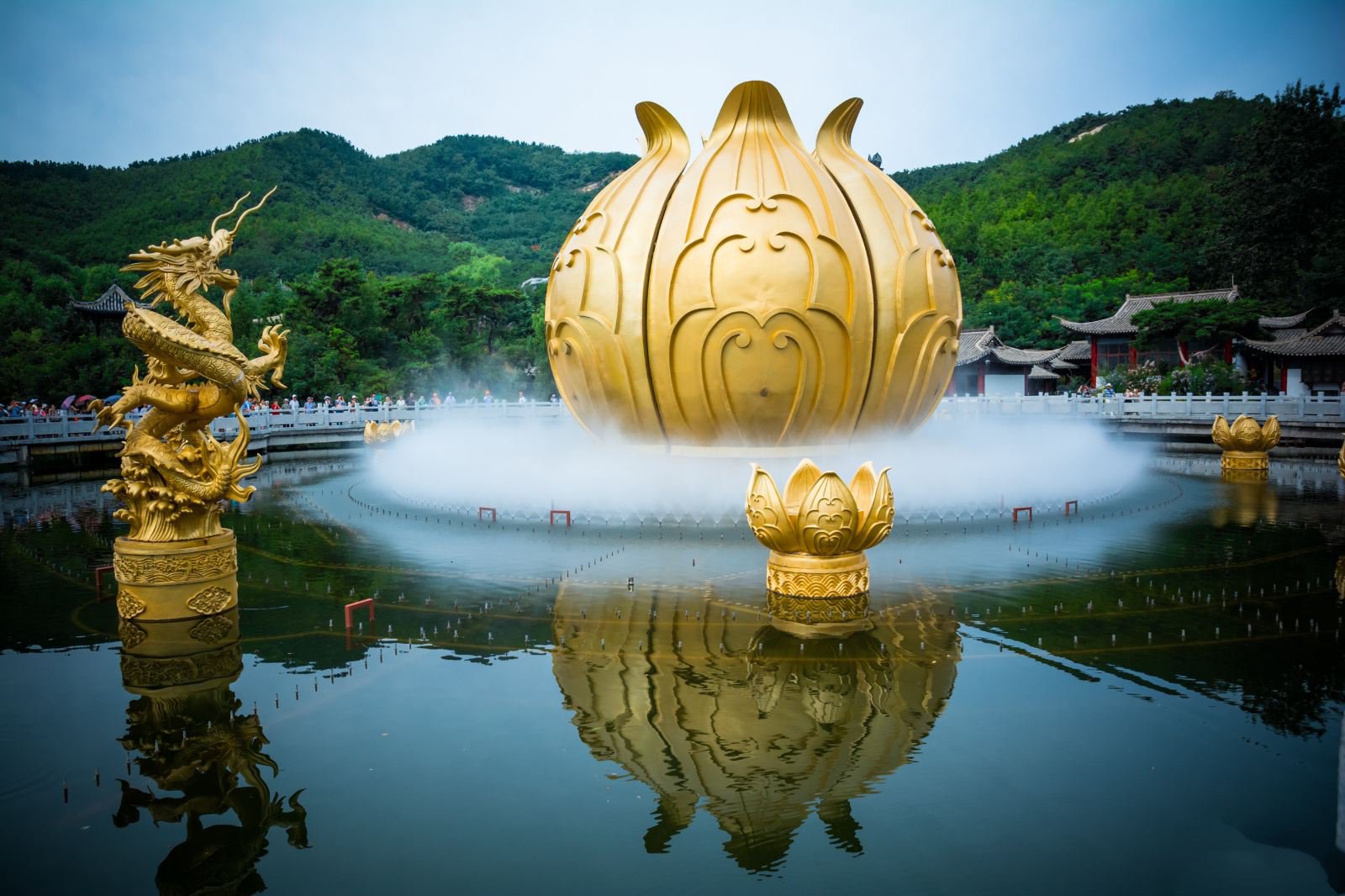
Weihai Huaxia City, located east of Weihai Railway Station, is a large-scale cultural scenic area showcasing classical Eastern culture. In Huaxia City, you can enjoy the magnificent Holy Water Guanyin musical fountain show, stroll through the "Xia Garden," an antique-style exhibition hall that showcases the essence of classical architecture from both the north and south, and watch exciting acrobatic, equestrian, and martial arts performances. The large-scale live-action mountain and water performance "A Journey Through Huaxia" in the evening is not to be missed and will surely leave you breathless.
Weihai Huaxia City is located east of Weihai Railway Station and is a large-scale cultural scenic area showcasing classical Eastern culture.
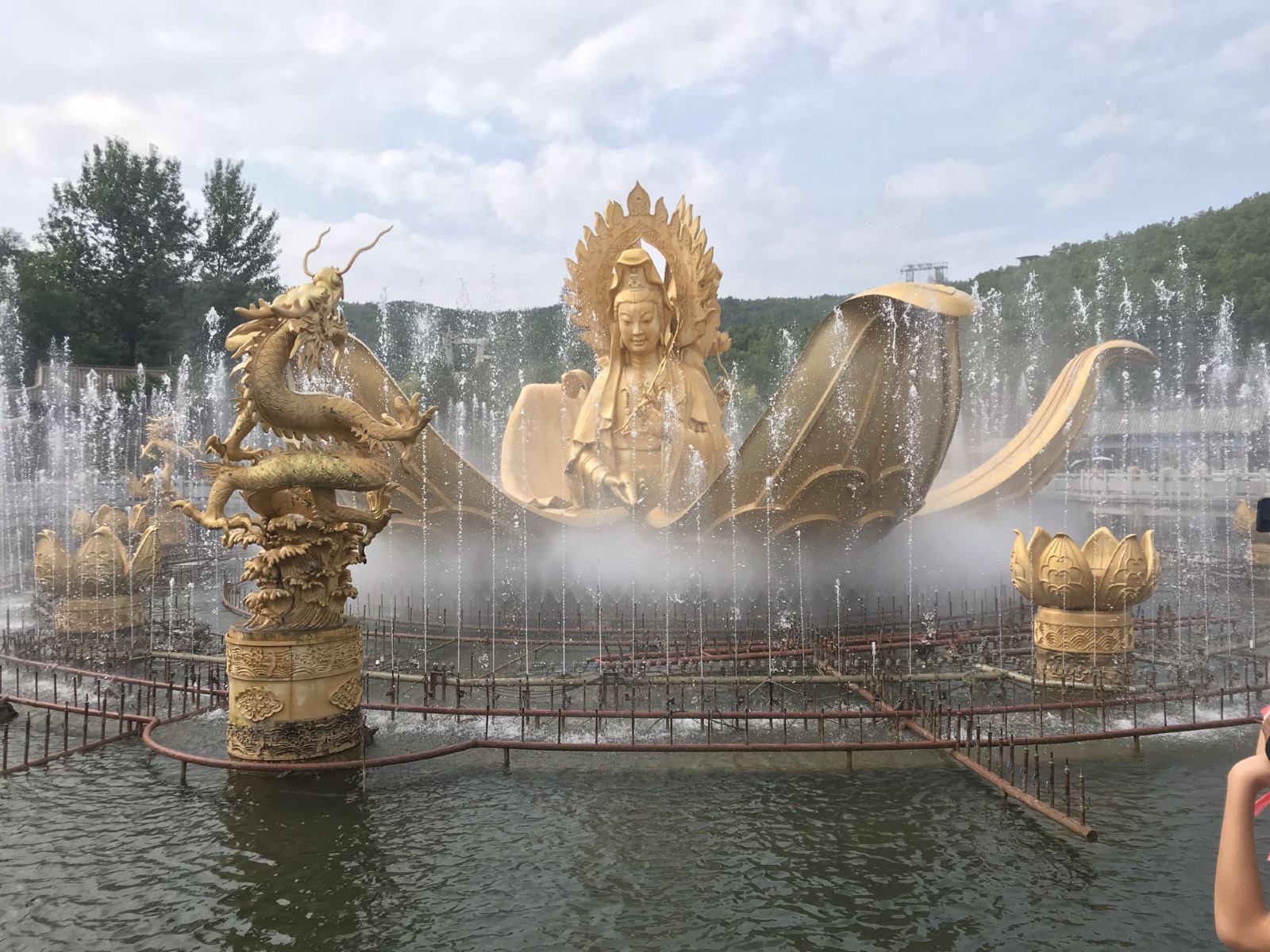
Although most of the buildings in Huaxia City are modern imitations of ancient architecture, the layout is grand and the environment is pleasant. Upon arrival, you will first see the majestic mountain gate, which is currently the largest span archway in China. Continuing along the archway, you can walk on the wooden plank-paved waterway, where there are antique-style pavilions and corridors built around the lake. Next, you will arrive at Xia Garden, where many buildings are situated on the water, with small bridges, flowing water, and winding corridors, reminiscent of the scenery of southern China.
12. Jinan Thousand Buddha Mountain Scenic Area
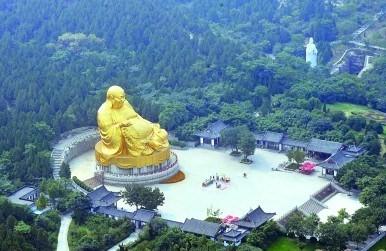
Thousand Buddha Mountain is located in Lixia District, Jinan City, Shandong Province. It is one of the three major scenic spots in Jinan. It was formerly known as Lishan. Because it is said in ancient history that Emperor Shun cultivated the fields on Lishan, it was also known as Shunshan and Shungengshan. During the Kaihuang period of the Sui Dynasty (581-600 AD), due to the popularity of Buddhism, thousands of Buddha statues were carved along the mountain, hence the name Thousand Buddha Mountain.
Thousand Buddha Mountain, a spur of Mount Tai, rises to an altitude of 285 meters and covers an area of 166.1 hectares. Located 2.5 kilometers from the center of Jinan City, in the southern part of Jinan City, Shandong Province, it is one of the three major scenic spots in Jinan, along with Baotu Spring and Daming Lake. It is a national-level scenic area (the ninth batch of such sites). On September 5, 2016, the Thousand Buddha Mountain cliff carvings and inscriptions were designated a Shandong Provincial Cultural Relics Protection Unit. Daming Lake nearby is like a mirror, and the Yellow River flows like a ribbon in the distance, offering a panoramic view of Jinan. The stone Buddha carvings on Thousand Buddha Mountain are concentrated on the Thousand Buddha Cliff behind Xingguo Temple. Xingguo Temple, also known as Qianfoshan Temple, was first built in the Tang Dynasty and expanded over the centuries. On the cliff above the southwest entrance of the temple gate are carved the four seal characters "第一弥化" (First Transformation), each character approximately 4 meters square. There are over 60 stone Buddhas from the Sui Dynasty on Qianfo Cliff, ancient and of high artistic value. East of Qianfoshan, on Fohuishan Mountain, there are also carved stone Buddhas.
13. Modern Architecture of Badaguan Scenic Area in Qingdao
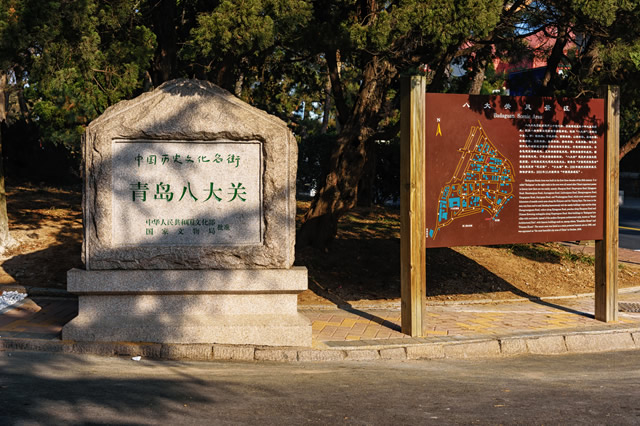
The Badaguan Scenic Area is located in the eastern part of Huiquan, Taipingjiao, Qingdao City, Shandong Province, and is a famous scenic and health resort area in my country.
Spanning over 70 hectares, ten quiet and cool avenues crisscross the area, with its main avenues named after eight famous passes in my country, collectively known as "Badaguan" (Eight Great Passes). Badaguan also boasts numerous villas with architectural styles from various countries, showcasing styles from over 20 nations including Russian, British, French, German, American, Danish, Greek, Spanish, Swiss, and Japanese. It is thus also known as the "World Architecture Expo." This area, known as "Qingdao Badaguan Modern Architecture," was designated a National Key Cultural Relics Protection Unit by the State Council on June 25, 2001. Badaguan, with its undulating terrain, lush vegetation, fresh air, and elegant environment, features nearly a hundred uniquely styled Western-style villas, exquisite courtyards and green spaces, and streets lined with flowers and trees, making it a renowned resort and scenic area both domestically and internationally.
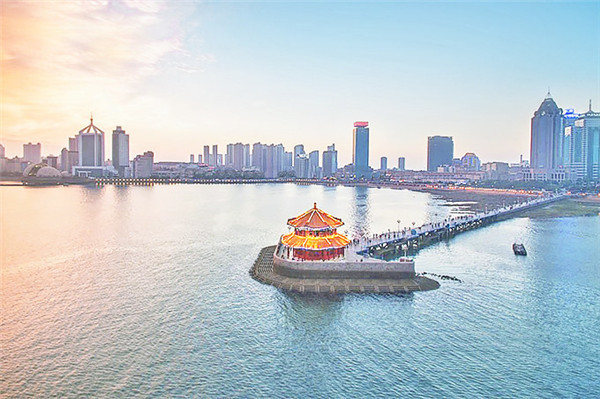
Badaguan is the scenic area that best embodies the characteristics of Qingdao: "red tiles, green trees, blue sea and blue sky". The name "Badaguan" might be misinterpreted by outsiders as referring to eight passes; most locals probably also think it refers to eight strips of land with "..."The roads are marked with the character "关" (Guan). However, there are actually ten passes in total: Ningwu Pass, Zijing Pass, Shaoguan Pass, Hangu Pass, Jiayuguan Pass, Wusheng Pass, Juyong Pass, Linhuai Pass, Zhengyang Pass, and Shanhaiguan Pass. These roads crisscross, forming a scenic area spanning several square kilometers. The eight passes together have over 40 public green spaces, covering approximately 60,000 square meters. The distinctive feature of the "Eight Great Passes" area is its combination of parks and courtyards, with lush trees and flowers blooming year-round along the ten main roads. The area boasts over 400 species of trees. Shaoguan Road is entirely planted with peach trees, which bloom in spring, their pink blossoms like ribbons; Zhengyangguan Road is covered with crape myrtle, blooming in summer; Juyongguan Road is lined with maple trees, their leaves turning red in autumn, adding to the beauty; Zijingguan Road is flanked by rows of evergreen cedars; and Ningwuguan Road is covered with crabapple trees. From early spring to late autumn, these trees bloom continuously, earning it the nickname "Flower Street." 14. Zhucheng Dinosaur Museum Zhucheng Dinosaur Museum, located at the western end of Mizhou Road in Zhucheng City, Weifang City, Shandong Province, is a county-level dinosaur museum in my country. Situated within the scenic Dinosaur Park, it is a major attraction. Built in 1997, the museum comprises four main sections: the Hadrosaurus Exhibition Hall, the Mysterious Dinosaur Bone Hall, the Science Popularization Experience Hall, and the Simulation Hall. It is a museum integrating the collection, display, and research of dinosaurs and other paleontology, serving as an extracurricular classroom for young people to expand their natural science knowledge, and a cultural venue for leisure, character building, and fostering public awareness of environmental protection and ecological conservation. Zhucheng Dinosaur Museum is a public institution integrating collection, display (including public works), and research on dinosaurs and other paleontology. It is the largest dinosaur-themed museum in a county-level city in my country. Located in the scenic Dinosaur Park, it is bordered by the shimmering Wei River to the north and the tallest TV tower in a county-level city north of the Yangtze River to the west. Its building covers an area of 5,400 square meters and boasts a unique style: viewed from below, it resembles eight giant dragons embracing each other, giving a sense of dynamic flight; viewed at eye level, it resembles the ancient Egyptian pyramids, creating a unique picture that blends the ancient and the modern.
15. Zoucheng Meng Temple and Meng Mansion Tourist Area
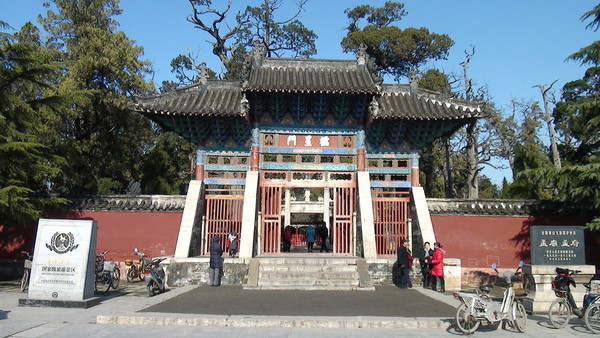
The Mencius Temple in Zoucheng, also known as the Temple of the Second Sage, is a place in my country where Mencius has been worshipped since ancient times. Adjacent to the temple is the Mencius Mansion, the residence of Mencius' direct descendants, also known as the "Mansion of the Second Sage." The Mencius Temple and Mansion in Zoucheng are among the oldest and best-preserved ancient architectural complexes in Shandong Province, and representative works of ancient architecture from the Song, Yuan, Ming, and Qing dynasties. The Mencius Temple and Mansion Tourist Area in Zoucheng is located south of Zoucheng City, Jining, Shandong Province. The temple was built in the fourth year of the Jingyou reign of the Northern Song Dynasty (1037 AD). After several renovations and expansions over the centuries, it reached its present scale, second only to the Confucius Temple in size. The Zoucheng Mencius Temple covers an area of over 60 acres and consists of five courtyards, with the main building, the "Hall of the Second Sage," at its center. It currently has 64 halls and pavilions, 2 stele pavilions, 4 wooden archways, 1 stone archway, and over 350 steles. The Meng Mansion is the residence of the direct descendants of Mencius. Together with the Meng Temple and Meng Forest in Zoucheng, it is known as one of the "Three Mengs." Located west of the Meng Temple in Zoucheng, Jining City, Shandong Province, the temple and mansion are separated by only one street. Because Mencius was posthumously honored as the "Second Sage of Zou" in 1331 (the second year of the Zhishun reign of Emperor Wenzong of Yuan), the mansion is also known as the "Second Sage's Mansion." The Meng Mansion is one of the largest, best-preserved, and most typical ancient architectural complexes and feudal landlord manors in China, combining official residence and private quarters. In January 1988, the Meng Mansion and the Meng Temple were designated as the third batch of National Key Cultural Relics Protection Units by the State Council. The exact date of the initial construction of the Meng Mansion is unknown, but it is speculated to have been built in 1037 (the fourth year of the Jingyou reign of the Song Dynasty), at the same time as the construction of the Meng Temple. In 1121 (the third year of the Xuanhe reign of the Song Dynasty), when the Meng Temple was relocated to the south of the city for the third time, the Meng Mansion was also relocated to the west of the Meng Temple. The Meng Mansion is rectangular in plan. Initially small, it underwent several renovations and expansions throughout the ages, eventually forming a seven-courtyard complex by the early Qing Dynasty. The front section consisted of three large courtyards, while the rear section had three sections on the left, center, and right. The main building, the "Great Hall," served as the boundary, with the front being the official residence, the center the inner quarters, and the rear a garden. The architectural style was a front hall and rear sleeping quarters. It comprised 148 rooms, including towers, halls, pavilions, and chambers. It measured 226 meters north to south and 99 meters east to west, covering approximately 65.3 acres, with a total area of approximately 22,400 square meters.