
Tourism, China, HeNan
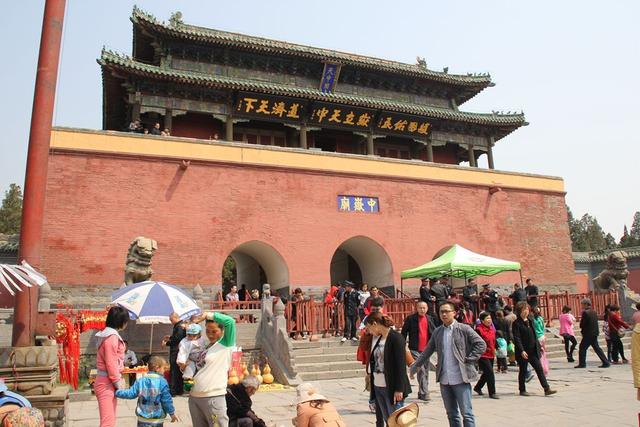
Zhongyue Temple
According to records, Zhongyue Temple was originally called "Taishi Shrine," built between 221 BC and 207 BC as a place to worship the god of Mount Taishi. Later, during the Northern Wei Dynasty, it was renamed "Zhongyue Temple" and became a Taoist activity center.
Unfortunately, Zhongyue Temple was destroyed by fire in 1644 (the 17th year of the Chongzhen reign of the Ming Dynasty). The existing temple buildings are all from the Qing Dynasty reconstruction. Currently, Zhongyue Temple covers an area of approximately 117,000 square meters and has more than 400 existing halls, pavilions, and stele pavilions. It is the largest and best-preserved ancient architectural complex among the Five Sacred Mountains of China. 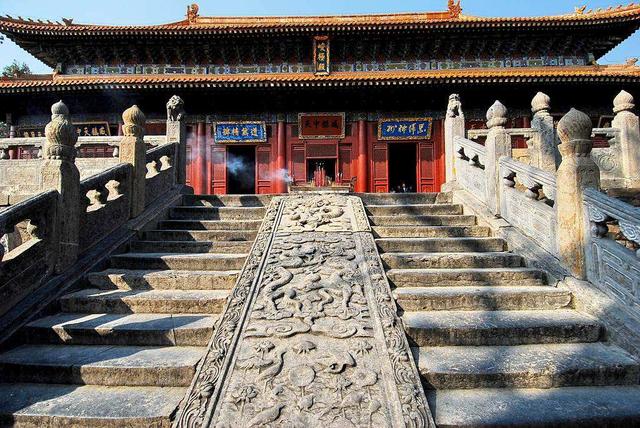
Junji Hall
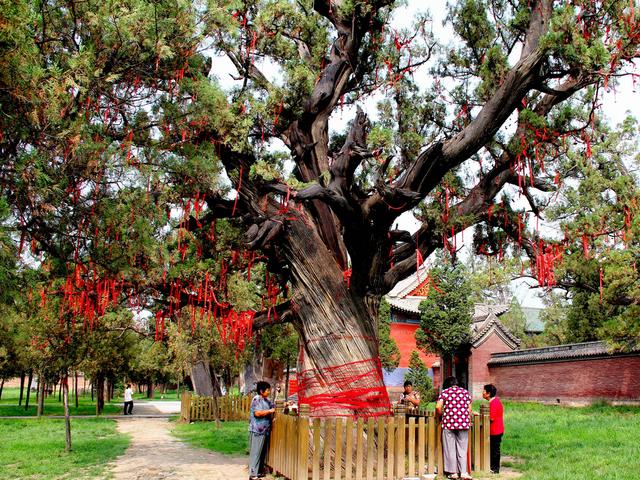
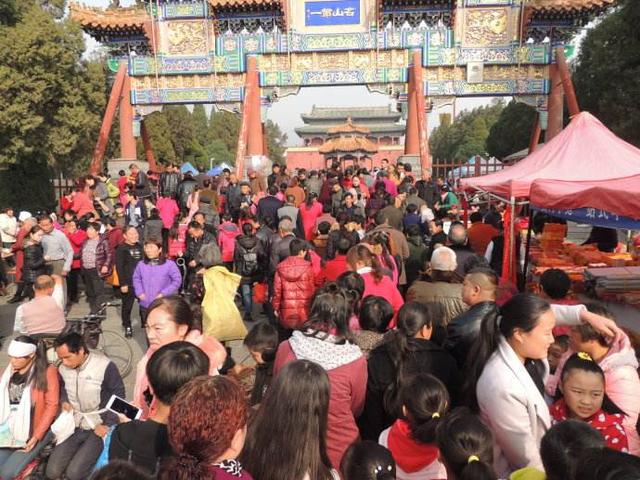
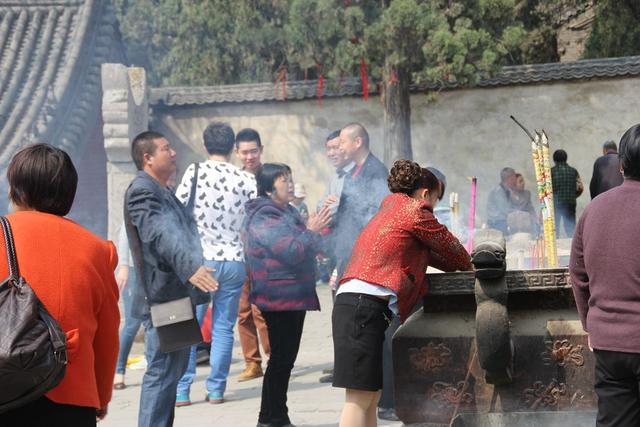
However, perhaps because Shaolin Temple is too famous, Zhongyue Temple, which is not far away, does not have many tourists on weekdays. Some say that the Taoist philosophy of tranquility and detachment has led to the saying, "Shaolin Temple is popular, while Zhongyue Temple is less so." Although there aren't many tourists, Zhongyue Temple is extremely popular. According to local elders, when burning incense in Dengfeng, locals generally go to Zhongyue Temple, while people from other places go to Shaolin Temple. The temple is especially bustling during the annual Zhongyue Temple Fair.
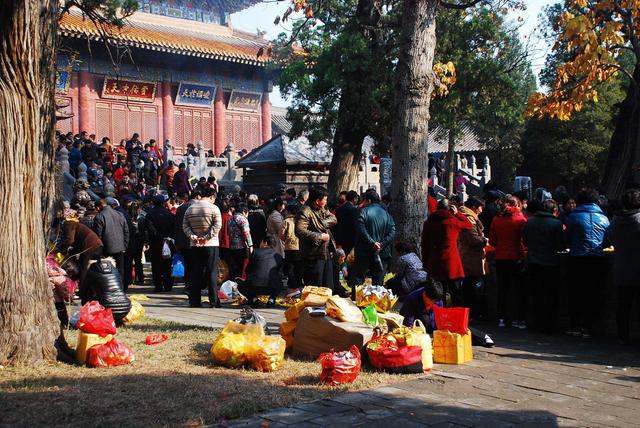
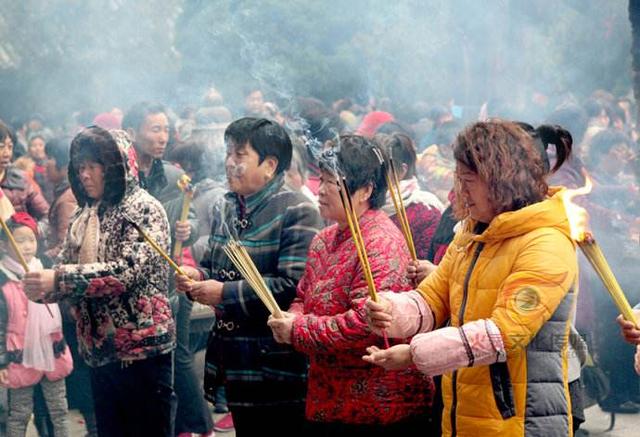
It is understood that Dengfeng City holds the Zhongyue Temple Fair every year on the tenth day of the third and tenth lunar months. The fair lasts for 10 days and receives up to 200,000 visitors per day.
Tying a doll
Tying a doll is a local custom for praying for children.
The dolls are distinguished by gender. Those who wish for a child burn incense and kowtow before the statues of the Great Emperor and Goddess of Mount Song. If they want a boy, they tie a red ribbon around the neck of a boy doll; if they want a girl, they place it opposite the statue. Women, after receiving the dolls, place them at the head of their bed or under their pillows. After giving birth to a child as desired, they return to the Zhongyue Temple to offer thanks to the Goddess of Mount Song on the child's first birthday. [Image of a statue of a godfather] On the east side of the Chongsheng Gate of the Zhongyue Temple, there are four iron figures. It is understood that these four iron figures are the largest, best-preserved, and most exquisitely crafted cast iron artworks in my country, revered as the "treasures of Mount Song." According to local elders, the people of Dengfeng hold these four iron figures in high esteem and regard them as guardian deities. Whenever a child is born and reaches their first birthday, a "lock-hanging" ceremony is held before the iron figures at the Zhongyue Temple. It is believed that the child will be protected by the iron figures and will enjoy peace and health from then on. This custom has continued for many years; some call it "lock-hanging," while many others refer to it as "paying homage to a godfather." Touching the Iron Man 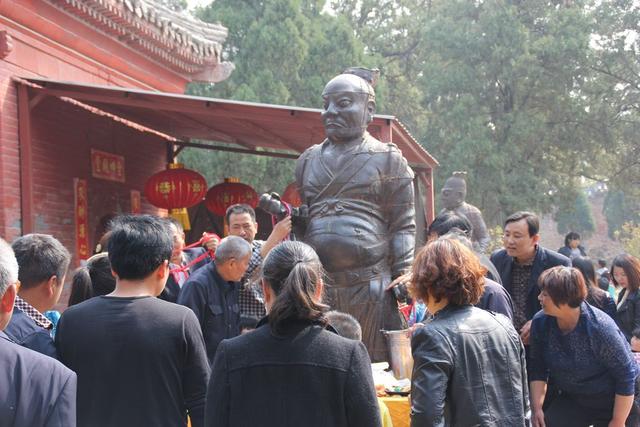
It is said that when you have pain or discomfort in any part of your body, simply touching the part of the iron man that corresponds to your own pain will alleviate or even cure the ailment. As for this claim, well, that's a matter of opinion.
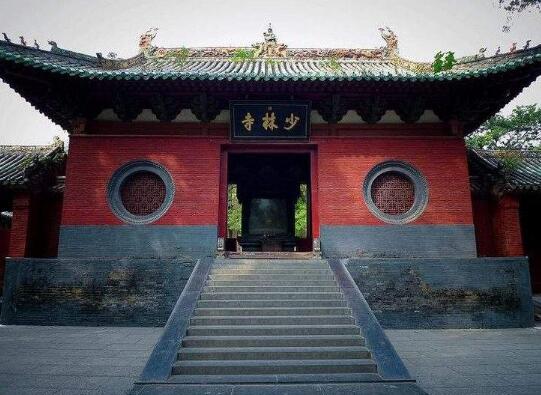
First of all, I don't need to tell you how to get to Shaolin Temple from where you are. Just open a map app on your phone, and it will guide you there. The important thing to note is that you need to navigate to the ticket gate at the north mountain pass. There is also a large parking lot there, which is a good place to park or enter the scenic area.
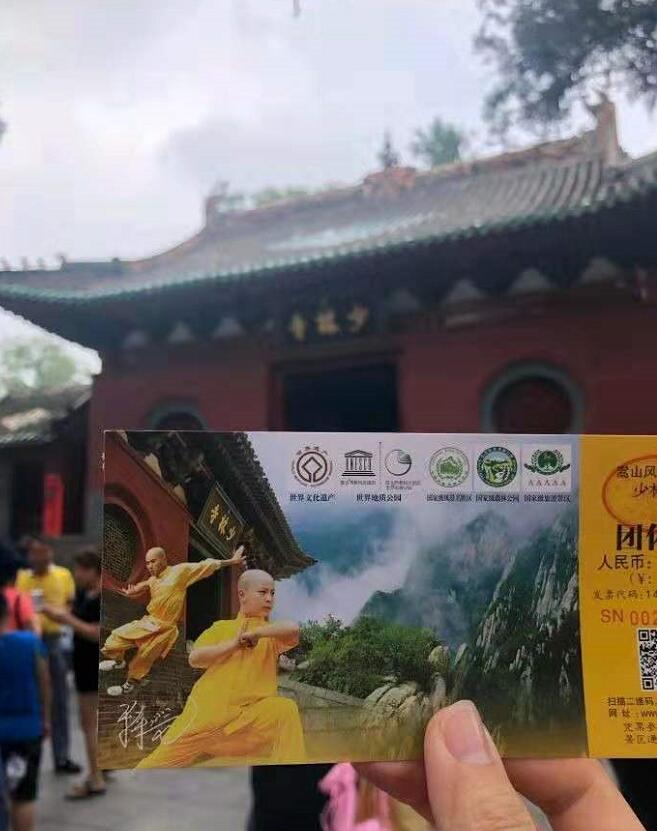
After parking the car, everyone needs to buy tickets. The tickets purchased here include the sights at the foot of the mountain and on the mountain itself, including Shaolin Temple, the martial arts hall, the kung fu performance, the First Ancestor Temple, the Second Ancestor Temple, and the Bodhidharma Cave.
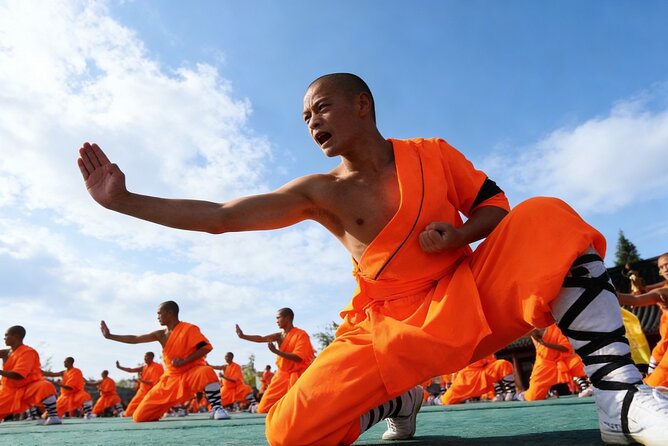
Next, let's talk about whether or not to take the shuttle bus from the ticket gate to Shaolin Temple. My suggestion is that if you have good physical strength, you can skip it, because the shuttle bus uses a dedicated lane. It's about a 20-minute walk to the entrance of Shaolin Temple, and it's all flat road, so it's not a big problem to stretch your legs. If you're lucky, you might even catch a glimpse of the students training on the drill field, which is quite a sight. Of course, I don't recommend staying too long here; just take a look at the magnificent formations and the children's passionate fighting spirit.
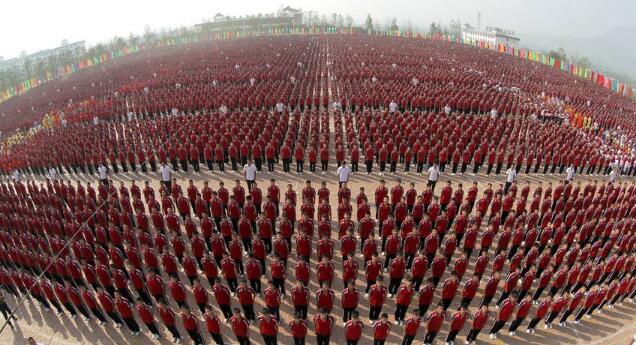
Next, you can follow the directions to the martial arts hall to watch the Shaolin Kung Fu performance (the performance time is fixed every day, roughly starting on the hour), go to the Shaolin Temple to burn incense and pray, and visit the Pagoda Forest to see the places where eminent monks of past dynasties passed away. Here, I need to give you a tip: try not to go to the Bodhidharma Cave, because it is really far, and you have to return the same way. It's just a simple cave, so if you have high hopes, you might be disappointed, just like I was. The path there is also not easy to walk, and it gets very muddy on rainy days.
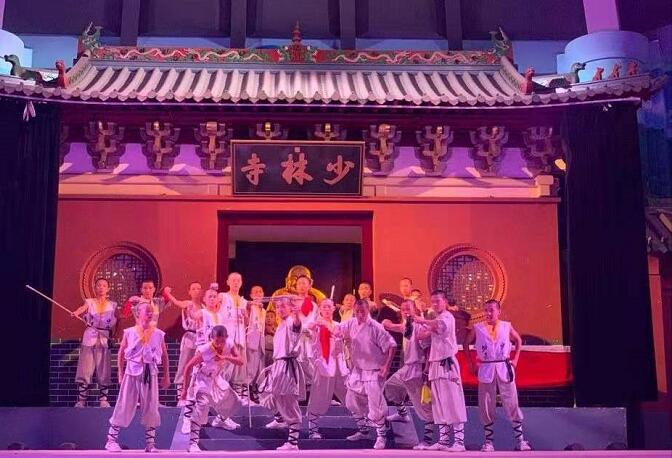
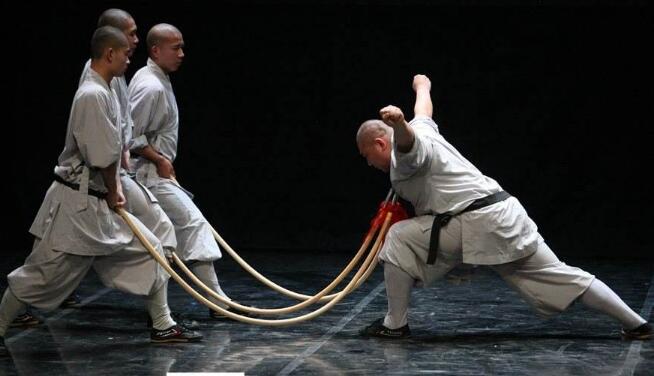
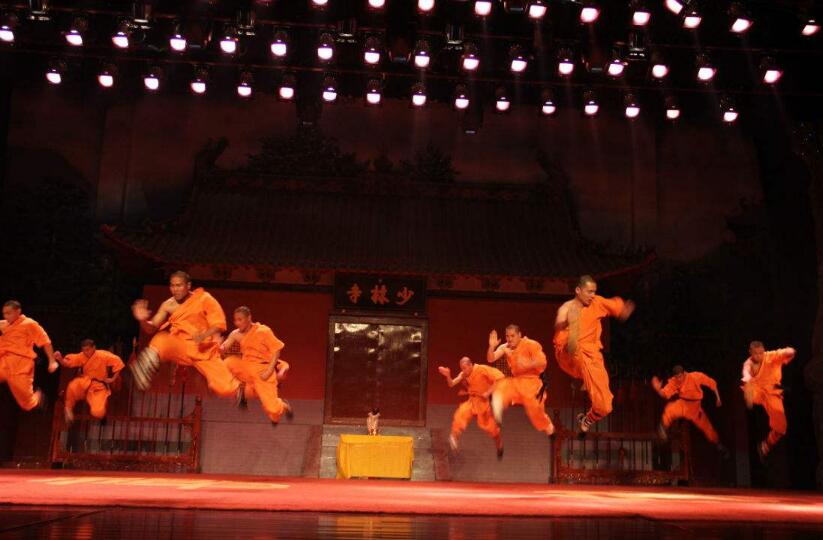
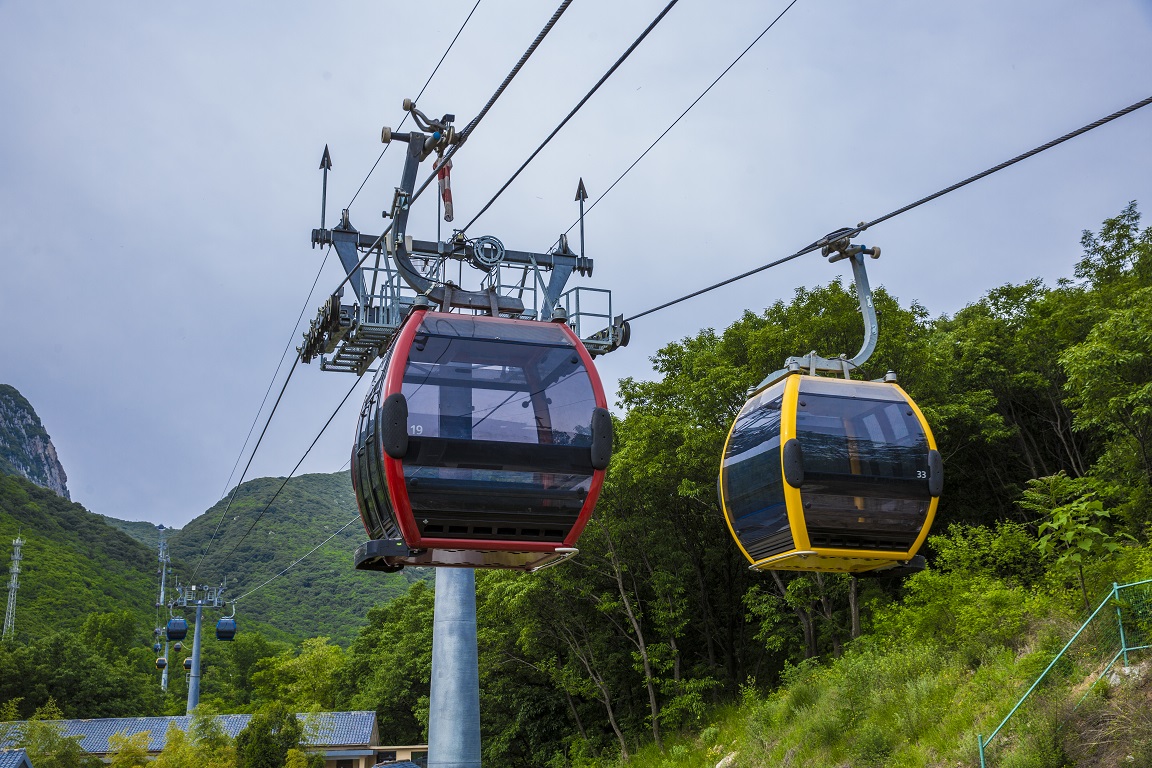 Shaolin Cableway
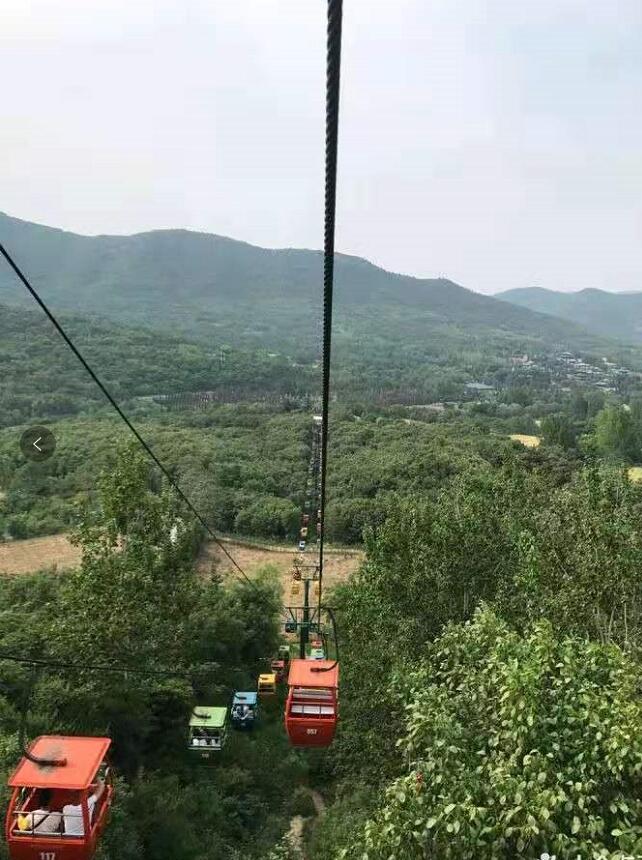 Songyang Cableway
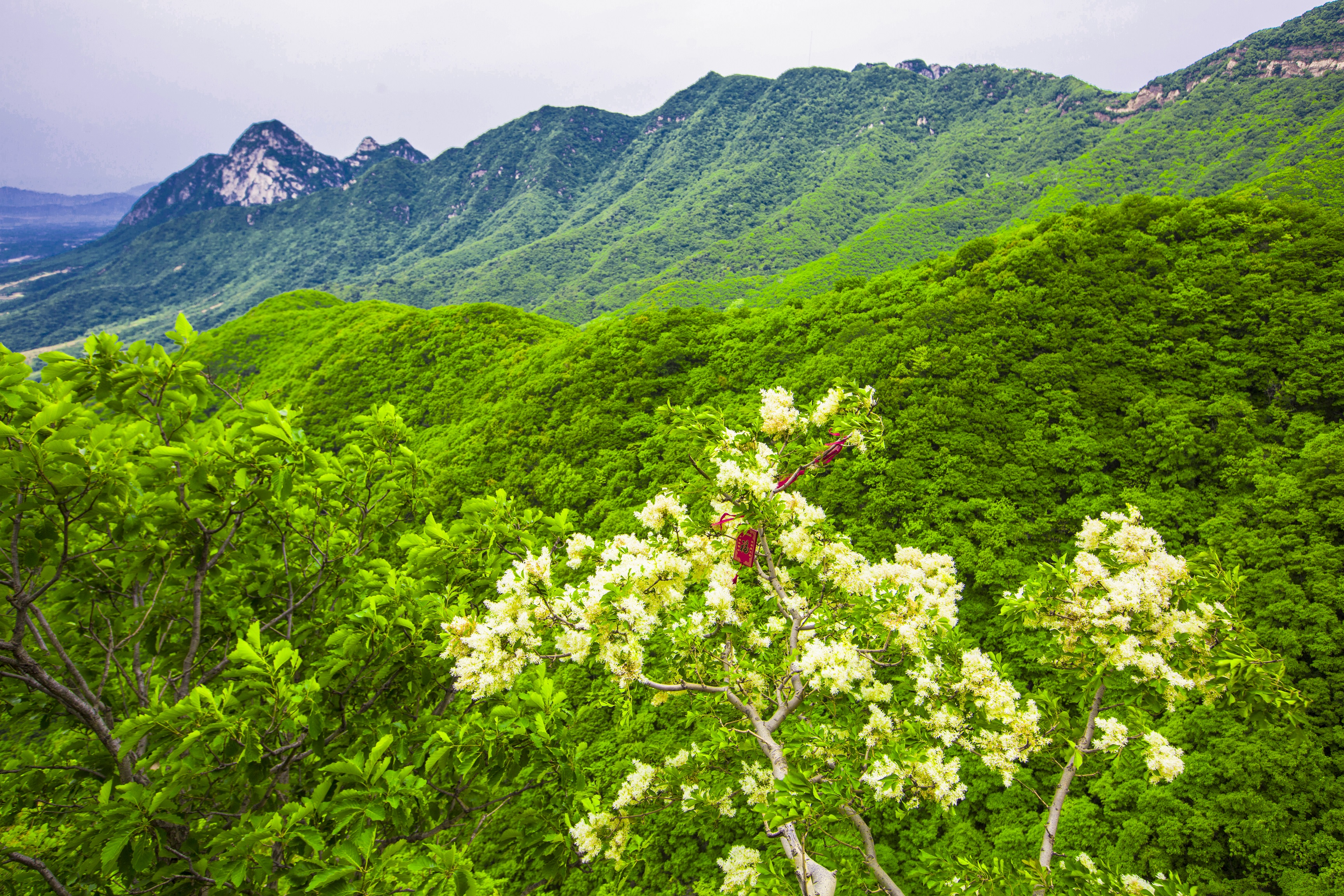
Pay attention to the key points: The Shaolin Cableway goes to the Sanhuangzhai Scenic Area, offering stunning views of Songshan Mountain's natural scenery. Depending on your stamina, you can enjoy the scenery for several hours. The Songyang Cableway goes to Erzu'an Temple, a temple with four wells representing the five flavors of the mountains (sour, sweet, bitter, and spicy), but nothing else. A quick 20-minute tour is sufficient. I recommend taking the Shaolin Cableway to the Sanhuangzhai Scenic Area to see the real Songshan Mountain; the most beautiful scenery is a little further along from the cableway exit. First, let me introduce the scenery you can see along the entire route: Shuce Cliff, Longji Gorge, Sanhuangzhai Zen Temple, Haohan Slope, and dozens of other spots, making it a great place for hiking, leisure, sightseeing, and adventure. Since it's a round trip, please be mindful of your return time based on your physical condition.
Because I've visited Shaolin Temple three times—in spring, winter, and summer—I personally feel that Shaolin Temple is beautiful in every season. Loving Shaolin Temple is like loving a lover; it's charming in every season.
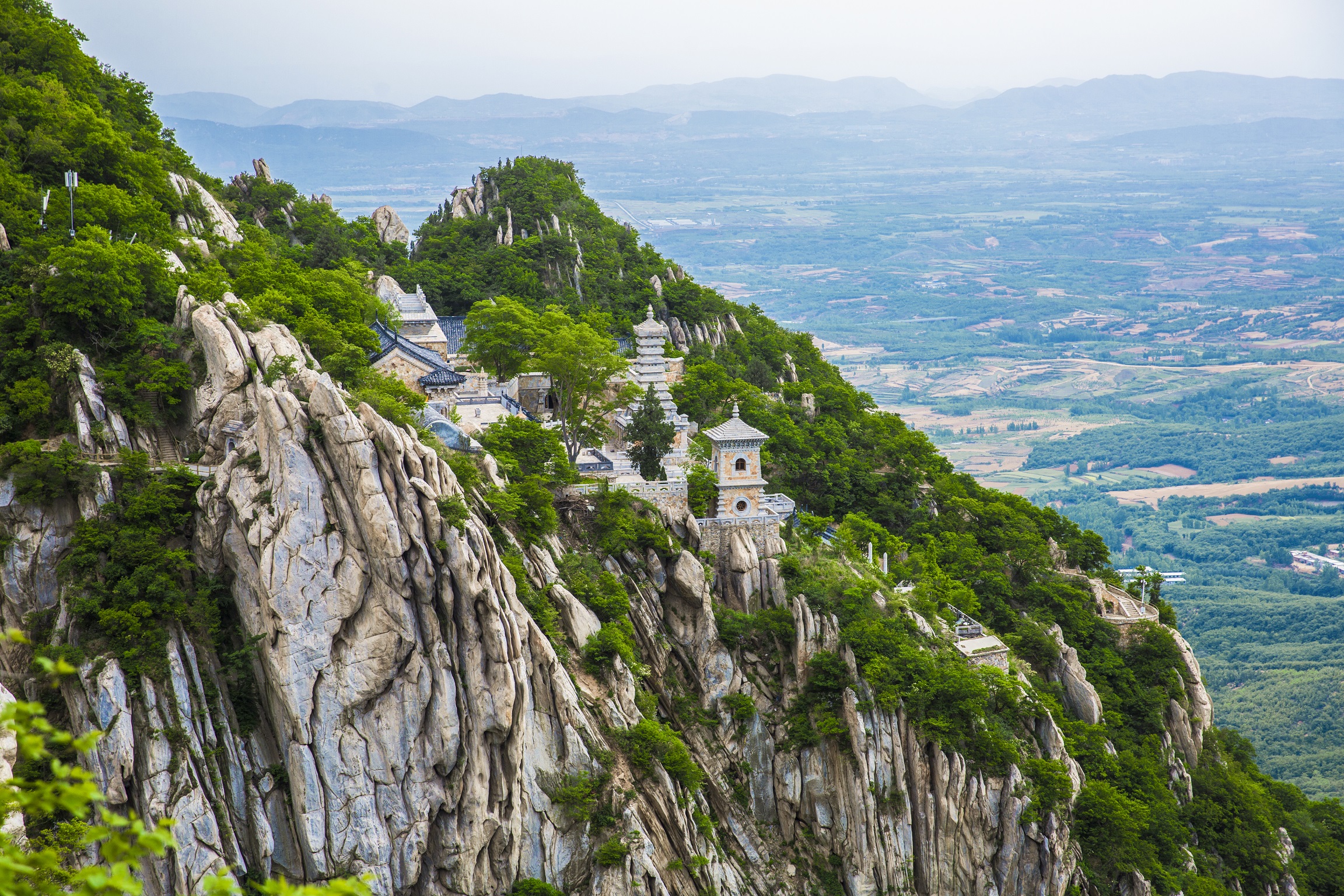
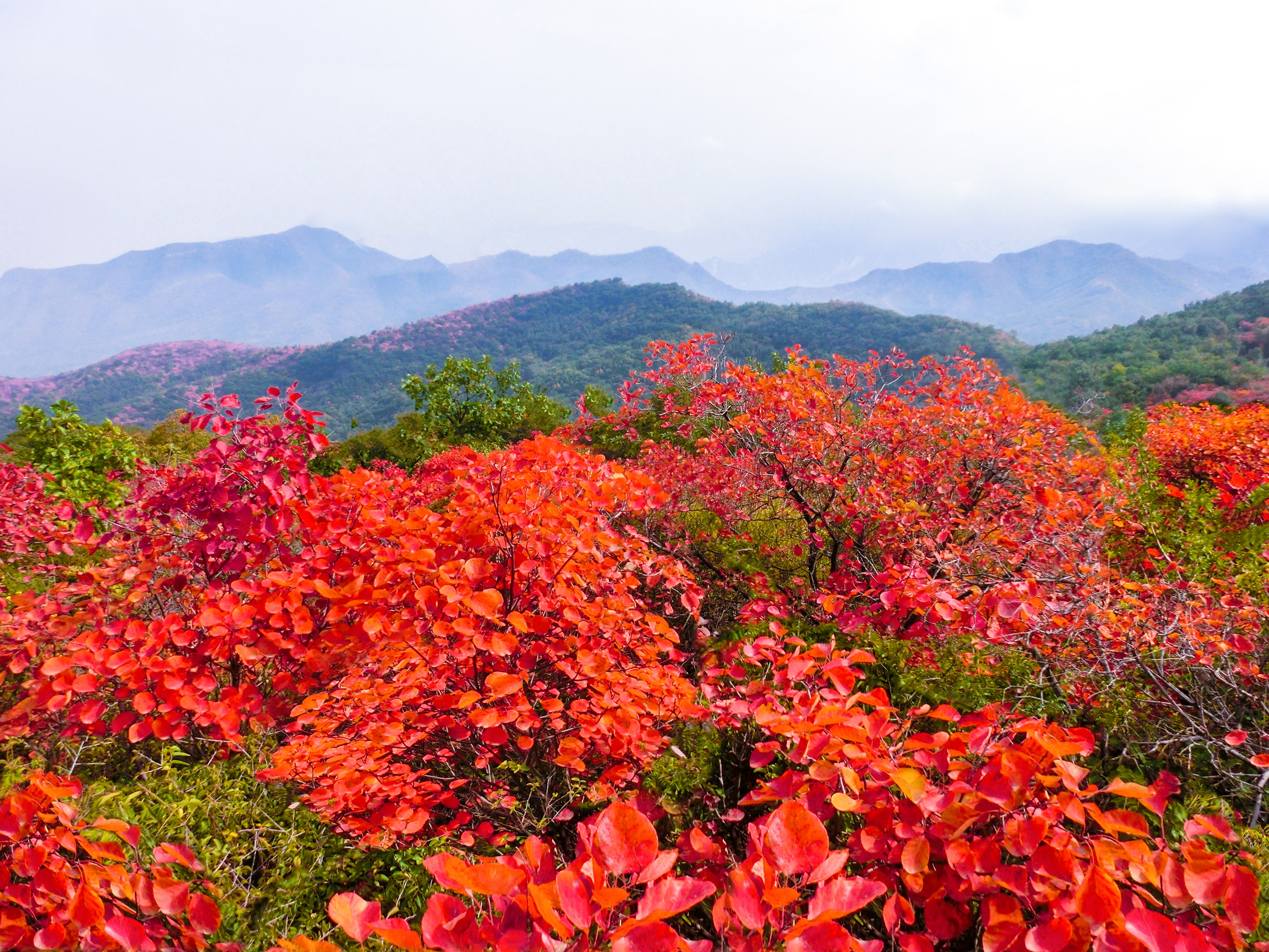
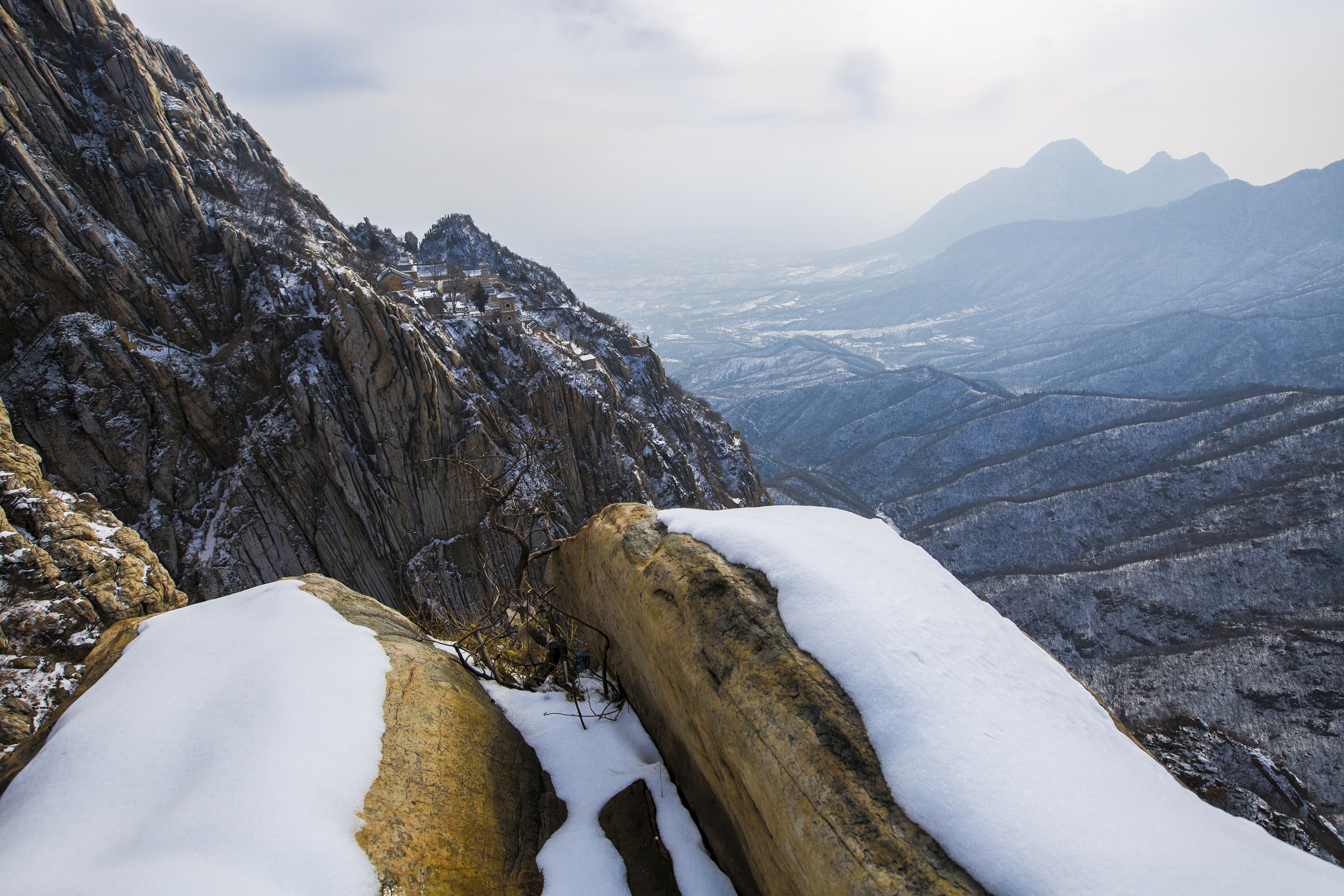
Here's a quote from someone I don't know: Shaolin Temple is truly a wonderful place to see flowers in spring, butterflies in summer, red leaves in autumn, and snow in winter. So, I strongly recommend everyone to visit it, because it's really amazing. Next, I'll introduce some representative scenic spots on Sanhuangzhai, which I painstakingly collected and compiled from the internet:
Shuce Cliff
Also known as "Wanzhang Cliff" or "Heavenly Book," it's a Proterozoic quartzite formed approximately 2.4 billion years ago, which geologists call the "Songshan Quartzite Rock Forest."
Around 1.8 billion years ago, a crustal movement—the Zhongyue Movement—occurred in the Songshan area. The originally horizontal rock layers bent, rotated, and reversed, eventually forming upright cliffs, resembling giant, thick books standing between heaven and earth. Therefore, some call them "Book Cliffs," or like sharp swords piercing the sky. Can you feel the aura of the Book Cliffs even through the screen?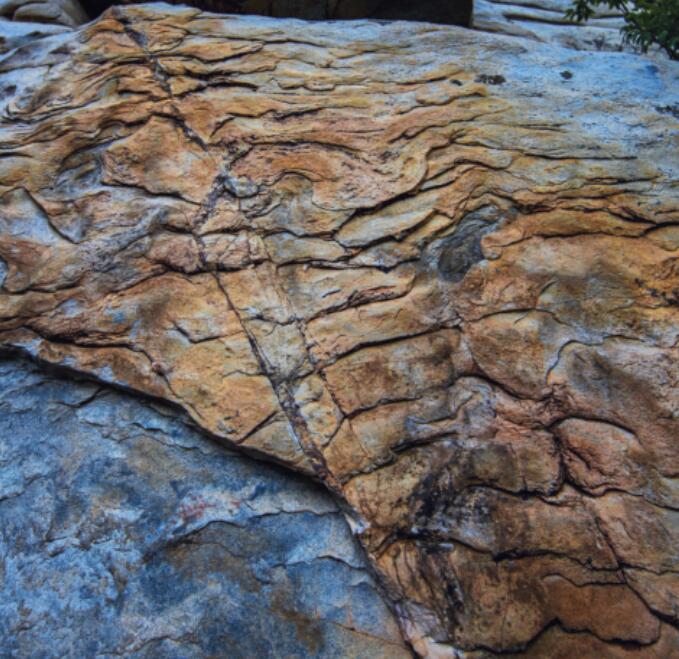
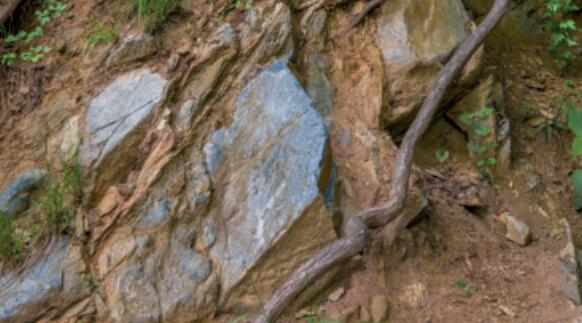
Gneiss
This is the oldest rock formation in Songshan, formed during the Neoarchean era, more than 2.5 billion years ago. Seeing such an ancient rock formation while visiting Songshan is truly an unexpected bonus! !!
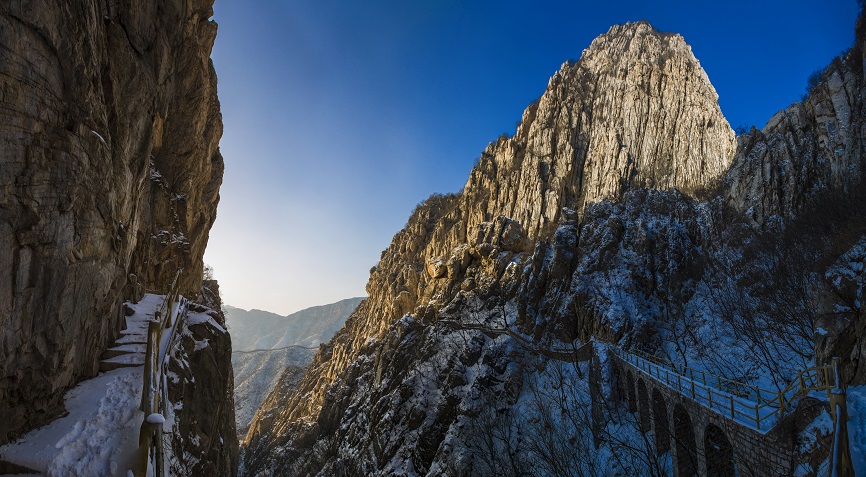
Liantian Peak
Also known as Yuzhai Mountain, it is the main peak of Shaoshi Mountain, 1512 meters high, shaped like a cone, with a straight and upright peak. Looking towards Shaoshi Mountain, Liantian Peak is in the center, surrounded by other peaks, like stars surrounding the moon. It should also be noted that the great traveler Xu Xiake was once trapped here, so he called the bottom of the cliff "Dangerous Valley". Therefore, everyone must try to concentrate on walking and take good care of the elderly and children.
Zhuojian Peak
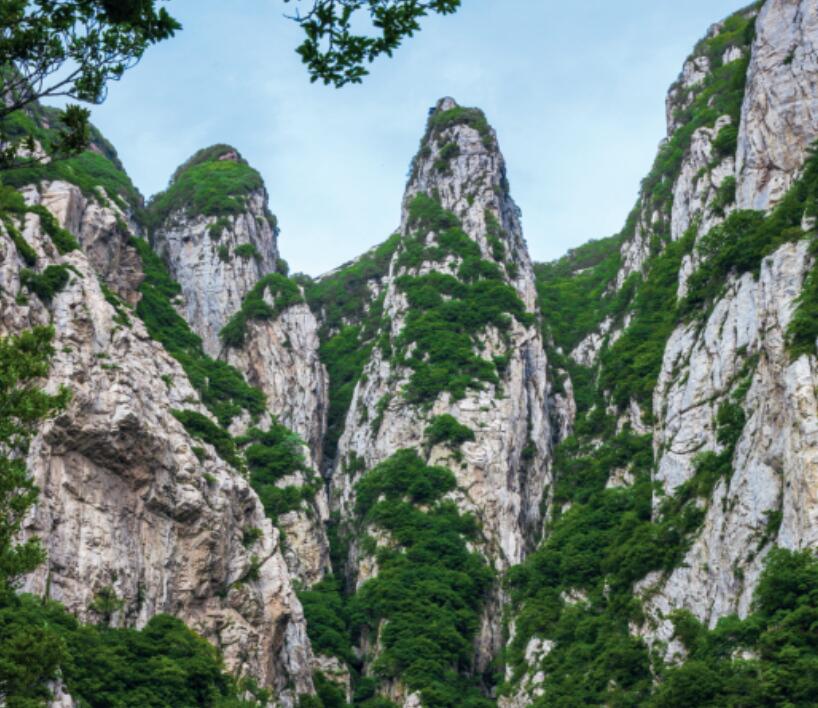
At an altitude of 1499 meters, looking east from the entrance of the Liantian Grand Canyon, Zhuojian Peak resembles a giant standing alone amidst the clouds. From a distance, Zhuojian Peak seems to display two figures, a monk and a Taoist priest, standing back to back, a rather amusing sight.
Wangluo Peak
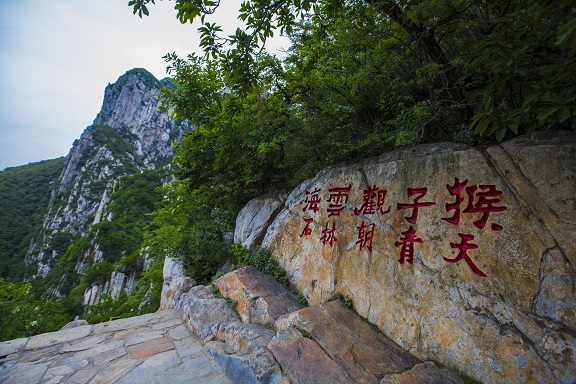
Located on the west side of Shaoshi Mountain, the peak is 1487 meters high. Standing on the summit and looking west, one can see the direction of Luoyang, the ancient capital of nine dynasties. The peak is steep and difficult to climb, so few people attempt it. However, a "stone monkey" has somehow climbed to the top and is known as "Stone Monkey Gazing at the Sky."
Elephant Trunk Rock
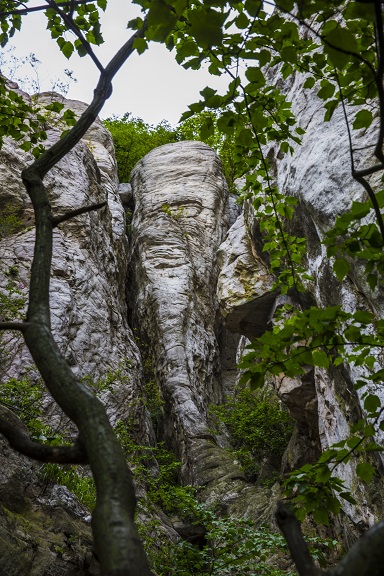
It is said to be composed of ancient Proterozoic Songshan Group rock strata. The rock strata are nearly vertical, and the erosion gullies formed are perpendicular to the rock strata, carving the west-high and east-low slopes into ridges. The nearly vertical rock gullies and the east-low slopes have carved the rock strata into long-nosed elephants, lying quietly.
Hero's Slope
Hero's Slope gets its name from Mao Zedong's saying, "He who has not climbed the Great Wall is not a true hero." Famous examples include the Great Wall Hero's Slope, Lushan Hero's Slope, and Songshan Hero's Slope. Songshan Hero's Slope has 486 steps, proudly perched on the southern slope, a veritable "baptism of fire" on the way to Sanhuangzhai. What I want to say is that climbing it really requires perseverance; without perseverance, it's impossible to climb, as it's very steep and has many steps~~
Hero's Slope
Hero's Slope gets its name from Mao Zedong's saying, "He who has not climbed the Great Wall is not a true hero." Famous examples include the Great Wall Hero's Slope, Lushan Hero's Slope, and Songshan Hero's Slope. Songshan Hero's Slope has 486 steps, proudly perched on the southern slope, a veritable "baptism of fire" on the way to Sanhuangzhai. What I want to say is that climbing it really requires perseverance; without perseverance, it's impossible to climb it, as it's very steep and has many steps~~

A Line of Sky
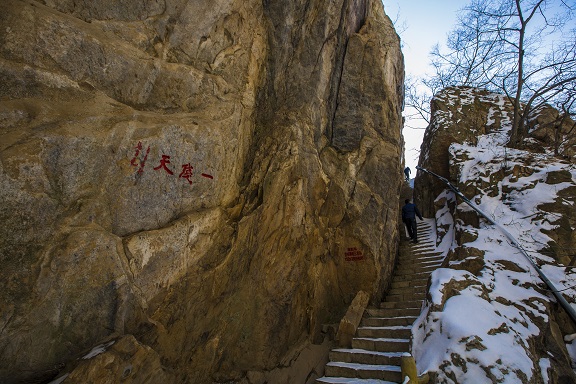
Located in the central area of Shaoshi Mountain, it was formed by the fracturing of rocks during crustal movement. The fracturing caused displacement, creating a crack about one meter wide and tens of meters long. With two walls flanking it, visitors can only see a sliver of blue sky through the crack, hence the name. Because the path is narrow and steep, visitors need to queue slowly to pass through.
Suspended Sky Cave
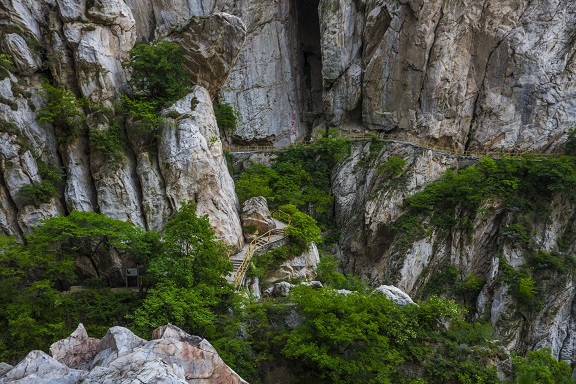
Located in the central area of Shaoshi Mountain, this naturally formed stone niche, resembling a statue, hangs high on the cliff, appearing as a niche suspended in the sky, with profound symbolic meaning.
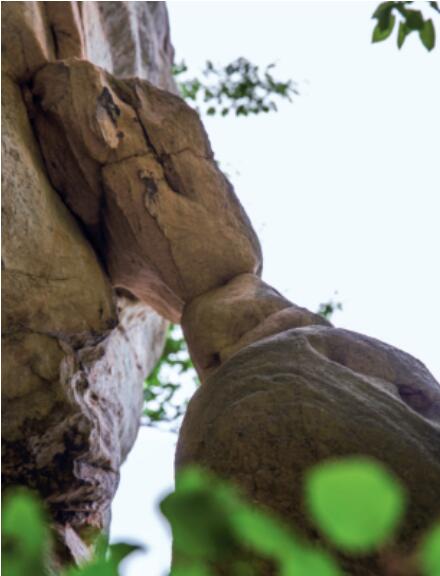
A Kiss Through a Thousand Years
"A Kiss Through a Thousand Years" is a wondrous landscape formed by billions of years of natural changes. These two strangely shaped rocks resemble a pair of lovers, facing each other, embracing and kissing, remaining inseparable for thousands of years, embodying people's beautiful wishes. Quickly bring your loved one here to take a photo and keep this beautiful moment in your heart.
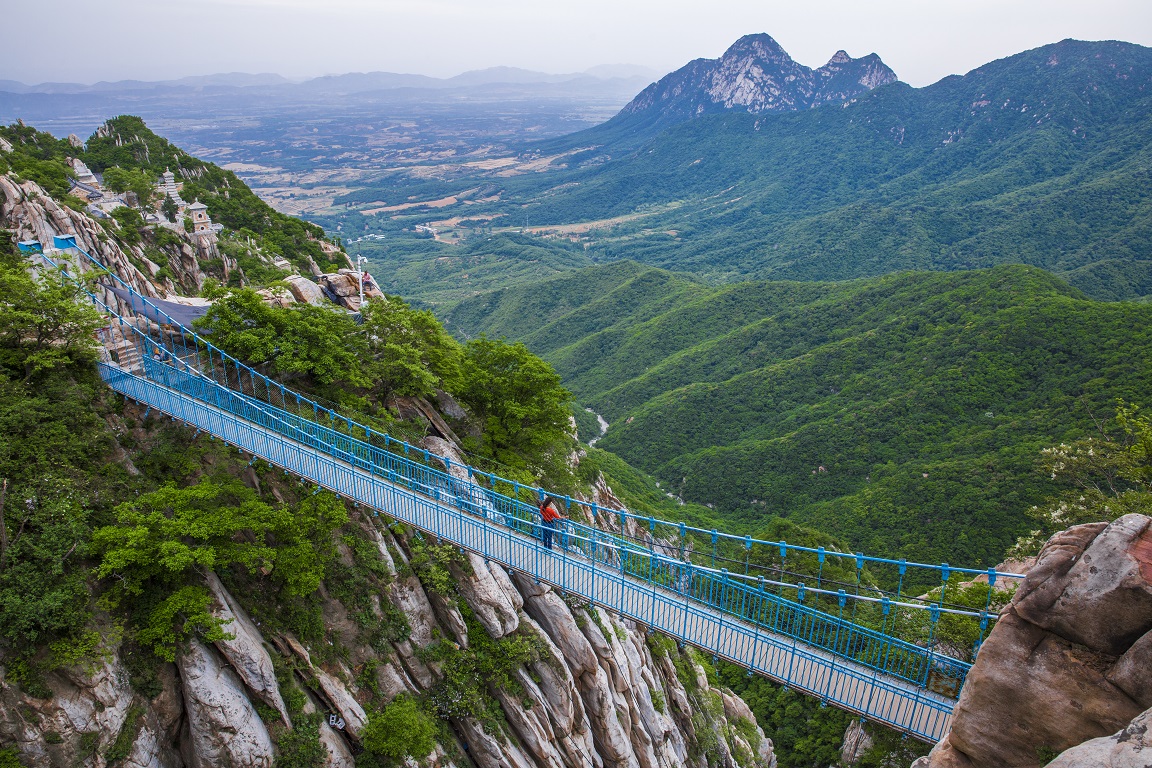
Suspension Bridge
Between high mountains and rushing streams, the slightly swaying suspension bridge often offers a unique view. If you want to overlook the stunning scenery of Songshan Mountain, you must muster the courage to step onto this suspension bridge. Those with a fear of heights shouldn't look down; just bravely walk across! However, standing on the suspension bridge, looking up, down, left, and right, while your legs may feel weak, you will also marvel at the wonders of nature.
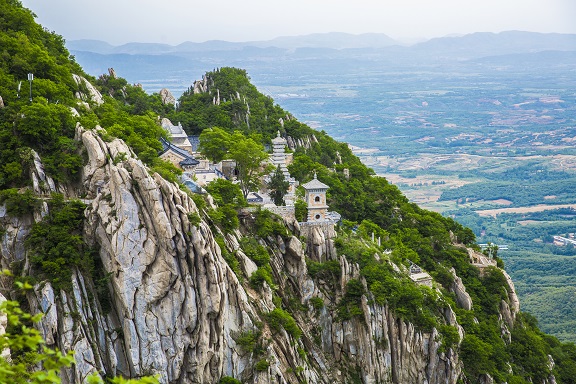
Sanhuangzhai
Sanhuangzhai, a rare natural landscape in northern my country, was named to commemorate the three legendary emperors (Heavenly Emperor, Earthly Emperor, and Human Emperor) for their pioneering work in the Songshan area.
You can experience the tranquility of meditating atop a high mountain even through the screen; it's truly a unique experience!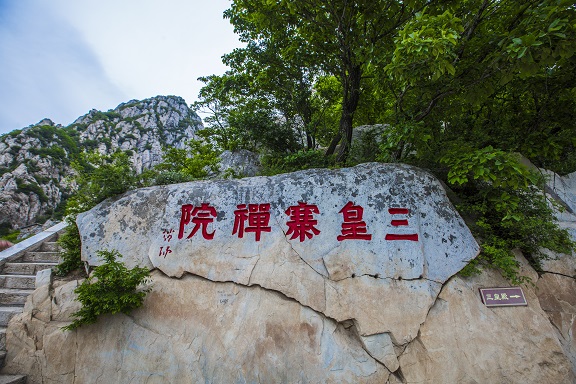
In conclusion: A visit to Shaolin Temple definitely allows you to experience the rich cultural heritage and scenic beauty of the ancestral home of Chinese Zen Buddhism and the birthplace of Chinese Kung Fu.