
Tourism, China, ShanXI
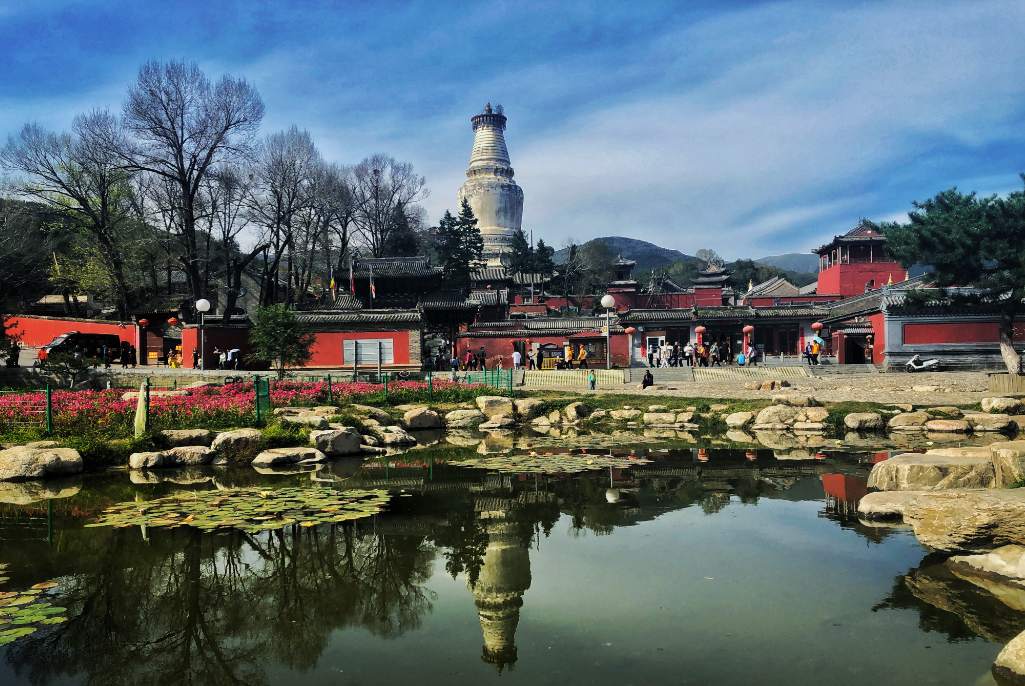
For underground cultural relics, look to Shaanxi; for above-ground cultural relics, look to Shanxi.
As a travel blogger, how can I not visit Shanxi?
The timing is perfect, please join me on this journey!
If we can't visit all the attractions, let's start by exploring a few cities!
Travel Route
Land at Taiyuan Wusu International Airport - Rent a car and drive - Pingyao Ancient City in Jinzhong - Qiao Family Compound in Qixian County, Jinzhong - Shangdang Gate in Changzhi - Tianxia Ducheng Huang Temple - Huangcheng Xiangfu.
Land at Taiyuan Wusu International Airport - Rent a car and drive - Pingyao Ancient City in Jinzhong - Qiao Family Compound in Qixian County, Jinzhong - Shangdang Gate in Changzhi - Tianxia Ducheng Chenghuang Temple - Huangcheng Xiangfu.
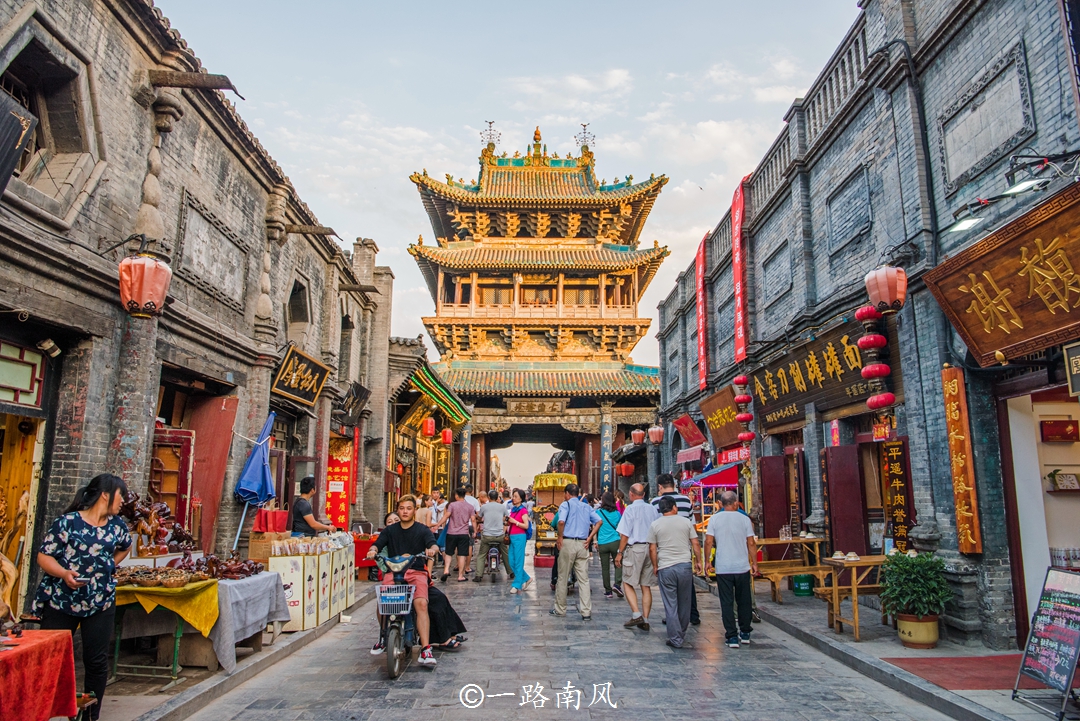
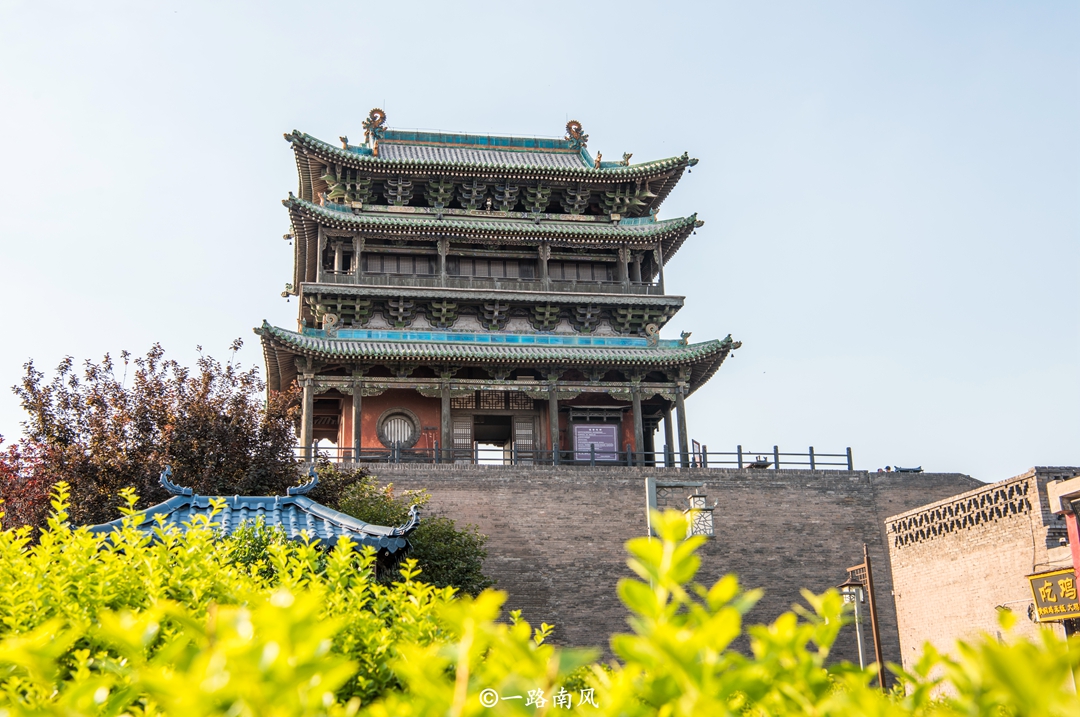
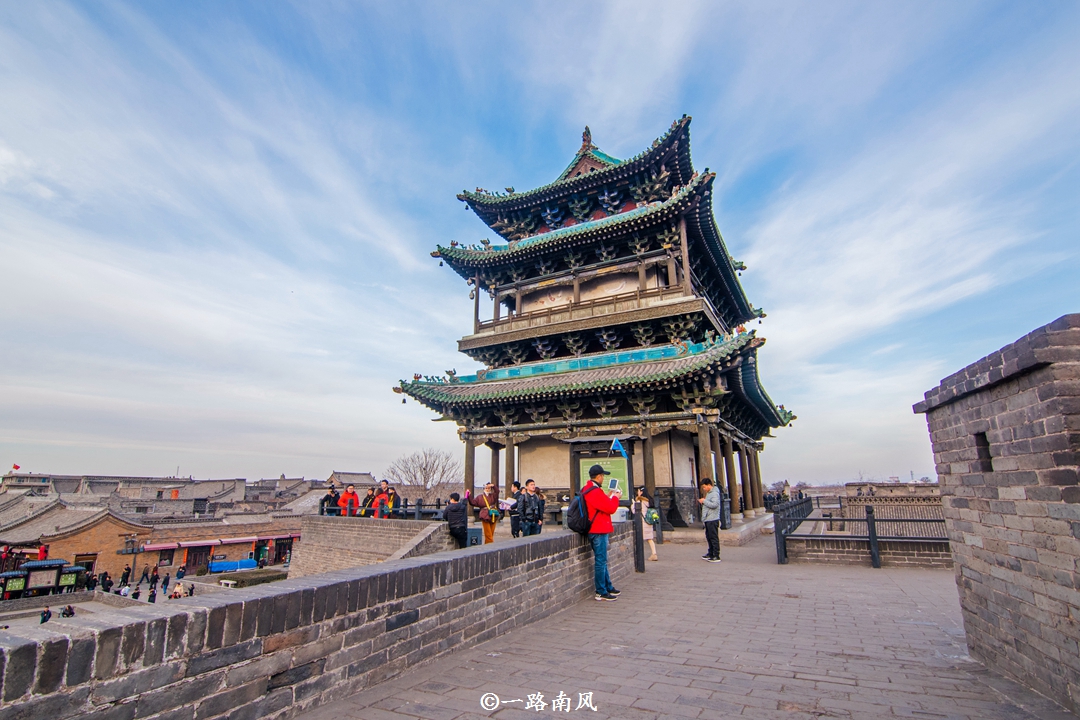
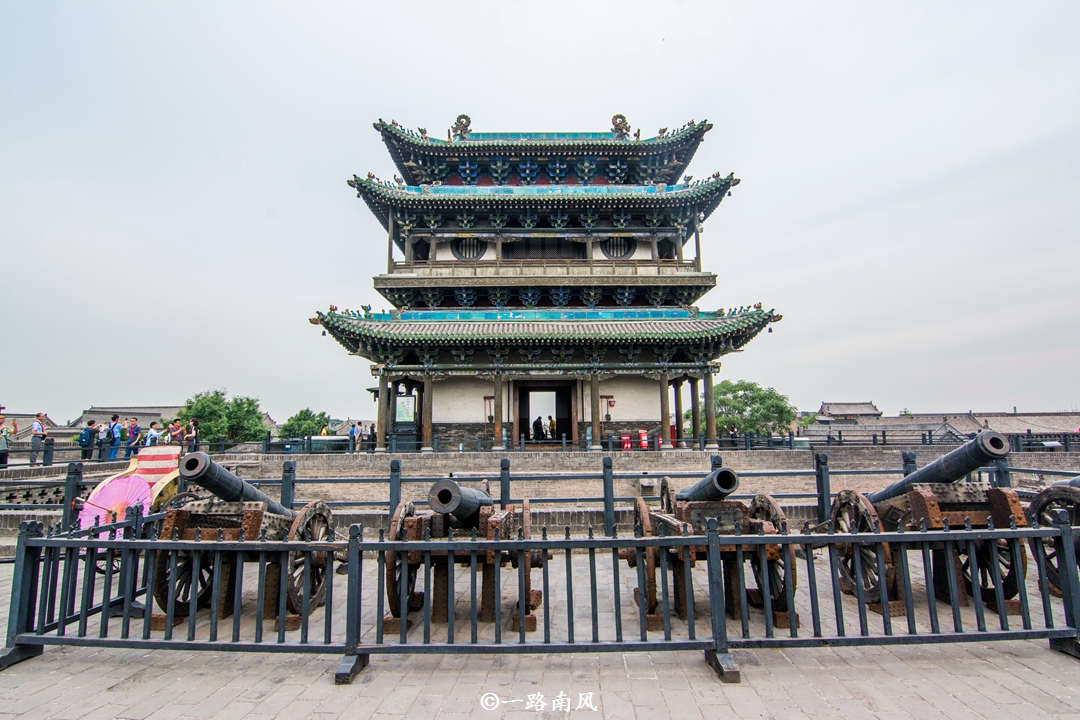
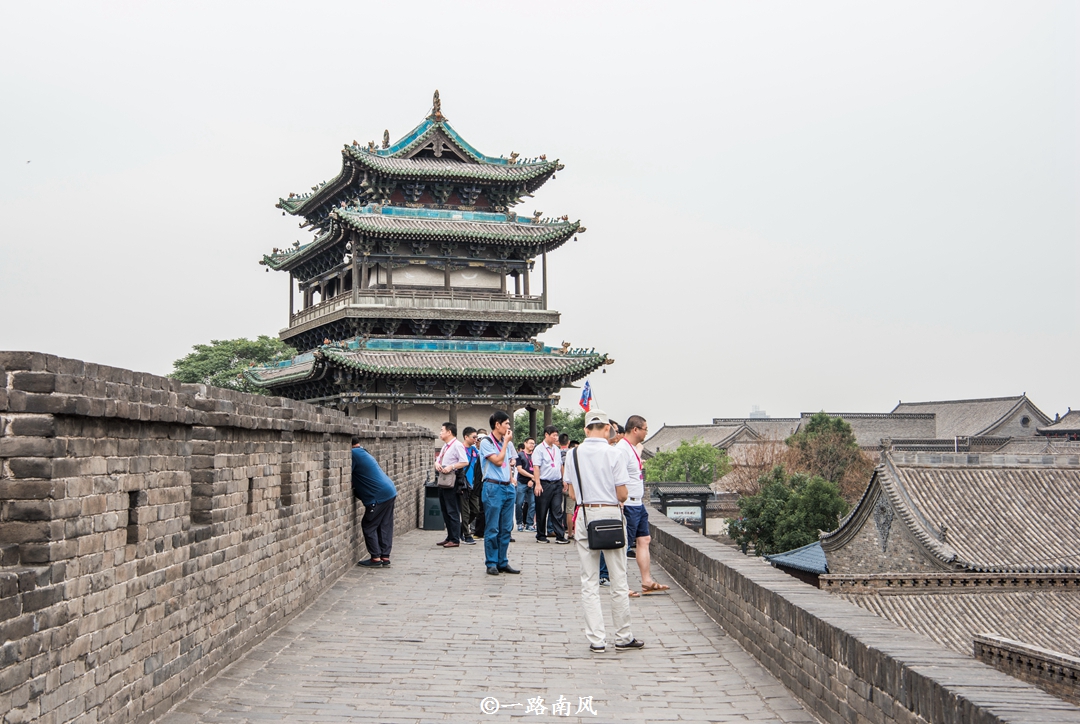
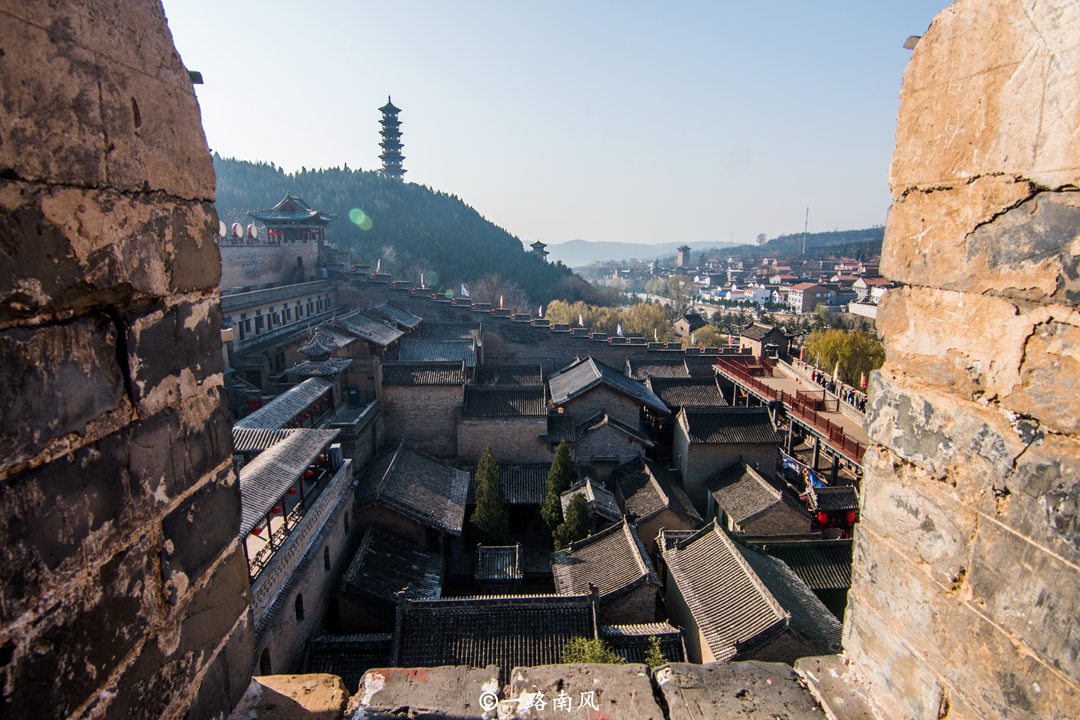
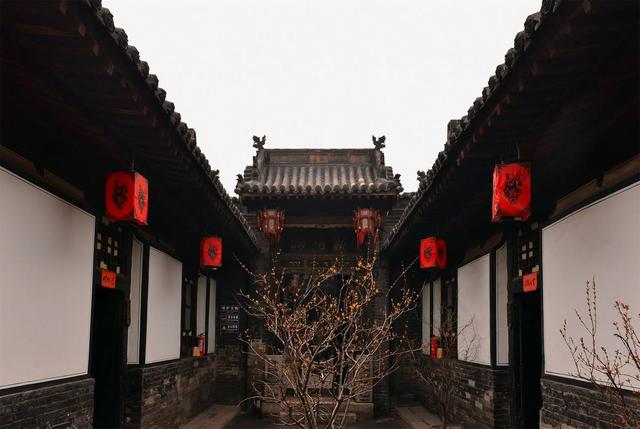
The itinerary includes two days in Pingyao Ancient City, half a day at Qiao Family Compound, one day and one night in Changzhi, and half a day in Jincheng. The first two nights will be spent in Pingyao Ancient City, the third night in Changzhi, and the journey will begin in Jincheng. The official journey starts in Pingyao Ancient City. China has many ancient cities, but Pingyao Ancient City, entirely listed as a World Heritage Site, is quite unique. Pingyao Ancient City is one of the four best-preserved ancient cities in my country; every corner is filled with history, and every street, every house, and every artifact is unique. There are over twenty attractions here. One day definitely isn't enough to see them all; you can only pick the highlights. Pingyao Ancient City Wall When visiting Pingyao, a visit to the ancient city wall is a must. It's one of the four best-preserved ancient city walls in my country, boasting a grand and magnificent architectural style. The classical city gate towers and market towers face each other across the landscape. Standing on the ancient city wall, you can overlook the entire ancient city of Pingyao.
Pingyao County Government Office
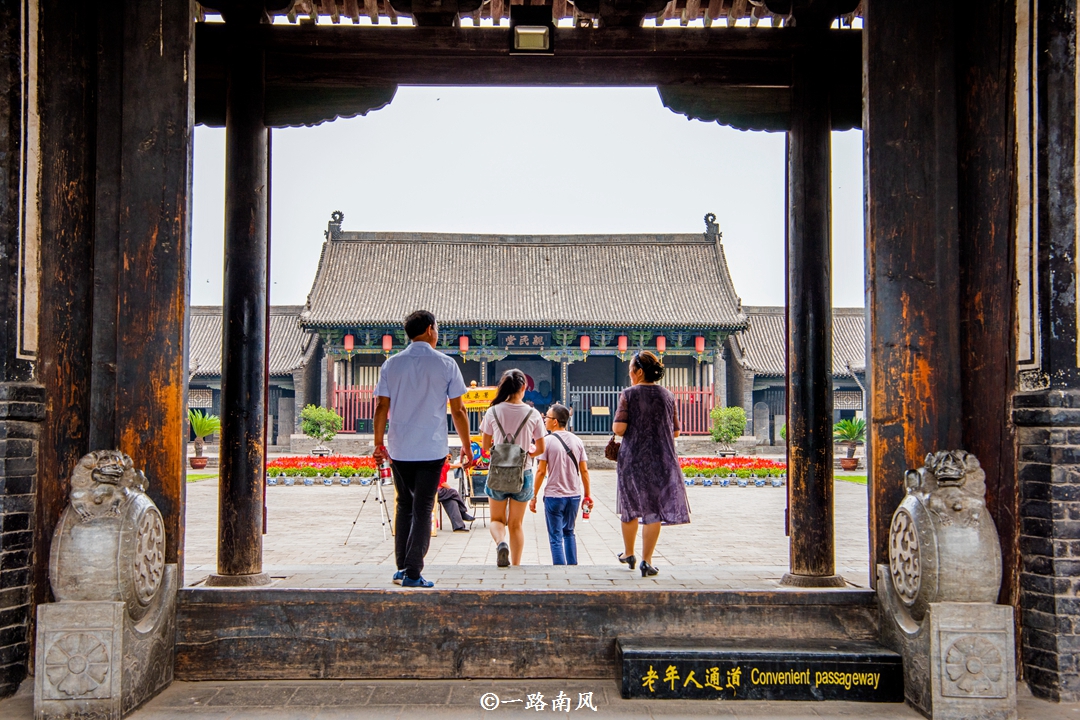
Another must-see attraction in Pingyao Ancient City is the ancient county government office located in the center of the ancient city.
This county government office has a history of over 1000 years, with the oldest existing building dating back to 1346.
The entire county government office covers an area of over 26,000 square meters, making it the largest existing county government office in the country, a fact that surprises many. Walking into the ancient Pingyao County Government Office, strolling through the various courtrooms and the back garden, feels like stepping into a movie. The largest number of historical sites in Pingyao Ancient City are various types of banks and security escort agencies, the most representative being Rishengchang, which was China's first bank. Banks predate banks; while banks were an "imported" business model, banks were a "Chinese invention." Pingyao Rishengchang, also known as the China Banknote Museum, offers insights into the development history of China's banknote industry, as well as the rise and fall of the Rishengchang family's owners and managers.
Xietongqing Bank
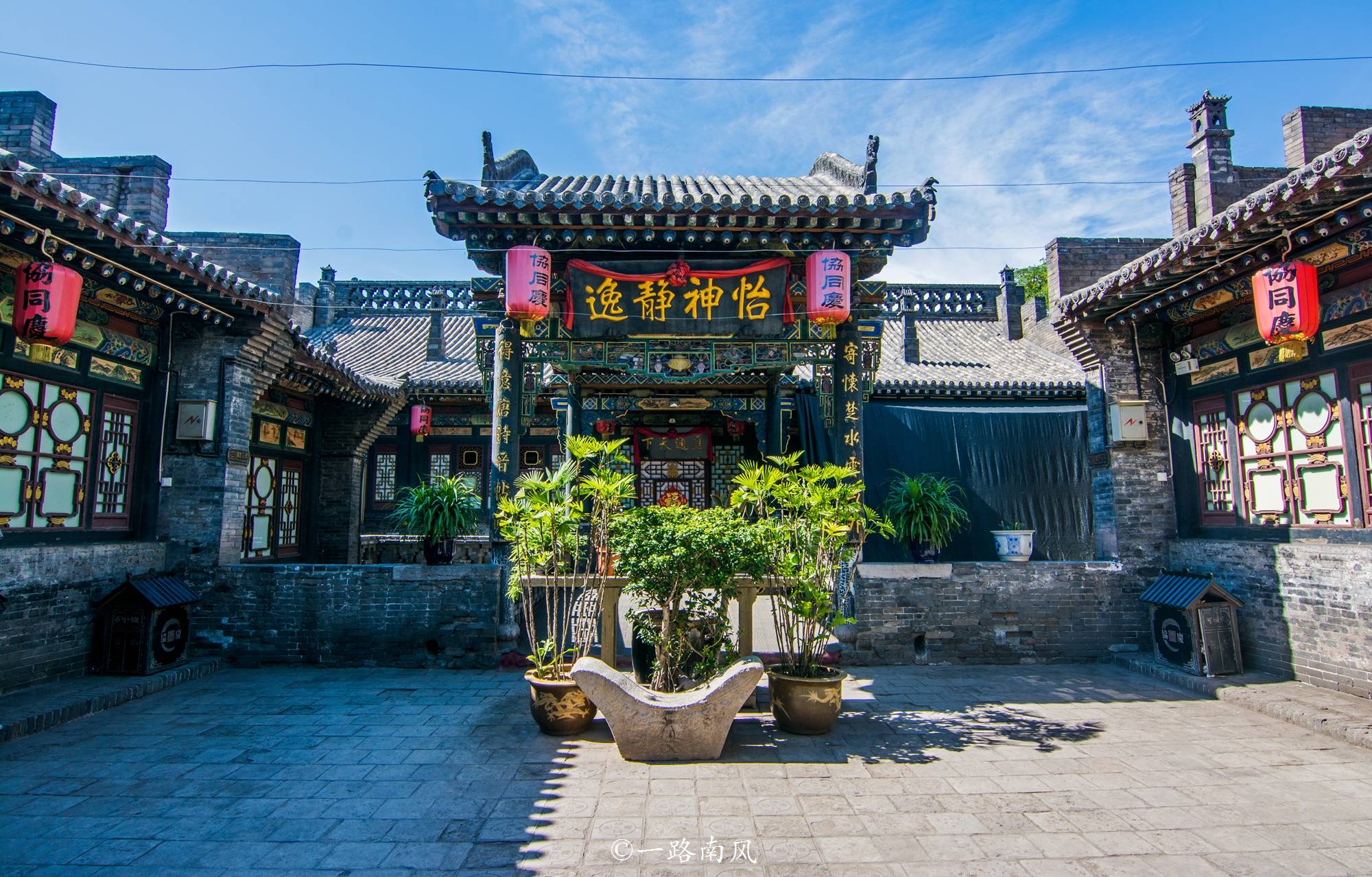
Another representative bank in Pingyao Ancient City is Xietongqing, founded in 1856. It existed for only 57 years, a relative newcomer to the local bank industry. With an initial capital of only 36,000 taels, it achieved great success with a small investment, demonstrating the unparalleled ability and courage of its owners and managers.

Another representative bank in Pingyao Ancient City is Xietongqing, founded in 1856. It existed for only 57 years, a relative newcomer to the local bank industry. Its initial capital was only 36,000 taels, yet it achieved great success with a small investment. The ability and courage of its owners and managers were extraordinary.
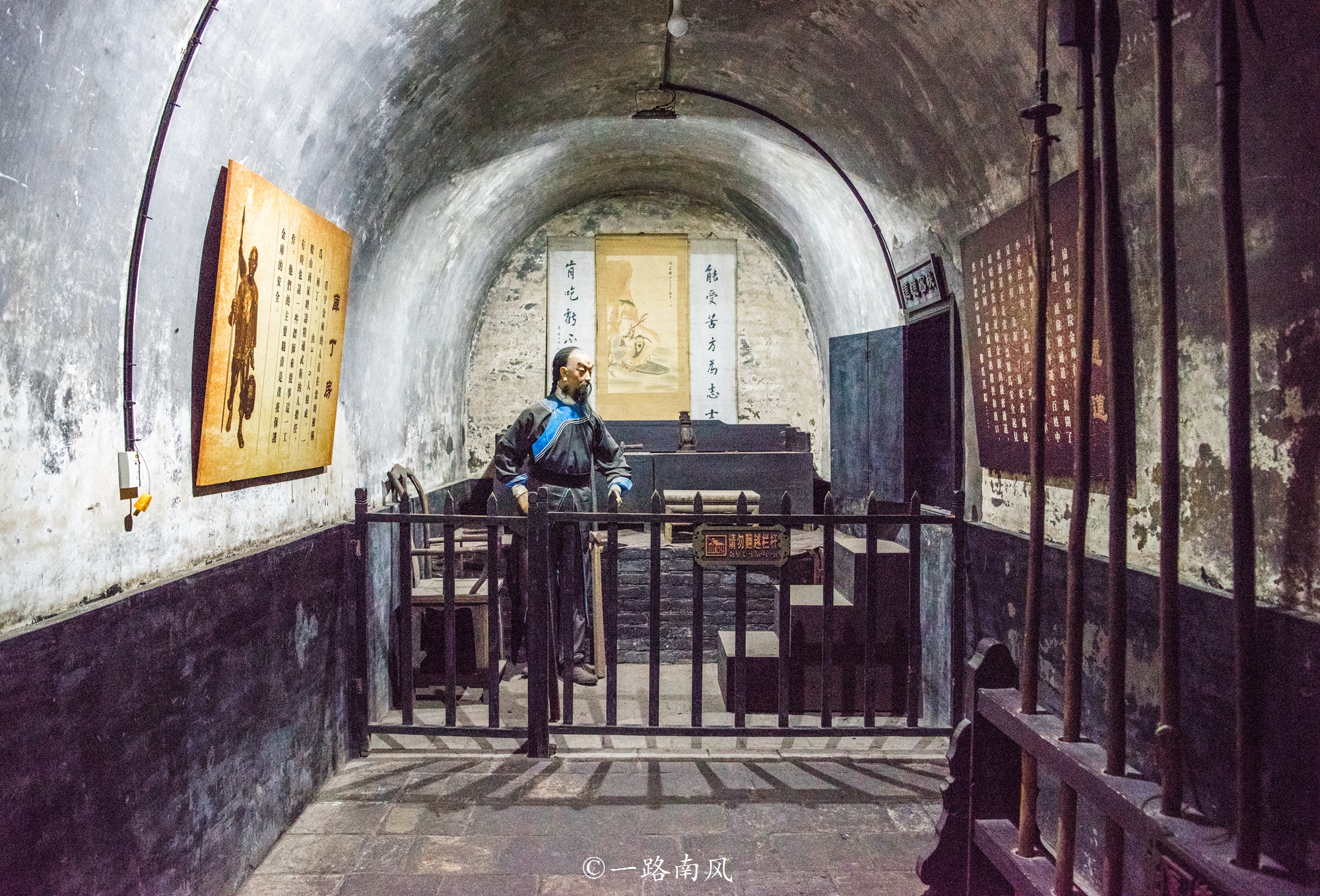
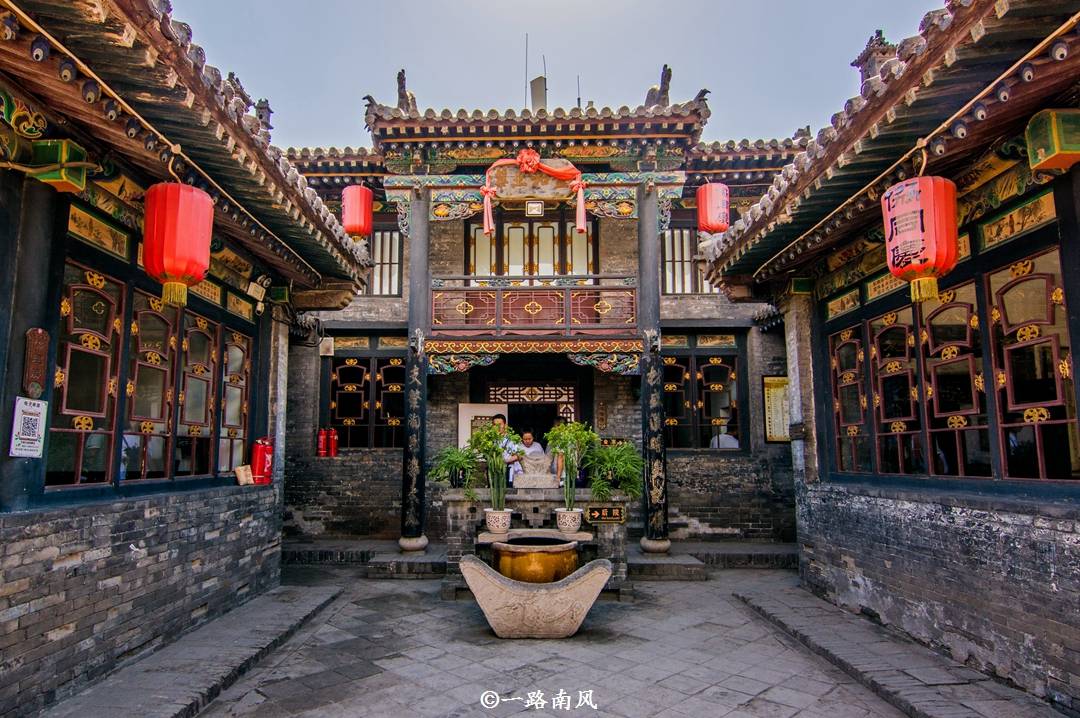
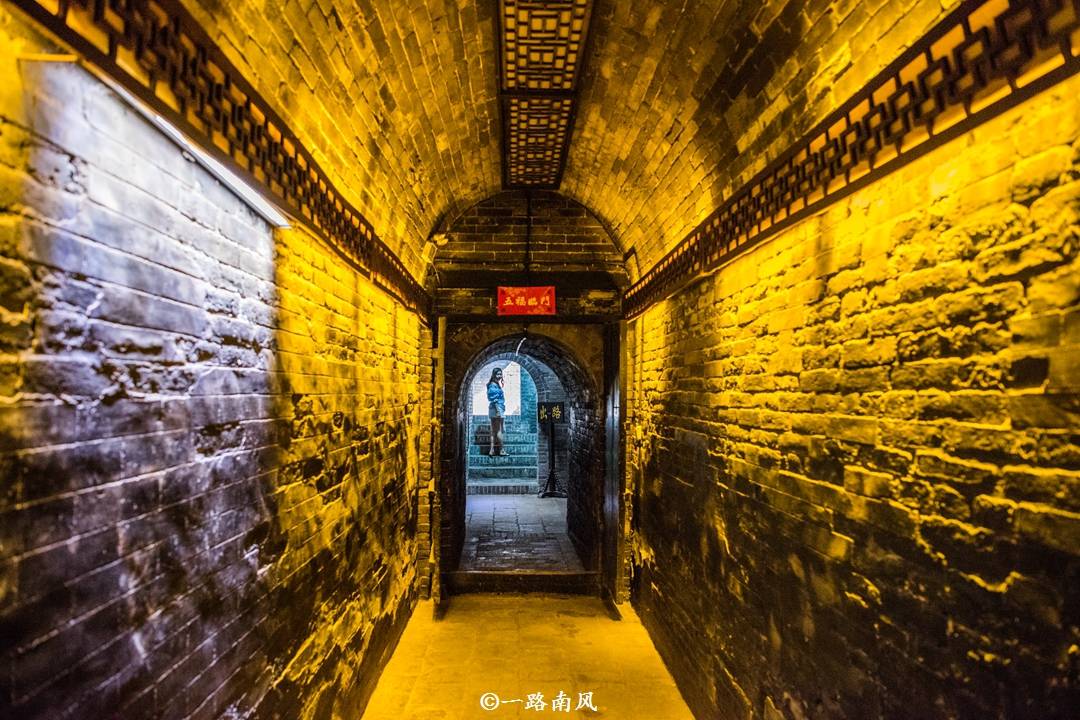
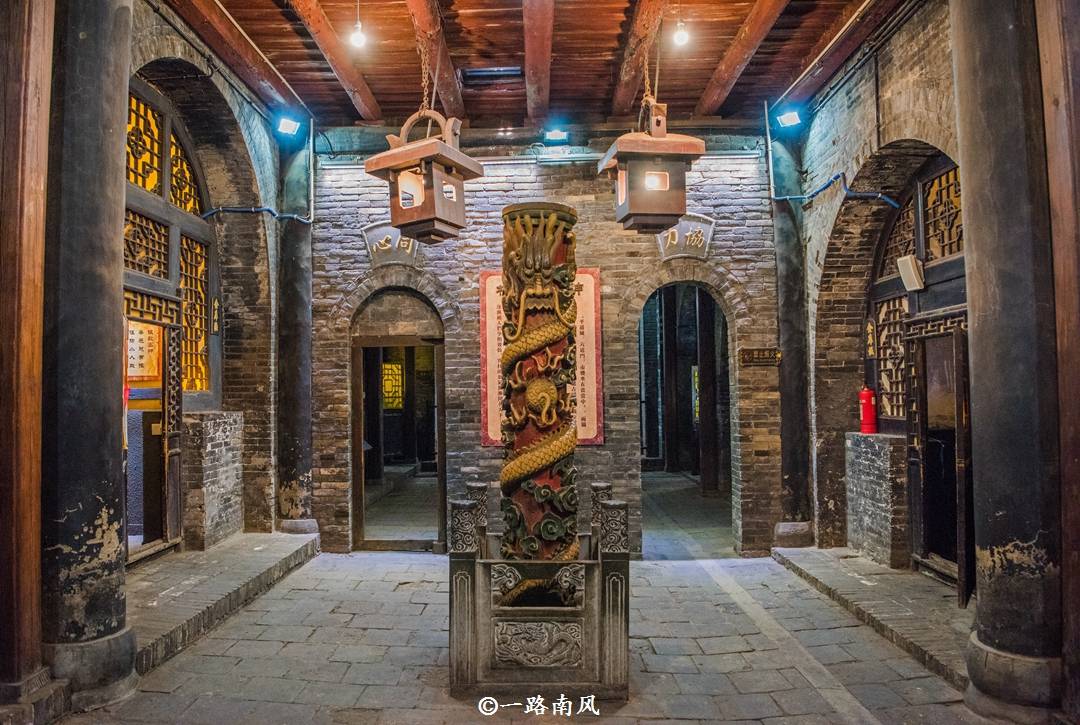
Visiting Xieqing allows you to delve into the underground vaults to learn about the operations of the old money exchange houses. The cave-dwelling architectural style is a major feature.
China Escort Agency Museum
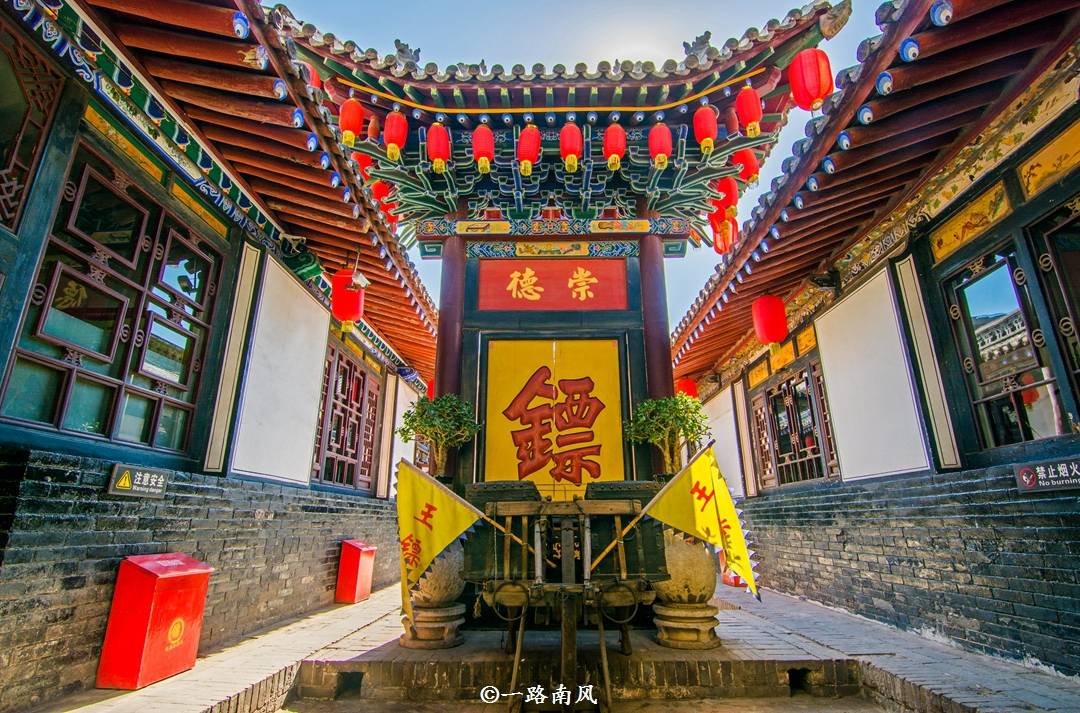
Where there are money exchange houses, there are security escort agencies. The relationship between them is like that between food delivery services and delivery drivers, or between online merchants and courier companies.
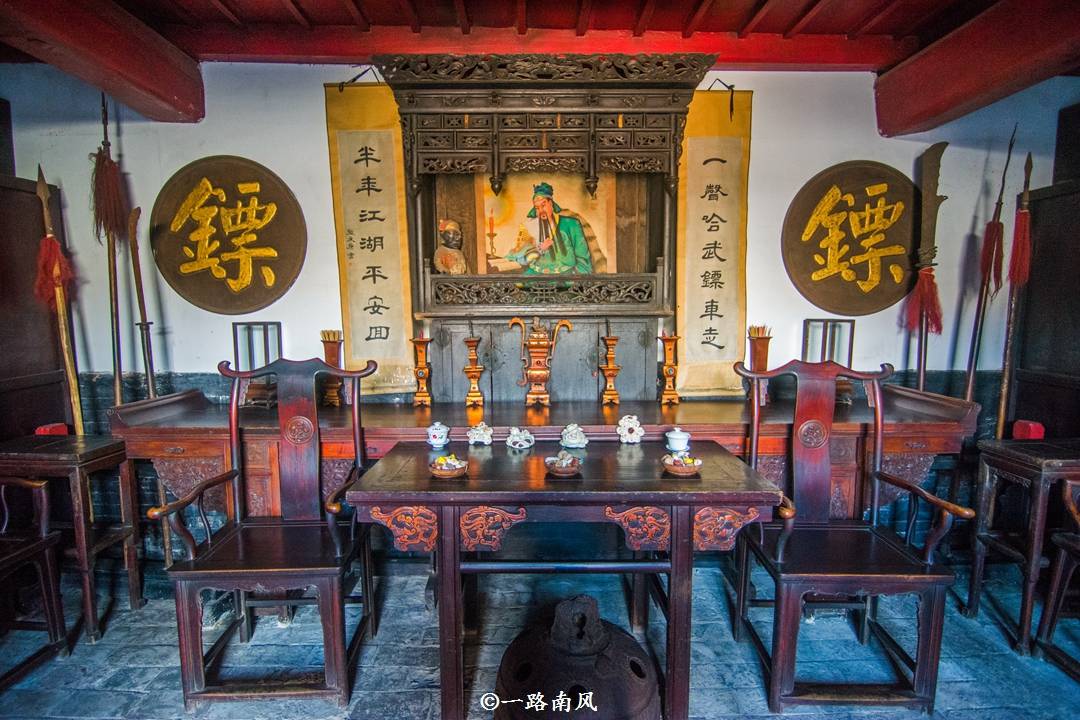
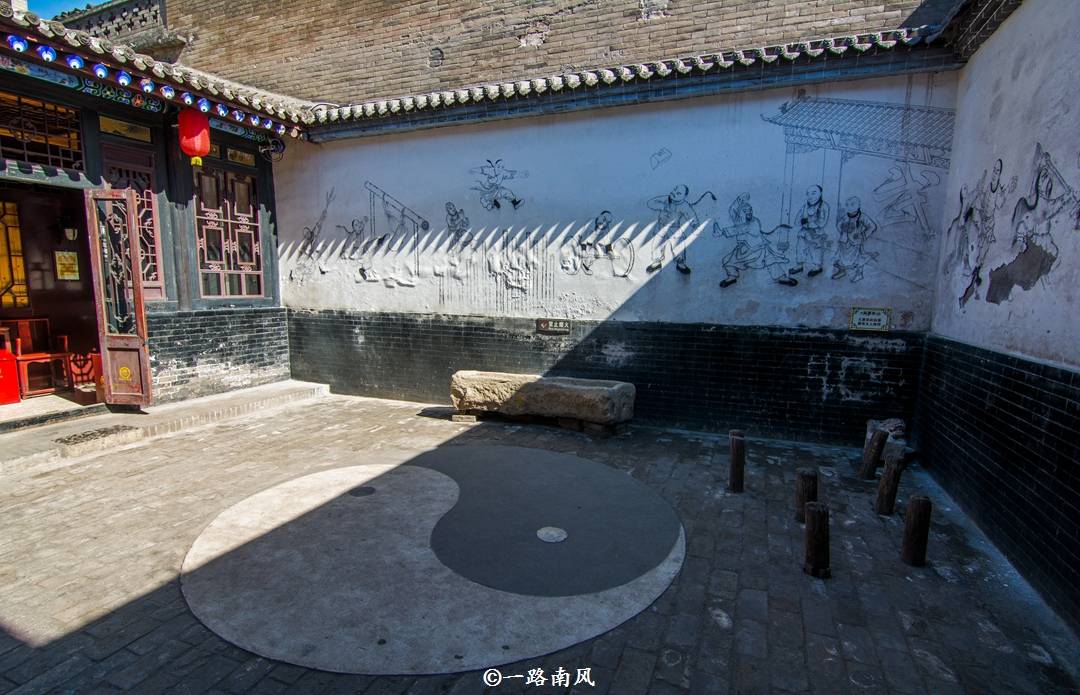
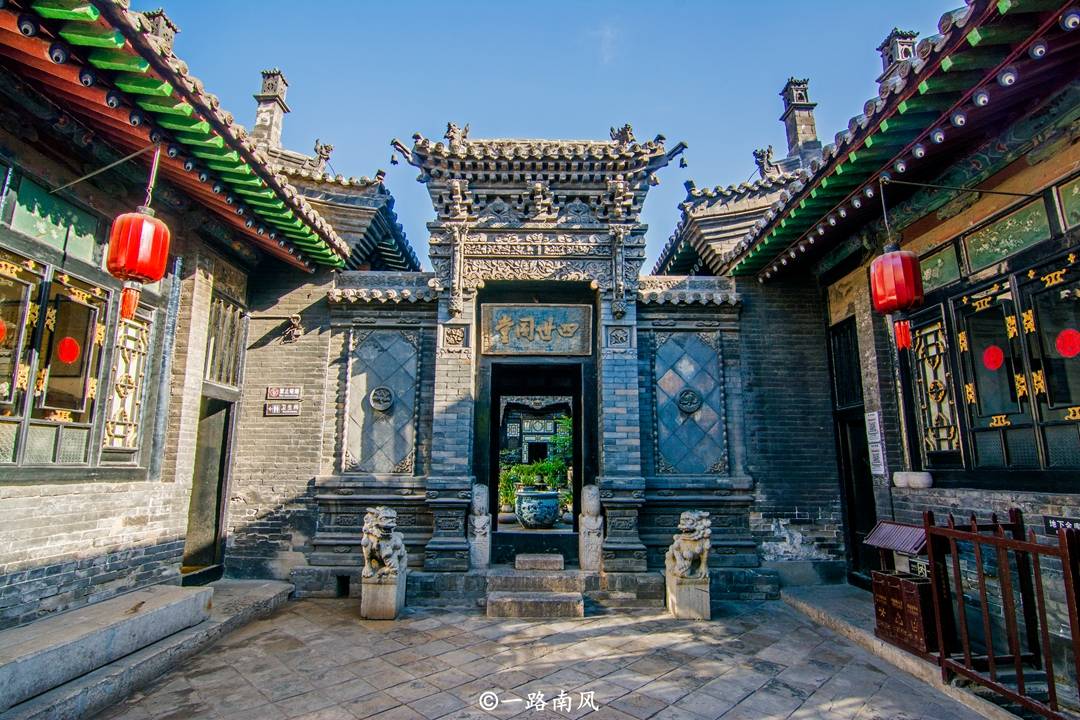
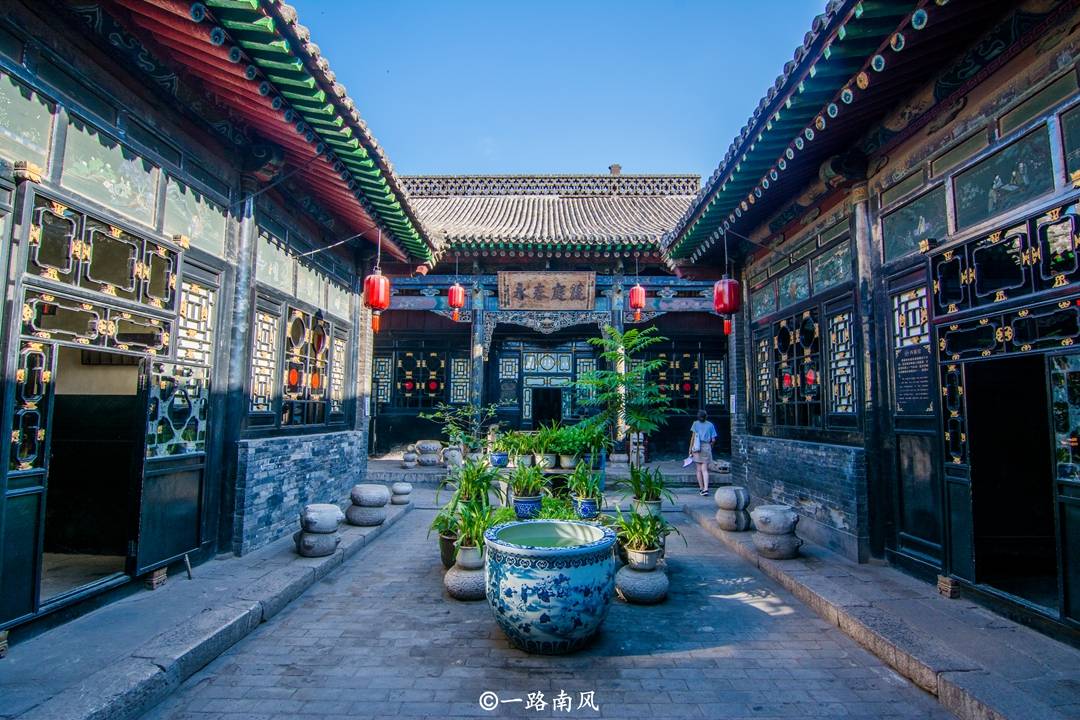
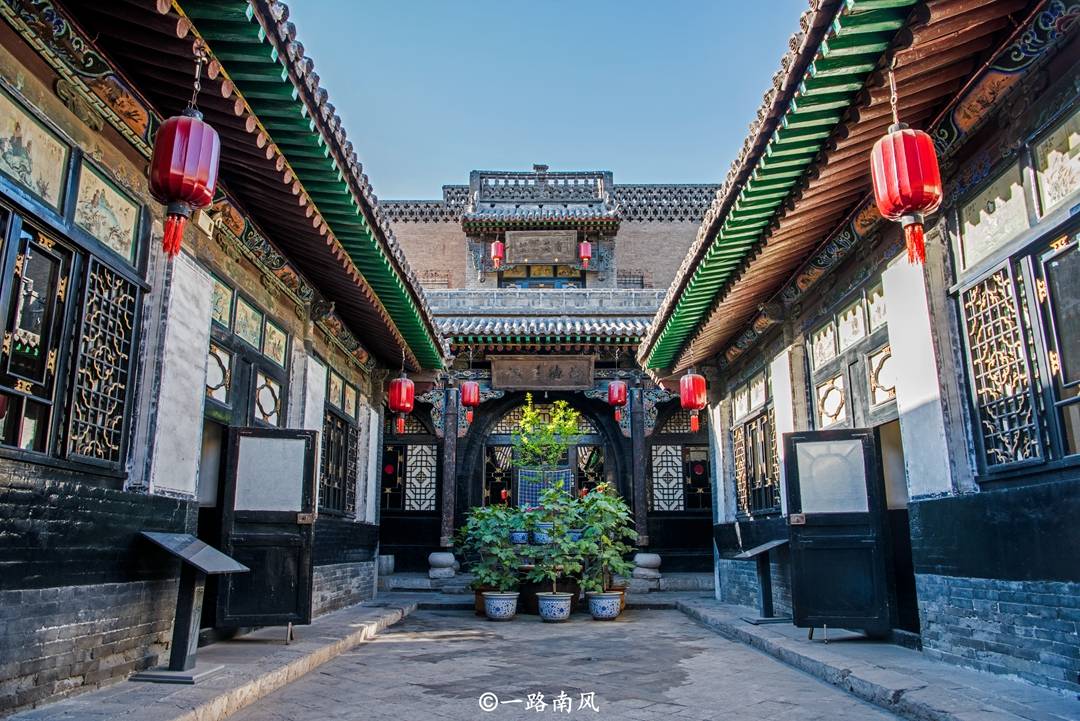
Here, the walls are high and the house is deep. The north and south courtyards are connected by a narrow passageway, resembling a gold ingot, hence some call it the "Gold Ingot Courtyard".
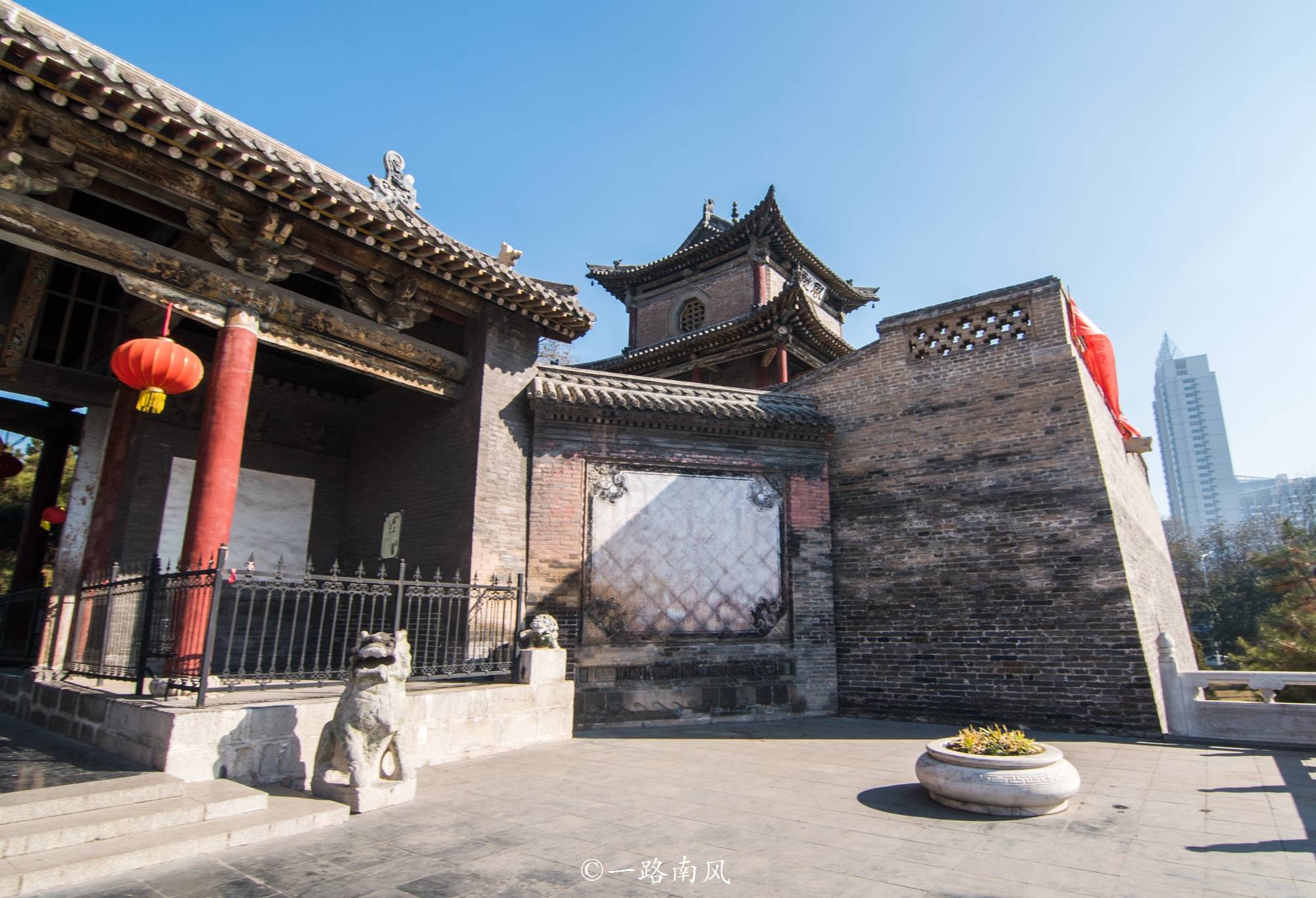
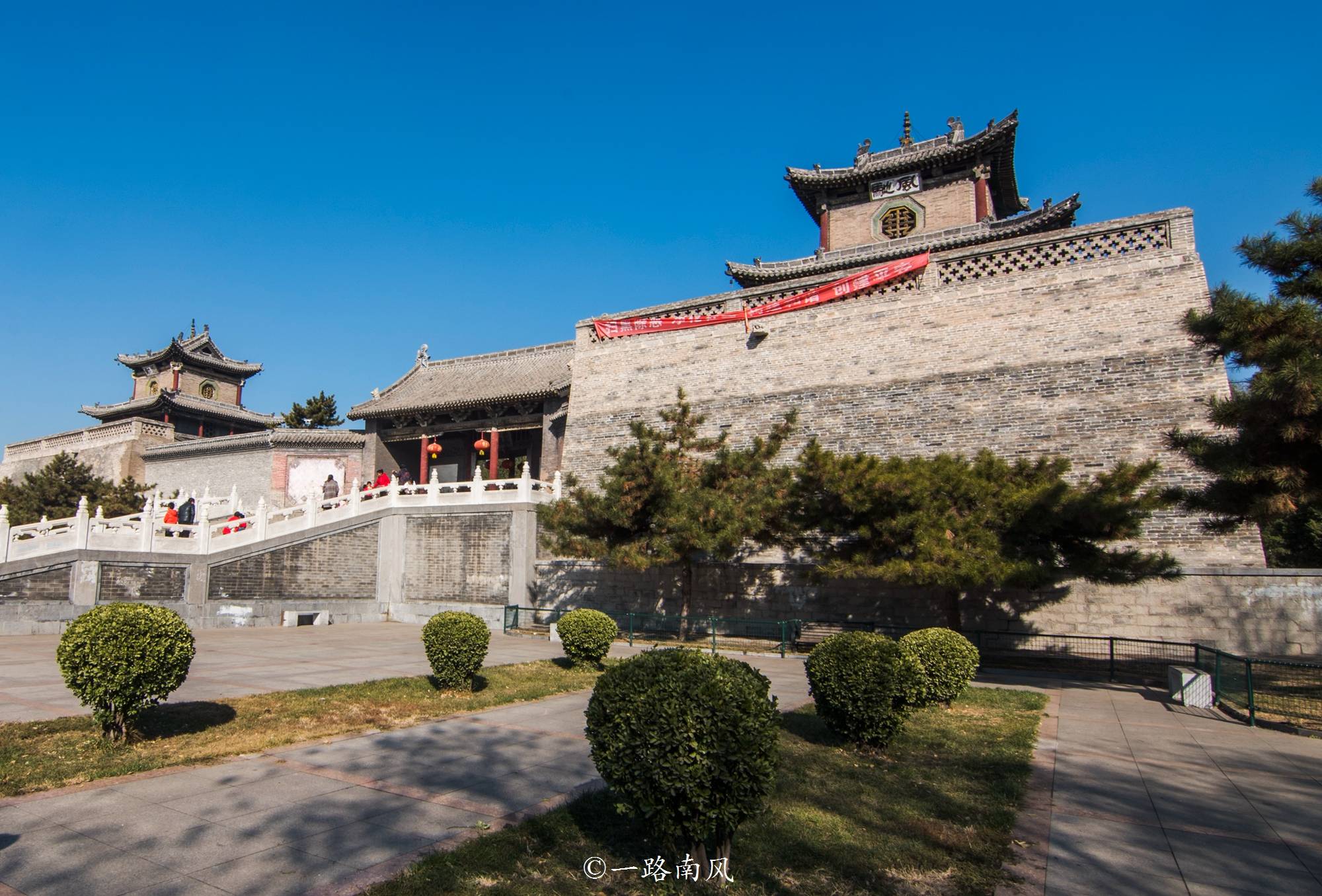
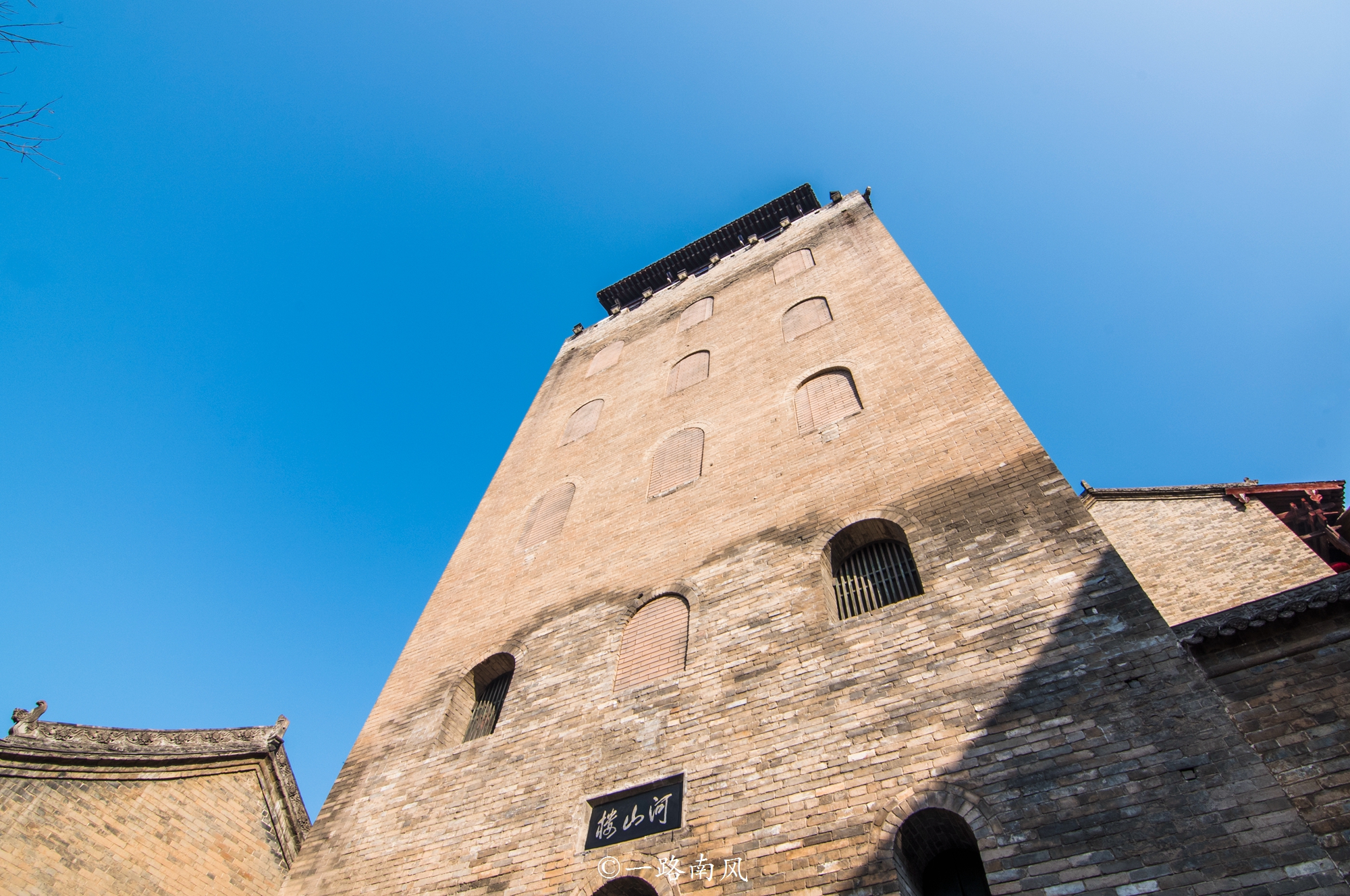
The Shangdang Gate today consists of only two buildings, a wall, and a gate, creating the architectural peculiar situation of "a gate without a residence, a gate without a garden."
At its peak during the Tang Dynasty, the government office complex comprised over 280 pavilions, halls, towers, and palaces. Unfortunately, it was destroyed in wars during the Jin and Yuan Dynasties. The remaining walls and gate we see today are later reconstructions.
Shanxi boasts abundant tourism resources and is a beautiful city nestled amidst mountains and rivers. Do you know which places in Shanxi are most worth visiting? This article compiles a list of the top ten must-see attractions in Shanxi, including Mount Wutai, Pingyao Ancient City, Yungang Grottoes, Qiao Family Compound, Huangcheng Xiangfu, Mianshan Mountain, Hukou Waterfall, Taihang Grand Canyon, and Hengshan Mountain. 1. Mount Wutai 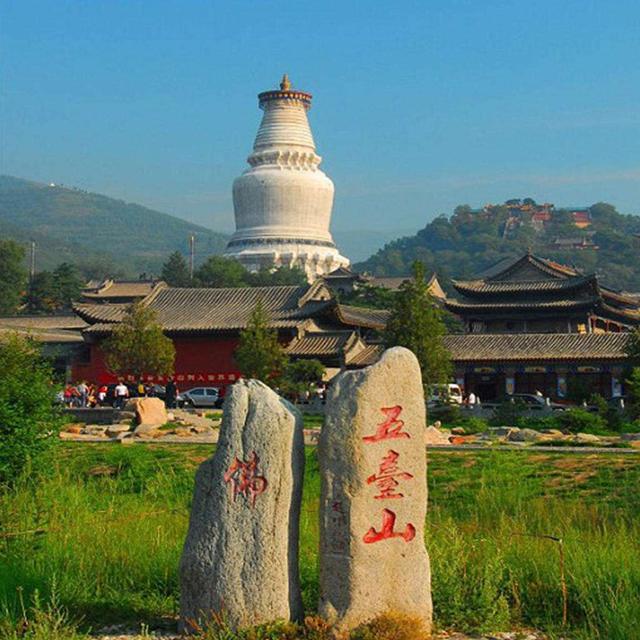
Mount Wutai is located in Wutai County, Xinzhou City, Shanxi Province, and ranks first among the four sacred Buddhist mountains in China.
Along with Mount Putuo in Zhejiang, Mount Jiuhua in Anhui, and Mount Emei in Sichuan, Mount Wutai is known as one of the "Four Great Buddhist Mountains of China." It is also considered one of the five major Buddhist holy sites in the world, alongside Lumbini Garden in Nepal, Sarnath in India, Bodh Gaya, and Kushinagar. It is a tourist area integrating natural scenery, ancient architecture, historical relics, Buddhist culture, folk customs, and summer resort facilities. Over the years, it has received numerous honors, including "National Key Scenic Area," one of the "Top Ten Famous Mountains of China," "National Geopark," "National Natural and Cultural Heritage Site," "National AAAAA-level Tourist Attraction," and "World Heritage Site." 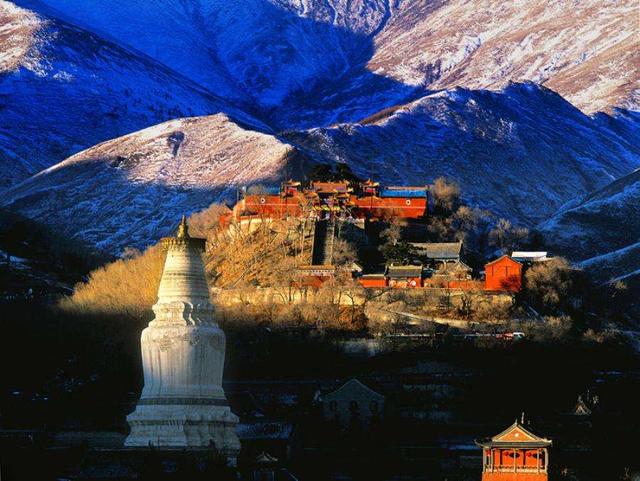
2. Pingyao Ancient City Pingyao Ancient City is located in Pingyao County, central Shanxi Province. It was first built during the reign of King Xuan of the Western Zhou Dynasty (827 BC – 782 BC). It is known as one of the "Four Best-Preserved Ancient Cities" and is one of only two ancient cities in China to have successfully applied for World Cultural Heritage status as a whole. On July 13, 2015, Pingyao Ancient City became a National 5A-level tourist attraction.
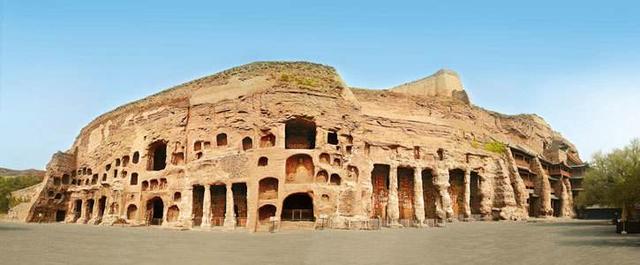
3. Yungang Grottoes The Yungang Grottoes are located on the southern slope of Wuzhou Mountain, 17 kilometers west of Datong City, Shanxi Province, in northern China. Carved into the mountainside, the grottoes stretch for 1 kilometer from east to west. They contain 45 main caves, 252 smaller niches, and over 51,000 stone sculptures, making it one of the largest ancient grotto complexes in China. Along with the Mogao Grottoes in Dunhuang, the Longmen Grottoes in Luoyang, and the Maijishan Grottoes in Tianshui, it is considered one of the four major grotto art treasures of China. On May 8, 2007, it was rated as one of the first batch of National 5A-level tourist attractions by the National Tourism Administration.
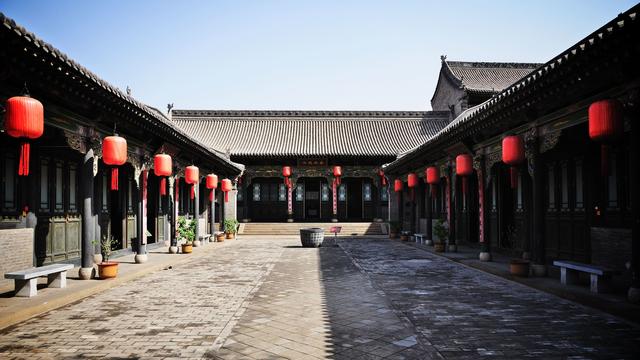
4. Qiao Family Compound Qiao Family Compound, also known as Zhongtang, is located in Qiaojiabao Village, Qi County, Shanxi Province. Built in 1756, it is a national AAAAA-level tourist attraction, a national key cultural relics protection unit, a national second-level museum, a national advanced cultural relics unit, a national youth civilization unit, and a patriotic education base in Shanxi Province. The Qiao Family Compound is a magnificent architectural complex. Its exquisite design and craftsmanship embody the unique style of Qing Dynasty residential architecture in China, possessing considerable aesthetic, scientific, and historical value. It is an unparalleled art treasure, known as "a pearl of northern residential architecture," and is famous throughout Shanxi and abroad, with the saying "The imperial family has the Forbidden City, but for civilian residences, look to the Qiao Family Compound."
5. Huangcheng Xiangfu (Imperial City Prime Minister's Residence) Huangcheng Xiangfu is a national AAAAA-level scenic spot located in Beiliu Town, Yangcheng County, Jincheng City, Shanxi Province.
Huangcheng Xiangfu (also known as Wutingshan Village) covers an area of 36,000 square meters. It is the former residence of Chen Tingjing, a Grand Secretary of the Wenyuan Pavilion, Minister of Personnel, Chief Editor of the Kangxi Dictionary, and lecturer to Emperor Kangxi for 35 years. It consists of an inner city, an outer city, and Ziyunqian, among other parts. The Imperial Library is magnificent, Zhongdaozhuang is majestic, Douzhuju is a continuous courtyard, Heshanlou is majestic and precipitous, and the hidden military tunnels are layered and wonderful. It is a rare castle-style official residence complex from the Ming and Qing dynasties, and is praised by experts as "the first cultural family residence in northern China". 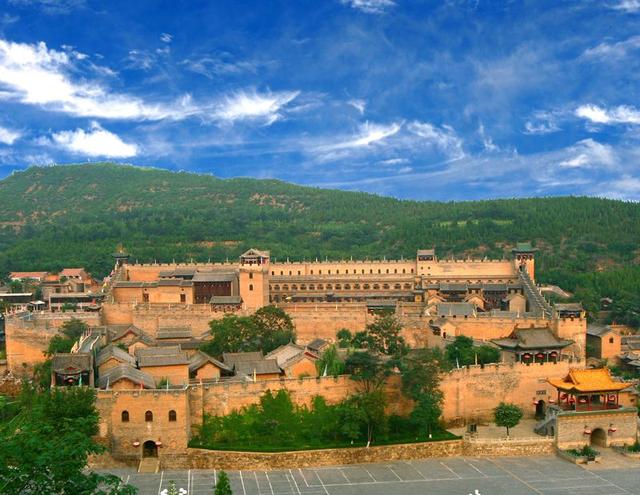
6. Mianshan
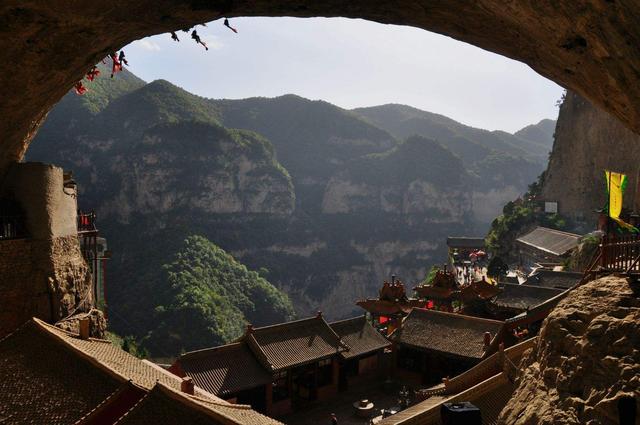
Mianshan Scenic Area is a national AAAAA-level tourist attraction, a key scenic area in Shanxi Province, the birthplace of the Qingming Festival (Hanshi Festival), the Chinese Hanshi Qingming Culture Research Center, and the Chinese Hanshi Qingming Culture Museum. Spanning the counties of Jiexiu, Lingshi, and Qinyuan, Mianshan Scenic Area reaches a maximum altitude of 2560 meters and is a branch of the Taiyue Mountains. Among the architectural complexes of Mianshan Scenic Area are religious temples and palaces; garden architecture including pavilions, terraces, towers, galleries, corridors, and memorial archways; and ancient relics such as ancient gates, city walls, and fortified camps, making it a veritable museum (garden) of ancient architecture.
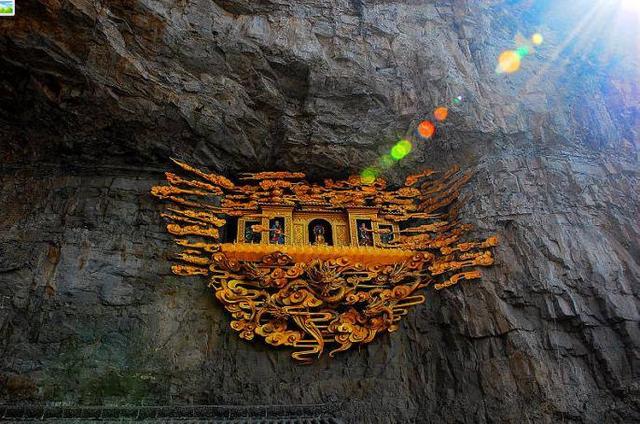
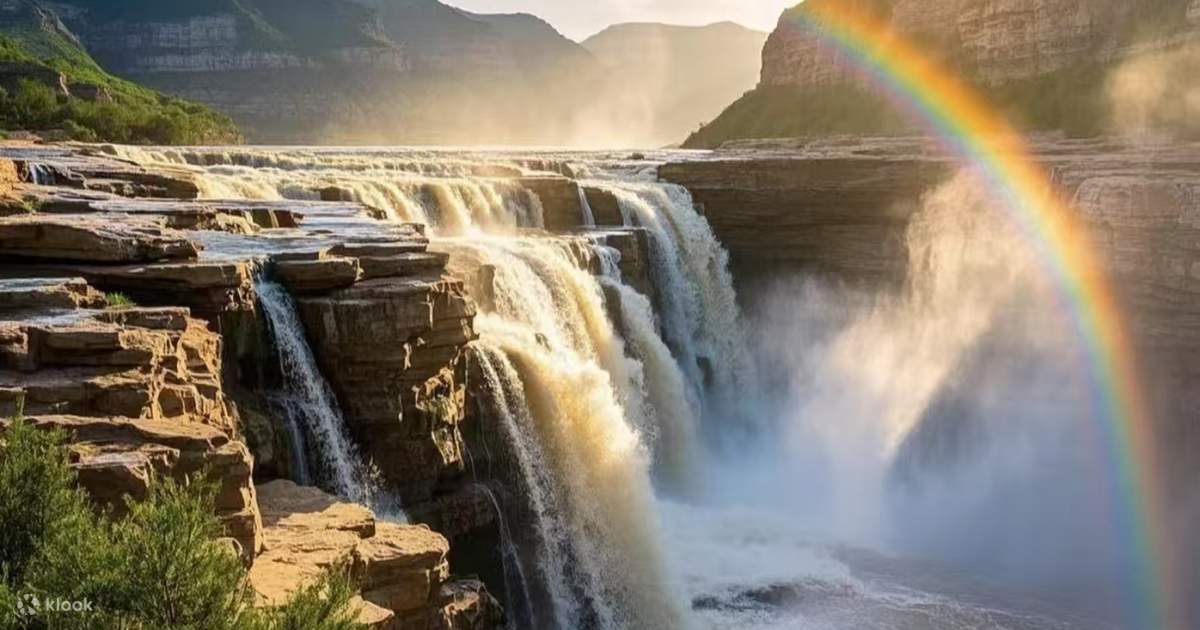
7. Hukou Waterfall Hukou Waterfall is a national scenic spot and a national AAAA-level tourist attraction. It is located west of Hukou Township, Yichuan County, Yan'an City, Shaanxi Province, and east of Hukou Town, Ji County, Linfen City, Shanxi Province, making it a shared tourist area between the two provinces. It is 350 kilometers south of Xi'an, Shaanxi Province, and 387 kilometers north of Taiyuan, Shanxi Province. Hukou Waterfall is the second largest waterfall in China and the largest yellow waterfall in the world.
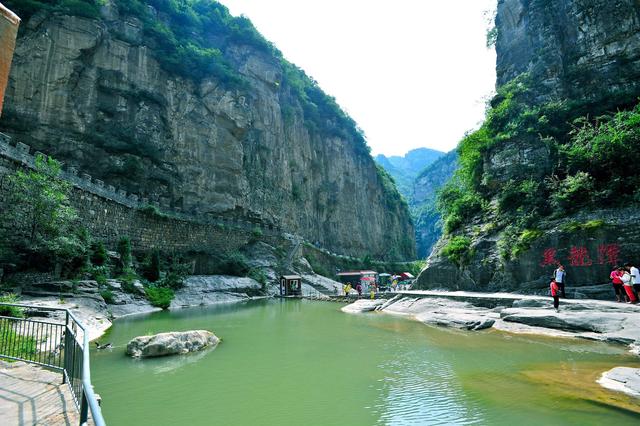
8. Taihang Grand Canyon The Taihang Grand Canyon Scenic Area is located at the junction of Shanxi and Henan provinces, in the southeast of Huguan County, Changzhi City, Shanxi Province, covering a total area of approximately 225 square kilometers. It has successively won honorary titles such as "National Forest Park," "National Geopark," "One of China's Top Ten Most Beautiful Canyons," "National AAAA-level Scenic Area," "China's Rock Climbing Base," and "Shanxi Provincial Scenic Area."
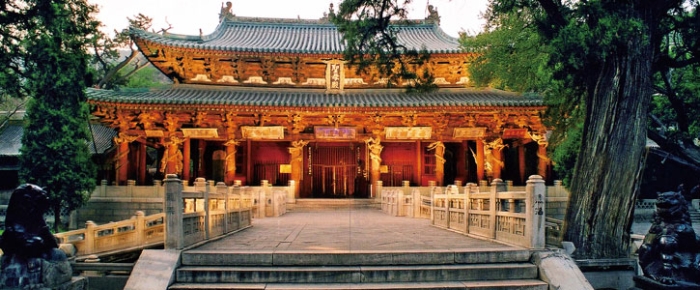
9. Jinci Temple. Jinci Temple, located in Jinci Town, Jinyuan District, Taiyuan City, Shanxi Province, was originally named Jinwang Temple and initially named Tang Shuyu Temple. It was built to commemorate Tang Shuyu (later posthumously honored as King of Jin), the founding ruler of the Jin State, and his mother, Yi Jiang. It is the oldest existing royal garden in China and served as the ancestral temple of the Jin State. The temple contains dozens of ancient buildings with traditional Chinese cultural characteristics. Among them, the Nanlao Spring, the Maidens' Statues, and the Holy Mother Statue are known as the "Three Wonders of Jinci". In 2011, it was announced as one of the first batch of national AAAA-level tourist attractions.
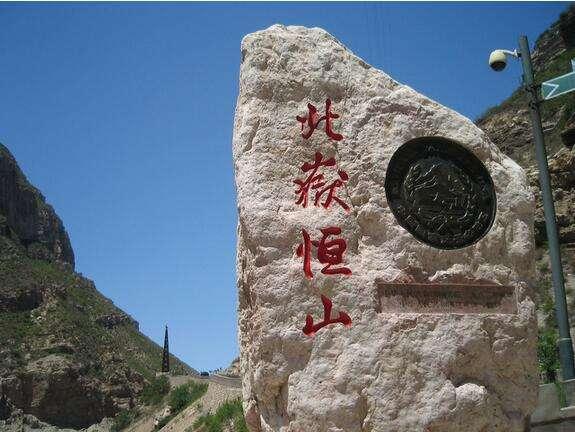
10. Mount Heng, also known as Taiheng Mountain, was formerly called Xuanwu Mountain, Guoshan Mountain, Gaoshi Mountain, and Xuanyue Mountain. Among its strategic passes, Daoma Pass, Zijing Pass, Pingxing Pass, Yanmen Pass, and Ningwu Pass are crucial gateways connecting the northern plateau to the Hebei Plain. The main peak, Tianfengling, is located south of Hunyuan County, with an altitude of 2016.1 meters. Mount Heng, along with Mount Tai (Eastern Peak), Mount Hua (Western Peak), Mount Heng (Southern Peak), and Mount Song (Central Peak), are collectively known as the Five Sacred Mountains of China, serving as geographical landmarks and a sacred site for the Quanzhen School of Taoism.
Underground cultural relics are found in Shaanxi, while above-ground cultural relics are found in Shanxi.