
Tourism, China, ShanXi(XiAN)
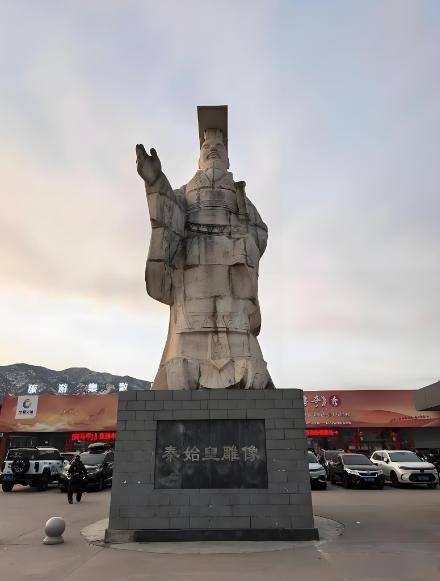
First stop: Terracotta Army of Qin Shi Huang (The Eighth Wonder of the World)
Standing on the viewing platform of Pit 1, you will understand what it means to "condense thousands of troops into a single moment." The newly opened underground palace exhibition area in 2025 uses holographic projection to recreate the marching scene of the Qin army formation. It is recommended to arrive before 8 am to avoid tour groups and witness the breathtaking scene of sunlight shining through the side chambers onto the golden armor of the general's terracotta warriors.
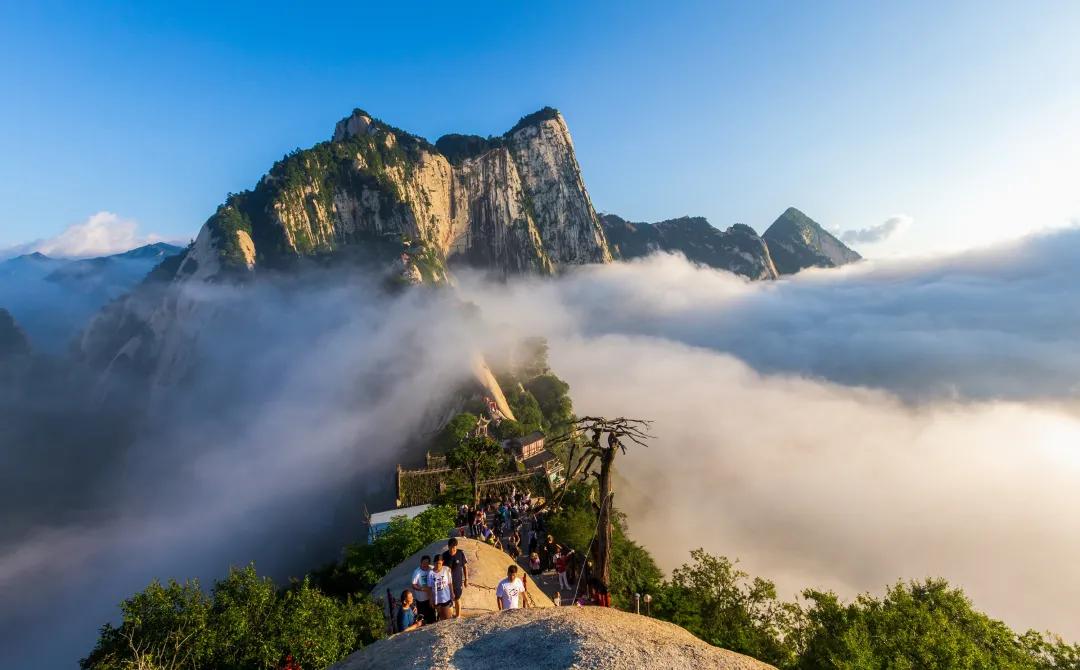
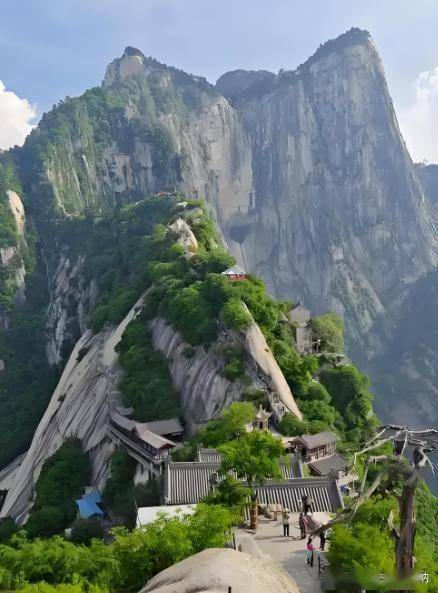
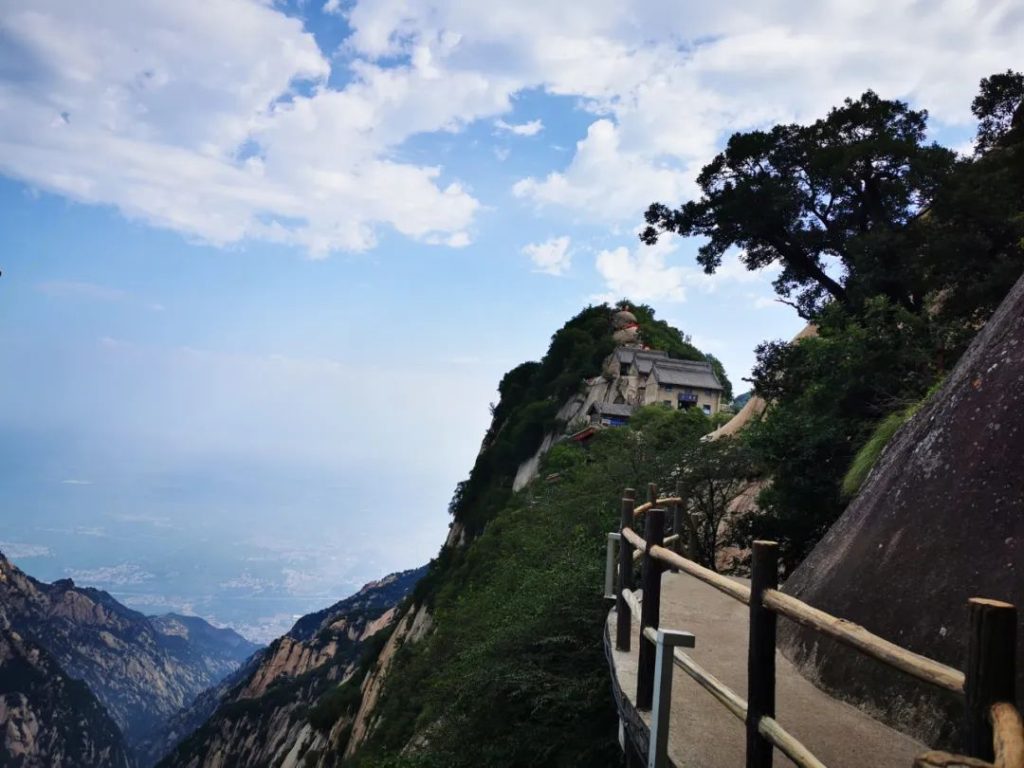
Second stop: Mount Hua (The most precipitous mountain under heaven)
As the most precipitous of the Five Sacred Mountains, the newly opened West Peak Cableway in 2025 allows you to reach a height of 2082 meters in just 3 minutes. We suggest choosing the "One Path to Mount Hua Since Ancient Times" hiking route. Along the way, you'll encounter farmers selling mountain walnuts; 10 yuan can fill a cloth bag.
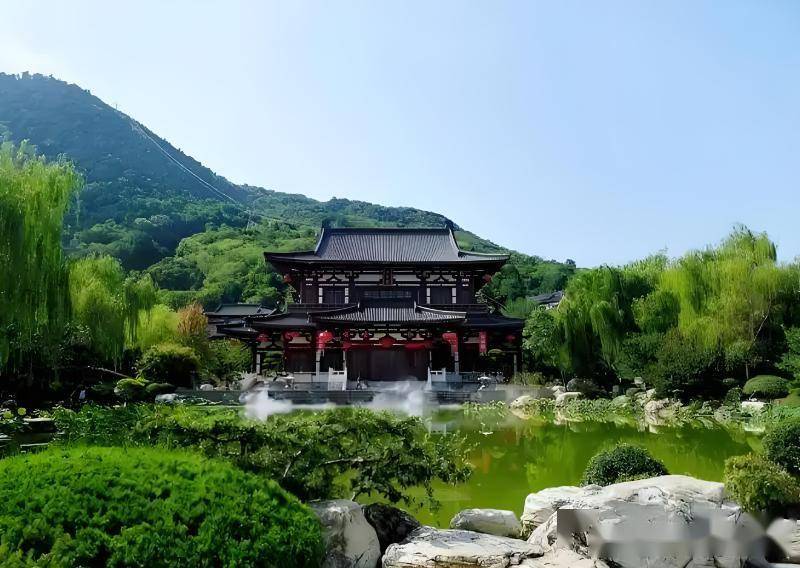
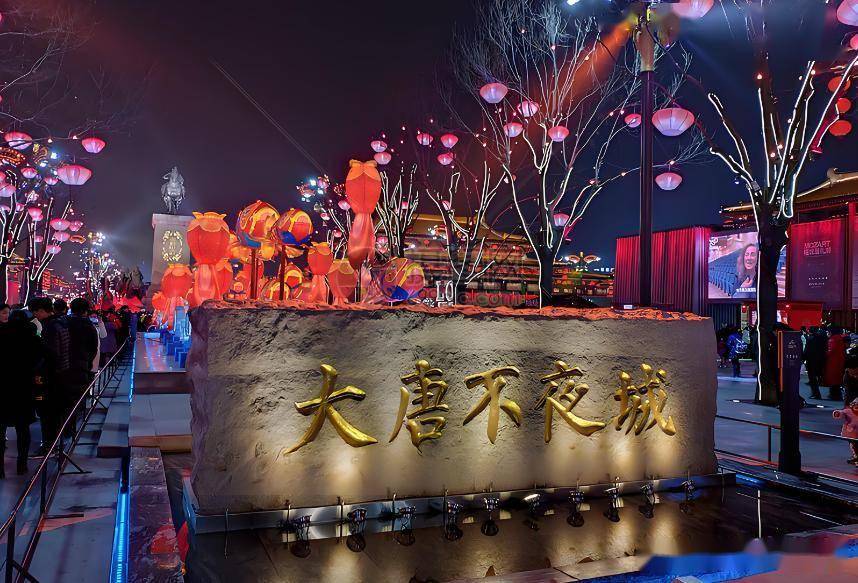
Third Stop: Tang Dynasty Never Sleeping City (Tang Dynasty Cultural Experience Area)
This 1500-meter-long Tang Dynasty-style street became a sensation in 2025 due to the live-action performance of "The Longest Day in Chang'an". It is recommended to visit after 7 PM. When the 138 sets of lampposts are lit up simultaneously, it feels like traveling back to the prosperous era of "all nations paying tribute".
A street performer dressed as Li Bai will challenge you to poetry recitations; if you answer three lines correctly, you'll receive a complimentary "Osmanthus Wine" special drink. Don't miss the "Tumbler Girl" performance; their Tang Dynasty costumes cost over 20,000 yuan each.
Fourth stop: Big Wild Goose Pagoda (the place where Xuanzang translated Buddhist scriptures)
This 1368-year-old pagoda houses the original palm-leaf scriptures brought back by Xuanzang from India. The AR guide added in 2025 allows you to scan the pagoda with your phone to see an animation of the journey to India.
We recommend attending the "Wild Goose Pagoda Morning Bell" event in the early morning. Listen to the melodious chimes of the 108-ton bell and experience the Zen-like feeling of "hearing the bell, worries lighten." Next to the pagoda is the "Great Ci'en Temple Vegetarian Restaurant," where we recommend trying the mung bean cakes made using a Wild Goose Pagoda-shaped mold. 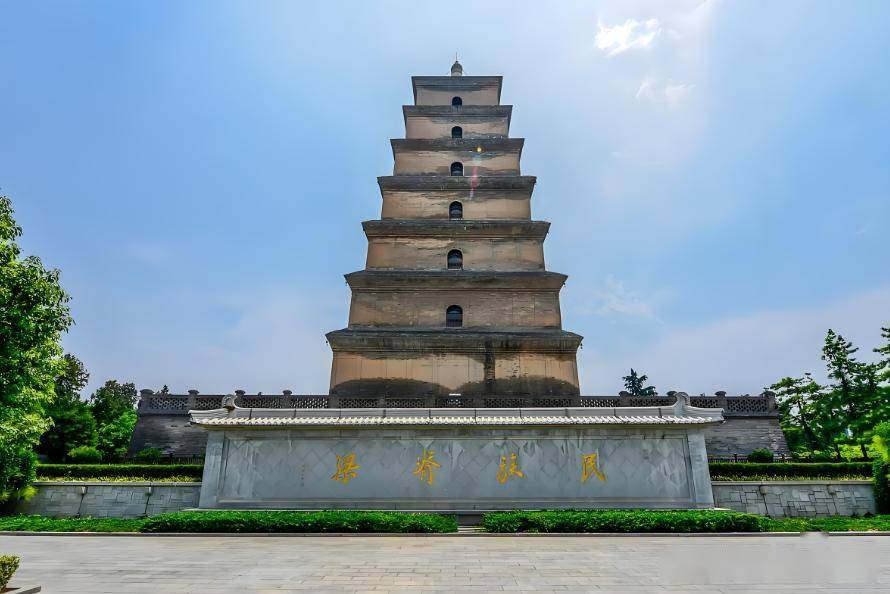
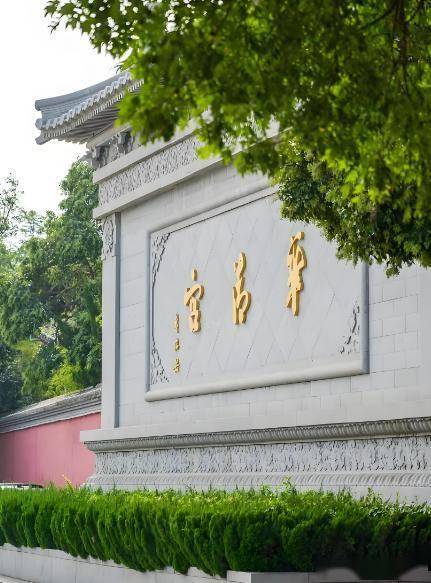
Fifth stop: Huaqing Palace (the site witnessing the love story of Emperor Xuanzong and Yang Guifei)
This royal palace, which witnessed the "Spring Cold Imperial Bath at Huaqing Pool," became popular again in 2025 due to the upgraded live-action performance of "The Song of Everlasting Regret."
We recommend purchasing evening tickets. When 3,000 palace lanterns are lit, the dazzling dance performance on stage will bring tears to your eyes. The "Imperial Concubine's Hot Spring" within the scenic area still maintains a constant water temperature of 38℃. Staff will teach you how to make ancient bath sachets using rose petals.
Sixth Stop: Muslim Quarter (The Culinary Center of Xi'an)
This 600-year-old street holds the soul of Shaanxi cuisine. We recommend "Lao Sun's Lamb Stew Restaurant," where their lamb stew, passed down for six generations, requires you to break the bread into bee-sized pieces by hand.
Paired with the shop's homemade pickled garlic, it's sweet, sour, crunchy, and refreshing, cutting through the richness. A must-order after the meal is the zenggao (steamed rice cake), unlike the overly sweet ones elsewhere; here, it's layered with dates, glutinous rice, and red beans, resembling a sweet little mountain. 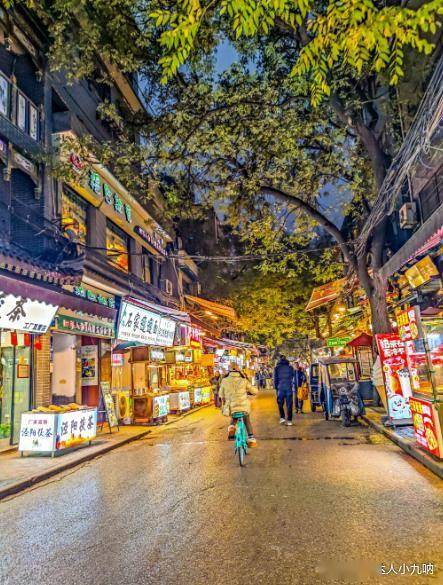
Seventh Stop: Shaanxi History Museum (Treasure House of Chinese Civilization)
This national-level museum, housing 1.7 million cultural relics, added the "Treasures of the Tang Dynasty" special exhibition in 2025. It's recommended to book 3 days in advance to see the museum's treasures, such as the gold-inlaid animal-head agate cup and the gilded silver ewer with a dancing horse holding a cup.
Inside the museum, the "Tang Girl" cultural and creative store is recommended for purchasing silk scarves designed with elements of Tang Dynasty murals. Each scarf comes with a certificate of authenticity and a cultural relic number. 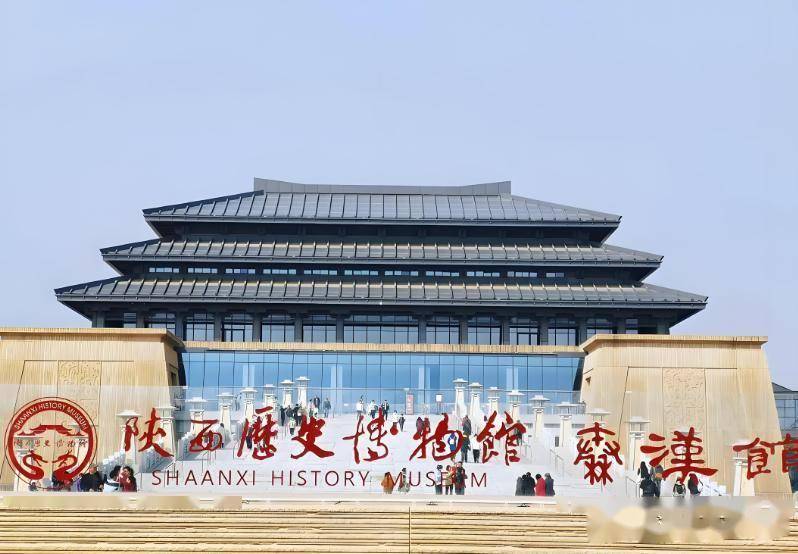
Eighth stop: Hukou Waterfall (The Heartbeat of the Mother River)
This 300-meter-wide, 50-meter-drop yellow waterfall became a popular tourist attraction in 2025 due to the "Yellow River Culture Festival". It is recommended to visit during the rainy season (July-August). When the water volume surges, the waterfall will emit a roaring sound, as if saying, "The Yellow River, stretching for thousands of miles, is contained in a single pot."
Outside the scenic area, the "Yellow River Carp Feast" is a must-try. The Yellow River carp is stewed in an iron pot, its flesh absorbing the aroma of chili peppers and Sichuan peppercorns, even the bones are tender and flavorful. 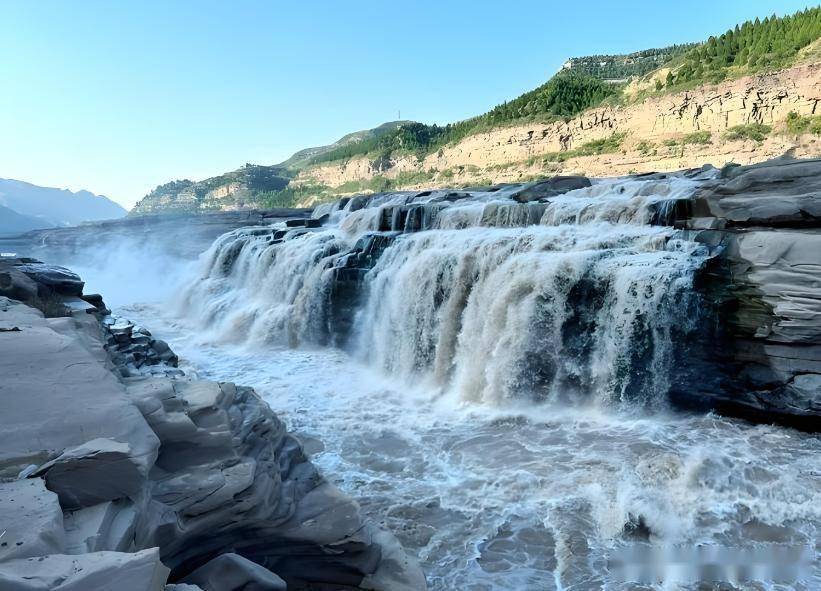
Ninth Stop: Famen Temple (The Place Where the Buddha's Finger Relic is Enshrined)
This royal temple, originally built in the Eastern Han Dynasty, gained renewed attention in 2025 due to the "Buddha's Relic in its Golden Age" exhibition. It is recommended to participate in the "Holding Hands Relic Pagoda" pilgrimage. As the pagoda enshrining the Buddha's finger relic slowly rises, the original soundtrack of "Great Tang Buddhist Music" will be played.
The "Vegetarian Culture Hall" inside the temple is highly recommended. Try the vegetarian dish made with vegetables grown on-site by the temple; it's simple yet imbued with Zen spirit. 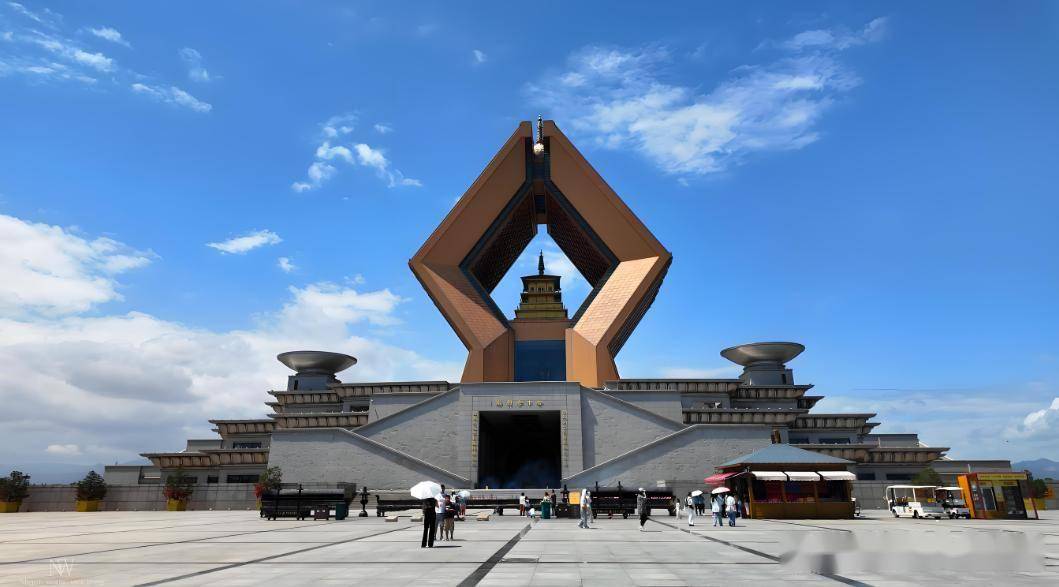
Tenth Stop: Mausoleum of the Yellow Emperor (A Symbol of the Spirit of Chinese Civilization)
This 5000-year-old ancestral worship site will become a focal point in 2025 due to the "Global Chinese Roots-Seeking Festival". It is recommended to attend the Qingming Festival public memorial ceremony; when the 108 dragon flags are unfurled, a sense of belonging to the same roots will well up in your heart.
Must-see attractions and significance of Mount Hua
West Peak (Lotus Peak)
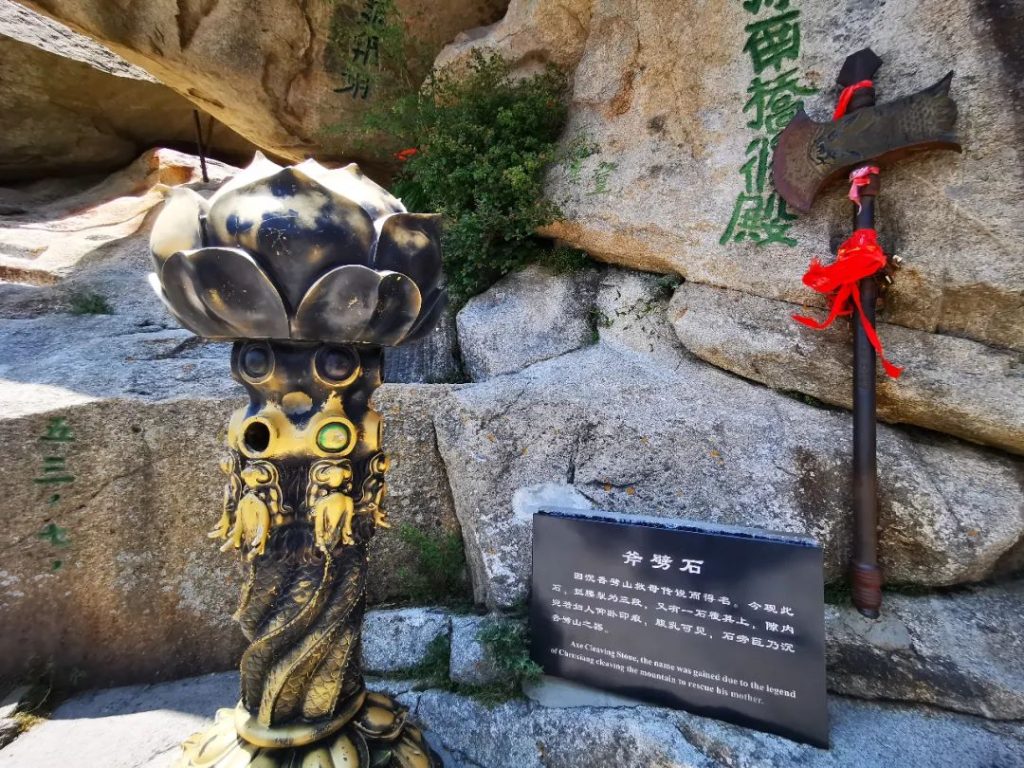
Named for the lotus-shaped boulder at its summit, it is one of the most beautiful and precipitous peaks of Mount Hua. The legend of Chenxiang rescuing his mother is told here, and the Axe-Split Stone bears witness to Chenxiang's filial piety and courage, embodying people's yearning for family affection and justice.
South Peak (Luoyan Peak)
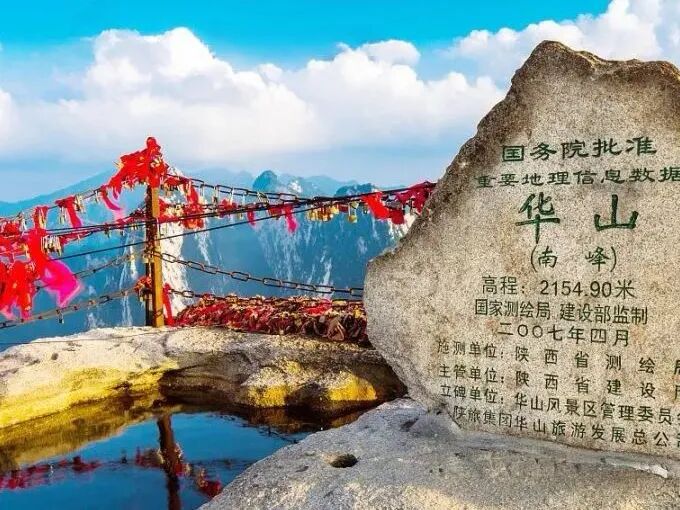
The highest peak of Mount Hua, at 2154.9 meters above sea level, was believed by the ancients to be a resting place for wild geese migrating south. Climbing to the top of South Peak symbolizes conquering the peak, challenging oneself, and also signifies standing at the highest point in life, overlooking all things.
East Peak (Chaoyang Peak)
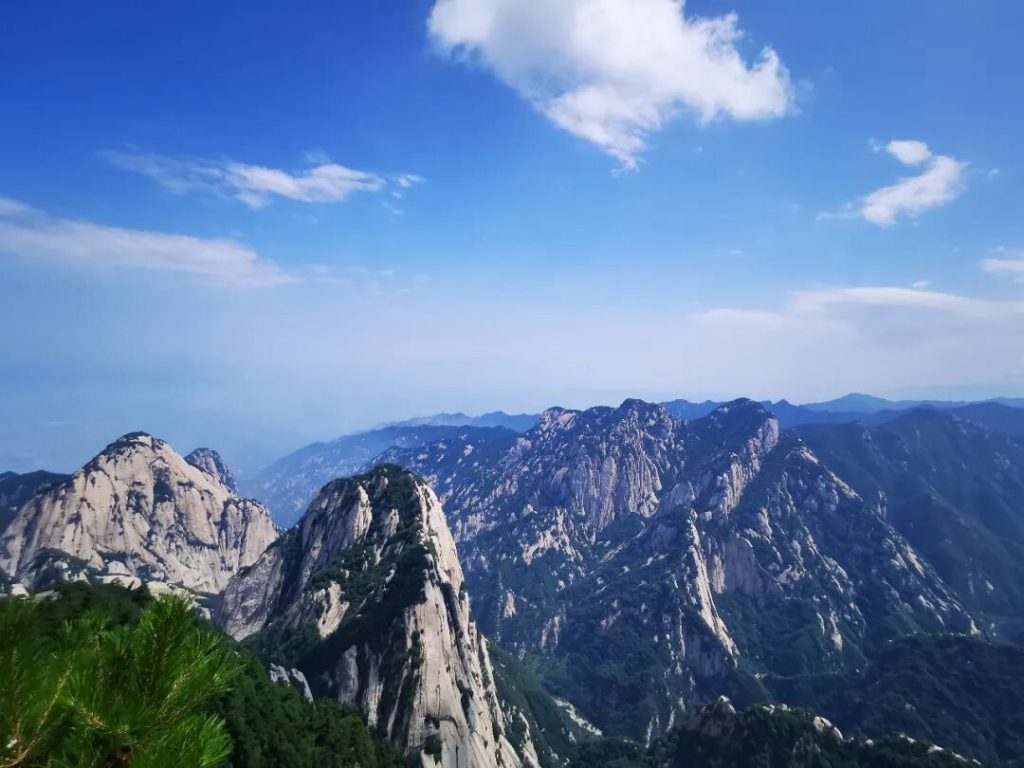
It is the best place on Mount Hua to watch the sunrise.
The Chess Pavilion on the East Peak is also associated with the legend of Zhao Kuangyin losing a game of chess to Chen Tuan, adding to its mystique and historical significance. The North Peak (Yuntai Peak) is isolated in the sky, its sheer cliffs like knife cuts, shrouded in mist like a pavilion in the air, hence its name "Yuntai Peak" (Cloud Terrace Peak). As the northernmost and most precipitous of the five peaks of Huashan, the North Peak serves as both a convenient route to the summit by cable car and a crucial hub for hiking. Whether choosing to ascend by cable car or climbing the "one-path-to-Huashan" trail, the North Peak is an essential stop for every traveler, bearing witness to the beginning and end of countless journeys to conquer Huashan.Central Peak (Jade Maiden Peak)
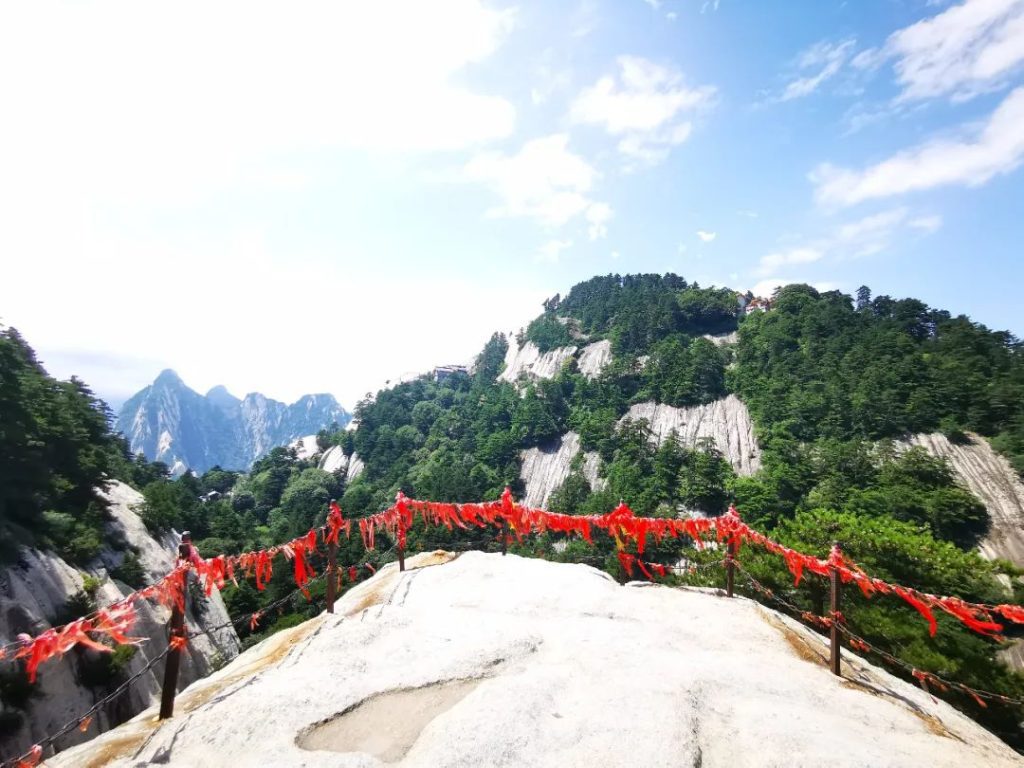
Legend has it that during the Spring and Autumn Period, Nongyu, the daughter of Duke Mu of Qin, played the flute here and married Xiao Shi, a hermit of Mount Hua. They rode a dragon and ascended to immortality together. Therefore, Central Peak is also regarded as a sacred place of love, embodying people's yearning for beautiful love.
Long Sky Plank Road
Located on the eastern side of the South Peak, it was built by He Zhizhen, the first patriarch of the Huashan School, who sought to escape the world and cultivate immortality. It was constructed by embedding stone nails and laying wooden beams on the sheer cliff. It is a game for adventurers, challenging the Long Sky Plank Road and pursuing the ultimate experience.
The Hawk's Turn
Located next to the Chess Pavilion on the East Peak, this is the only way to reach the pavilion. It gets its name from the fact that the path is so steep that one must turn left and right like a hawk to pass through, reflecting the perilous nature of Mount Hua and testing the courage and skill of climbers.
Recommended Itinerary
1-Day Tour Itinerary (West to North) Highlights
Morning: Visitor Center → Enter the West Peak Cableway Lower Station → Take the West Peak Cableway up the mountain [approximately 40 minutes drive] 4211 meters long, peak season 140 RMB / off-season 120 RMB!
Itinerary: West Peak Tour → Axe-Split Stone (Legend of Chenxiang Saving His Mother) → South Peak (Alchemy Furnace, Yangtian Pool, altitude 2154.9 meters, Huashan Sword Debate Stele photo)
Afternoon: South Peak → East Peak (passing through the Plank Road in the Sky, experience fee 30 RMB/person) → East Peak (Eagle Turns Over, experience fee 30 yuan/person) → Middle Peak → North Peak (enjoy the Canglong Ridge scenery) → Take the North Peak cable car down the mountain (peak season 80 yuan/off-season 45 yuan) → Take the shuttle bus back to the visitor center (North Peak shuttle bus 20 yuan).
Time taken: 6-8 hours in total, the exact time varies depending on individual physical strength and tour pace.
2-Day Itinerary Guide (Night Climb + Classic Loop)
Day 1: Arrive at Huashan Visitor Center in the evening. After dinner, begin the night climb from Yuquan Temple!
Route: Yuquan Temple → Wulong Bridge → Yushi → Wuliguan → Shimen → Maonu Cave → Yunmen → Huixin Stone → Qianchi Cliff → Baichi Gorge → Laojun Ligou → North Peak. After arriving at North Peak, you can choose to rest near North Peak or continue to East Peak.
Friendly Reminder: Qianchi Cliff and Baichi Gorge are extremely steep. This section requires climbing the iron chains using both hands and feet. It is recommended to wear gloves.
Warm Tips: Qianchi Cliff and Baichi Gorge are extremely steep. This section requires climbing the iron chains using both hands and feet. It is recommended to wear gloves.
Day 2: Sunrise viewing at the East Peak Sunrise Viewing Platform → Visit the East Peak Chess Pavilion, etc. → South Peak, West Peak → Plank Road in the Sky (separate fee 30 RMB/person) → West Peak Axe-Split Stone → West Peak → Cable car down the mountain, return to the visitor center. Time: Night climb approximately 4-6 hours to reach the North Peak; the entire second day tour takes approximately 6-8 hours.