
Tourism, China, Inner Mongolia
Inner Mongolia Tourist Attractions—What are some fun places to visit in Inner Mongolia?
Inner Mongolia's attractions are quite scattered, mainly because the area is vast. Eastern Inner Mongolia and Western Inner Mongolia are thousands of miles apart, requiring several hours of driving. If, like me, you find driving troublesome and don't want to worry about transportation, accommodation, or routes, and want a worry-free trip, then you might consider hiring a local Inner Mongolian travel planner to help you plan your route and itinerary. I've put Nini's contact information below; feel free to add her for free consultation if you want to learn about Inner Mongolia travel tips.
Of course, if you want to drive yourself, you can ask for the best route; consultation is free!1. Ulanhada Volcanic Geological Park
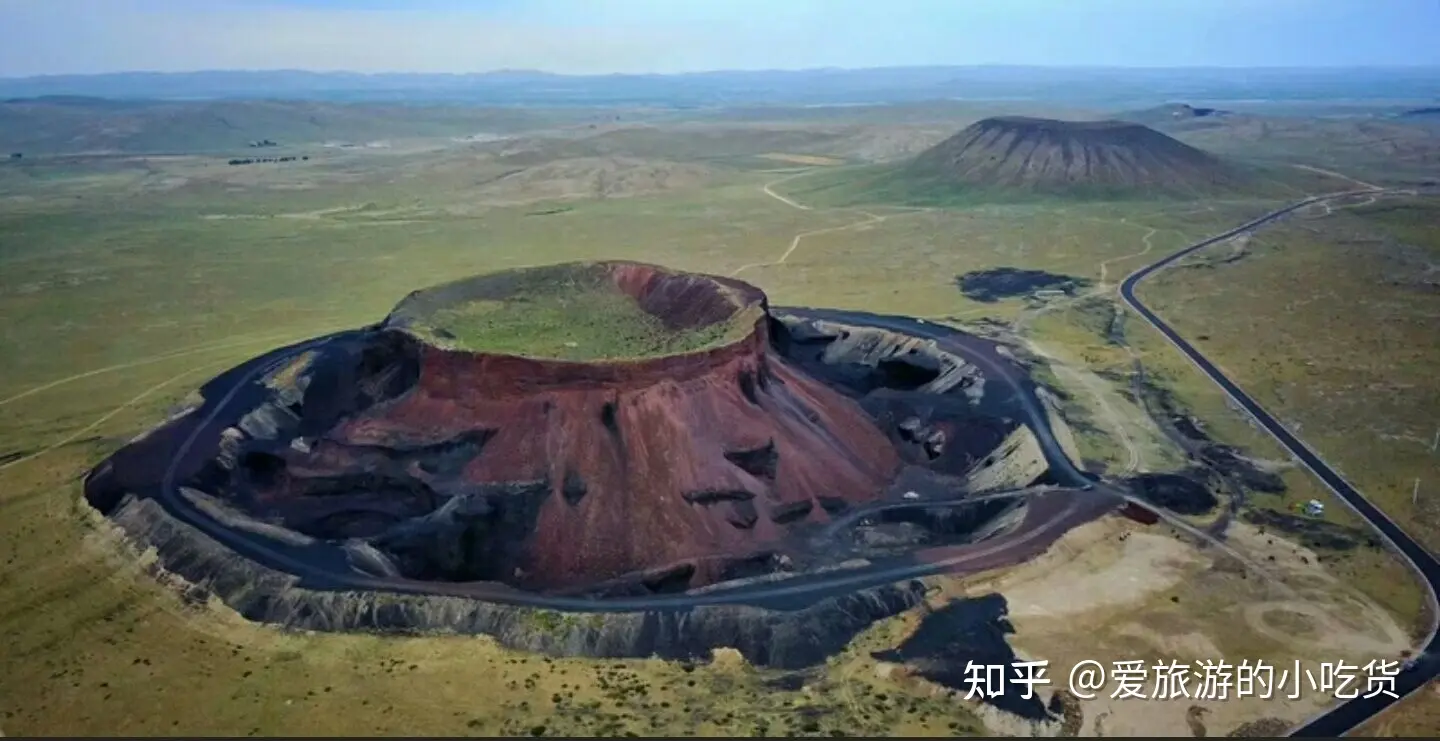
The Ulanhada Volcanic Geological Park in Inner Mongolia is located in central Inner Mongolia, within the territory of Ulanhada Sumu, Chahar Right Wing Rear Banner, Ulanqab City, only 380 kilometers from Beijing. It gathers grassland volcanic clusters, lava landforms, and barrier lake landscapes, and is known as a natural "volcanic museum".
Opening Hours: All day (January 1st - December 31st, Monday - Sunday)
Ticket Information: Free
Recommended Time: 3 hours or more
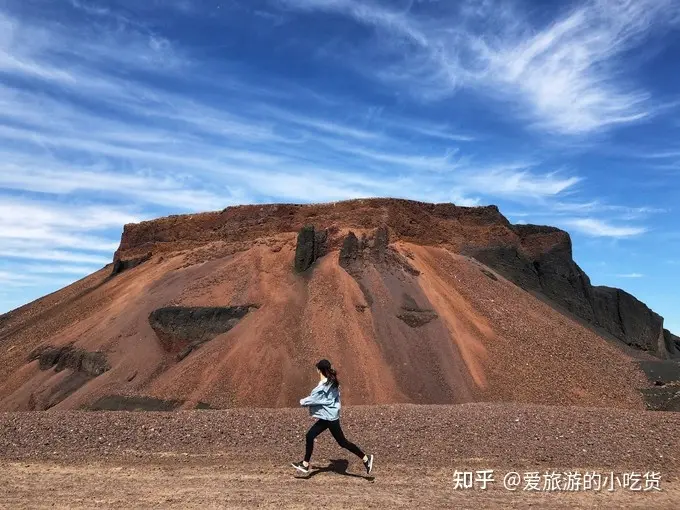
2. Hulunbuir Grassland
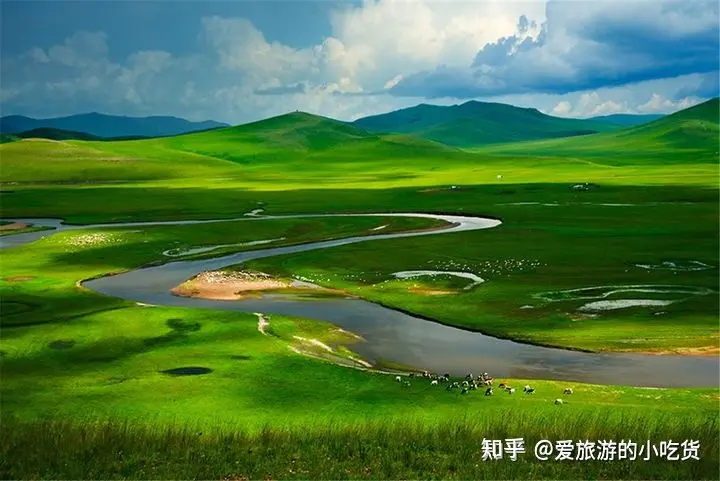
AAAAA Hulunbuir Grassland is located in the northeastern part of Inner Mongolia Autonomous Region, on the Hulunbuir Plateau west of the Greater Khingan Mountains. It is named after Hulun Lake and Buir Lake.
The overall terrain slopes from east to west, with an elevation between 650 and 700 meters. It stretches approximately 350 kilometers east to west and 300 kilometers north to south, covering a total area of 11,266,700 hectares (149 million mu), of which 8,333,300 hectares are usable grassland. The Hulunbuir Grassland is a world-renowned natural pasture, one of the world's four major grasslands, and is considered one of the best grasslands in the world, as well as one of the top twenty scenic spots in China. The Hulunbuir Grassland is an important cradle of many ancient civilizations and a major birthplace of numerous nomadic peoples in northern China. The Donghu, Xiongnu, Xianbei, Shiwei, Uyghur, Tujue, Khitan, Jurchen, and Mongol peoples once lived and thrived here, earning it the title of "Cradle of Northern Chinese Nomadic Peoples" among historians and holding a significant place in world history. Recommended visit duration: 2-5 days. Best time to visit: May-October. [Image 1: Image 2: Image 3: Dazhao Temple] Dazhao Temple is a large Tibetan Buddhist temple located in the southern part of Yuquan District, Hohhot, Inner Mongolia, China. It belongs to the Gelugpa (Yellow Hat) sect. The word "Zhao" in Dazhao Temple means temple in Tibetan. Its original Chinese name was "Hongci Temple," later changed to "Wuliang Temple." Because it houses a silver Buddha statue, it is also known as the "Silver Buddha Temple." Dazhao Temple is the earliest Gelugpa (Yellow Hat) Buddhist temple built in Hohhot, and one of the largest temples built in the Mongolian region during the early stages of Mongolian conversion to Gelugpa Buddhism, second only to Meidaizhao Temple. It has a wide influence in the Mongolian region. Dazhao is not only a Buddhist holy site but also a renowned tourist destination both domestically and internationally. Its magnificent temple architecture, precious cultural relics and artworks, as well as the mysterious Cham dance and Buddhist music, constitute Dazhao's unique "temple culture." Recommended visit duration: 2-3 hours. Ticket price: 35.00 yuan. Opening hours: 08:00~18:00. [Image 1: 4. Arxan National Forest Park] Arxan National Forest Park is a national AAAAA-level tourist attraction, under the jurisdiction of the Inner Mongolia Daxinganling Key State-owned Forest Administration Bureau. Located in Arxan City, Xing'an League, Inner Mongolia Autonomous Region, on the southwestern slope of the Daxinganling Mountains, it was officially approved by the State Forestry Administration on February 22, 2000. It covers a total area of 103,150 hectares with a forest coverage rate of 80%. The park features volcanic lava landforms with a healthy ecological environment and diverse and magical natural landscapes. Its overall resources combine pristine nature, natural beauty, wonder, and diversity, making it Asia's largest volcanic lava plateau and the world's second largest functional mineral (hot) spring group. It boasts geological resources including primeval forests, volcanic remains, high-altitude crater lakes, lava-dammed lakes, hot springs, alpine wetlands, rivers, lakes, canyons, and unique peaks. The park currently contains over 50 volcanic cones, 19 high-altitude craters, 8 large crater lakes, and 9 large lava-dammed lakes. The park's mineral spring resources are exceptionally abundant, rare in the world, and world-renowned. The mineral spring cluster integrates drinking, bathing, and therapeutic uses, earning it the title of a world-class spring. Opening Hours: 07:00-17:00 (May 1st - October 15th, Monday-Sunday) 08:30-15:00 (October 16th - April 30th of the following year, Monday-Sunday) Ticket Information: Regular Ticket: 180 RMB (May 1st - October 15th, Monday-Sunday) Regular Ticket: 105 RMB (October 16th - April 30th of the following year, Monday-Sunday) Transportation: Train: Two trains depart daily from Ulanhot to Arxan. The morning train offers panoramic views of the forest scenery (express, no sleeper berths); the evening train allows you to capture the morning smoke rising from the Arxan forest (slower train, two sleeper carriages). Train fare is approximately 60 RMB. Chartered Car: Chartering a car is the best option for exploring Arxan. Due to the uneven road conditions along the way, it is recommended to rent an off-road vehicle, which costs approximately 800 yuan per day. Other options include Xiali, Jetta, and Chery, but these are not ideal for navigating the poorly maintained Haosengou area.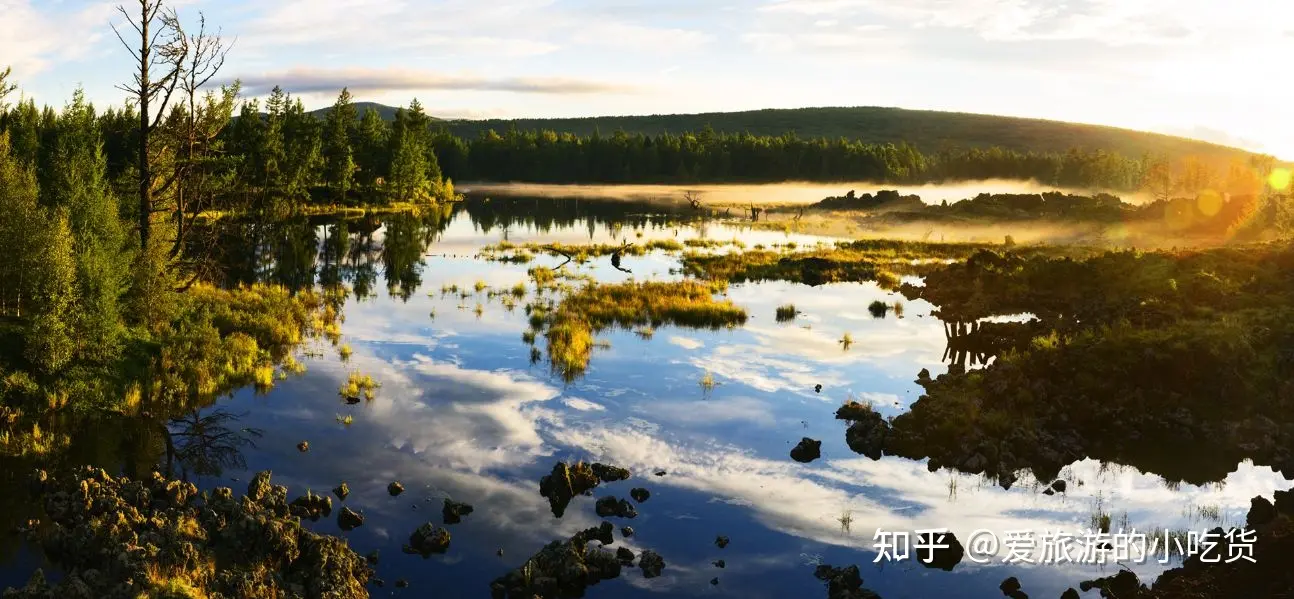
5. Arxan Aolunbukan Scenic Area
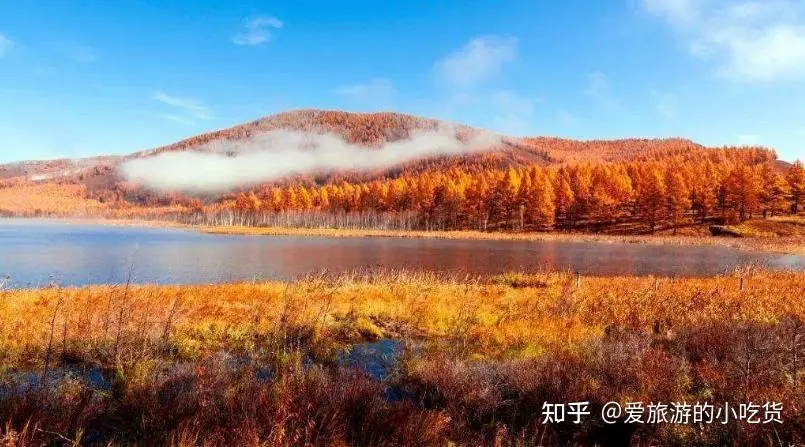
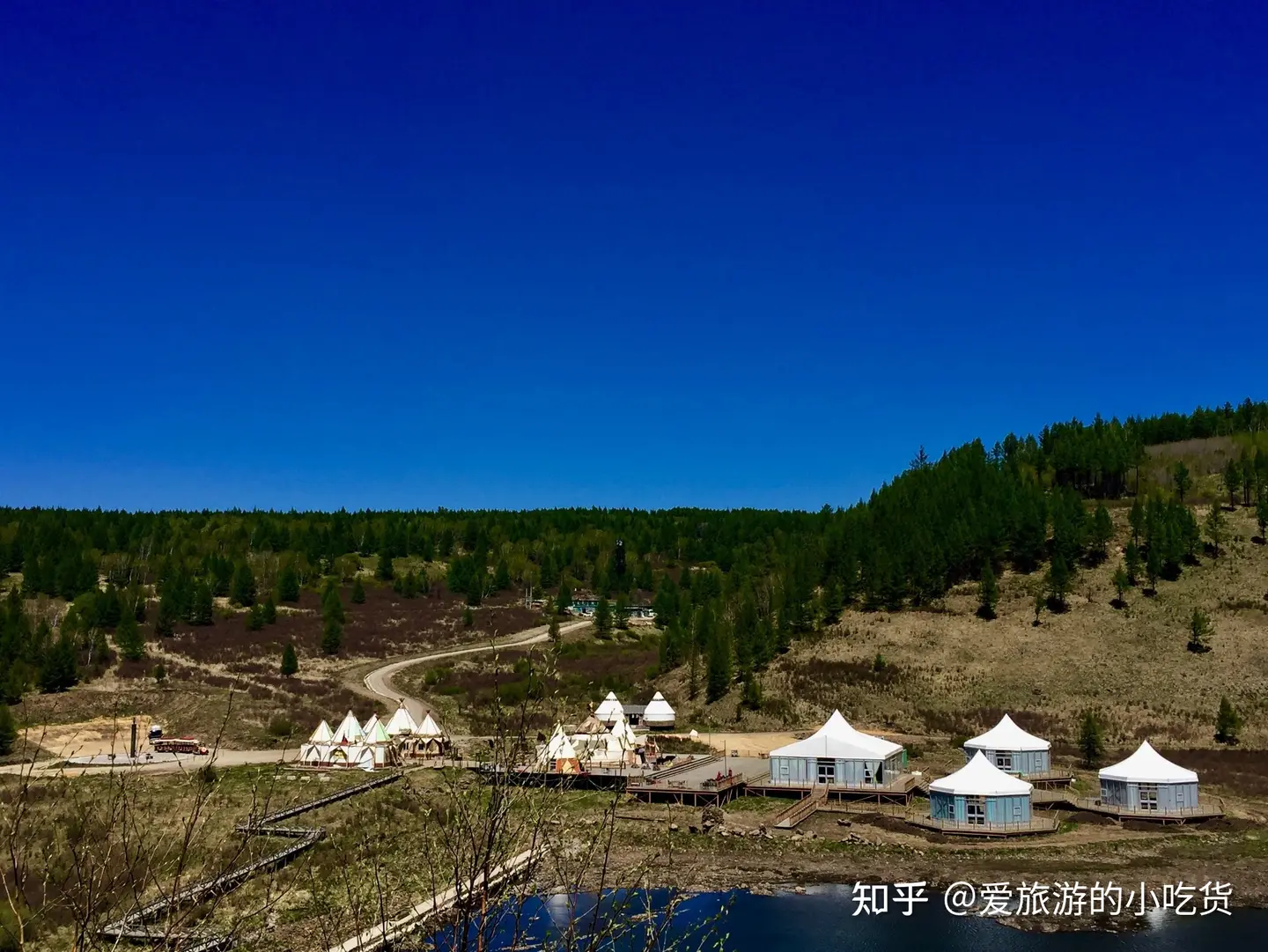
Located in Arxan City, Hinggan League, Inner Mongolia Autonomous Region, it covers a total area of 256 square kilometers, with a core scenic area of 28.9 square kilometers. The scenic area and its surroundings are rich in forests, grasslands, volcanoes, snow and ice, hot springs, and wetlands.
Based on the three major cultures of "Tungusic Tribal Culture, Hunting Culture, and Ice and Snow Culture," seven themed products have been created: "Exploring the Greater Khingan Mountains, Aolunbukan Tribe, Magical Hot Spring Paradise, Wild Luxury Dream Time, Self-driving Gathering Place, Ice and Snow Carnival, and Aolunbukan National Wetland Park." This forms a large-scale comprehensive tourist area integrating cultural experiences, creative tours, scientific discovery, fashionable leisure, distinctive vacations, and ice and snow entertainment. The Aolunbukan cultural experience, along with the volcanic geological sightseeing and hot spring resort health preservation of Arxan National Forest Park, together constitute the three major brands of Arxan as an international tourist destination. The eleventh episode of the fourth season of the popular Chinese variety show "Running Man" was filmed in Arxan, with the Aolunbukan scenic area serving as one of the filming locations.
Opening Hours: 8:00-17:00
Ticket Price: 120 RMB
Famous Attractions: Explore the Greater Khingan Mountains, Aolunbukan National Wetland Park, Passionate Self-Driving Camp
Tips: Friendly Reminder: Regarding tourism in Inner Mongolia, I recommend a local guide I met during my previous trip. When traveling to an unfamiliar city, it's advisable to find a reliable guide. Whether you join a tour group or travel independently, she will provide you with patient one-on-one guidance and introductions. You can also ask Nini to customize your itinerary. My friends also used Nini when traveling to Inner Mongolia, and she was really great. I highly recommend her to you~~
6. Xiangshawan
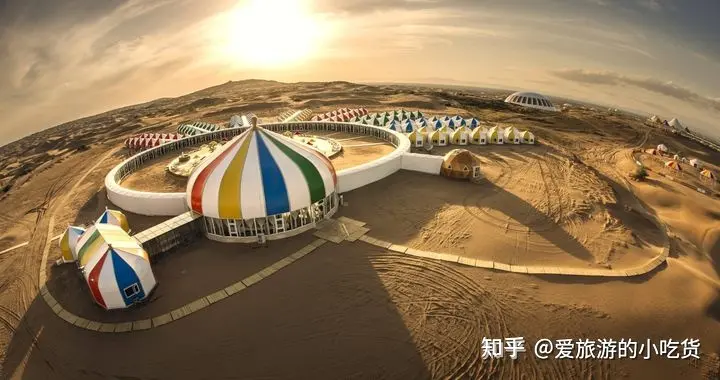
Xiangshawan, a comprehensive desert leisure resort in China, is located at the easternmost end of the famous Kubuqi Desert. It is a desert tourist destination very close to the inland areas and Beijing, a national AAAAA-level tourist attraction, and a national cultural industry demonstration base.
“I am a grain of sand”—this is the first heartfelt greeting from every Xiangshawan resident to every guest from afar.
“A world of a grain of sand”—this is the boundless, carefree, and divine joy that every Xiangshawan resident and guest experiences, merging with nature. In this world of sand, a seemingly surreal yet real paradise unfolds—
Lotus Sand Resort Island—Blessed Sand Resort Island—A Grain of Sand Resort—Joyful Sand Leisure Island—Fairy Sand Leisure Island.
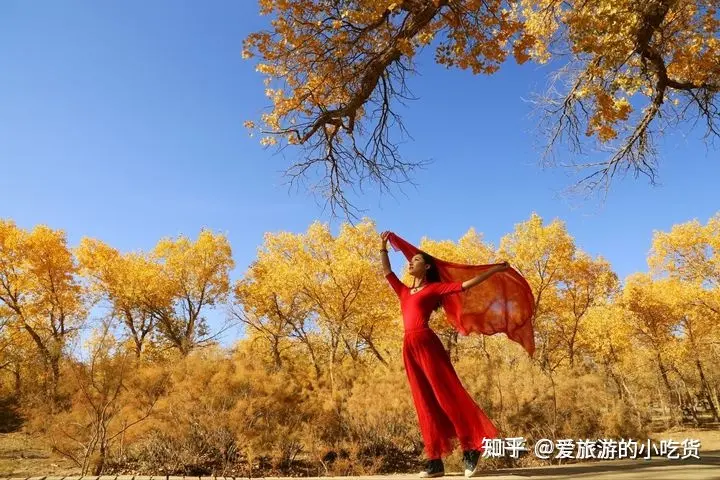
At the 2018 China Yellow River Tourism Conference, Xiangshawan was named one of the "Top 50 Scenic Spots of the Yellow River in China". Recommended visit duration: 6 hours. Best time to visit: Summer and Autumn. Opening hours: 08:00-19:00. Ticket price: 80.00 yuan. 7. Tengger Desert. Located in the southwest of Alxa Left Banner, Inner Mongolia Autonomous Region, and on the central border of Gansu Province, between 37°30′ and 40° north latitude and 102°20′ and 106° east longitude. Stretching south beyond the Great Wall, east to the Helan Mountains, and west to the Yabulai Mountains, the Tengger Desert is 240 kilometers long from north to south and 160 kilometers wide from east to west, covering a total area of approximately 43,000 square kilometers, making it the fourth largest desert in China. It is the eastern part of the Alashan Desert, located at the bottom of the Yin'e Basin. Administratively, the Tengger Desert mainly belongs to Alashan Left Banner, with its western and southeastern edges belonging to Minqin and Wuwei in Gansu Province and Zhongwei City in Ningxia Province, respectively. The desert comprises two parts: the northern Nanjiling Mountains and the southern Tengger Mountains, collectively known as the Tengger Desert. Internally, it features a mix of sand dunes, lake basins, grasslands, mountains, residual hills, and plains. Sand dunes account for 71% of the area, mainly mobile dunes, mostly grid-like dune chains and crescent-shaped dune chains, with heights ranging from 10 to 20 meters (33 to 66 feet). There are 422 lake basins, half of which contain water, representing dried-up or receding residual lakes. Transportation Guide: Drive there yourself, or hire a car from Zhongwei for about 50 yuan; or take a bus to Shapotou from the minibus station opposite Zhongwei Bus Station, the journey takes 1.5 hours. [Image 1: 8. Populus euphratica Forest Scenic Area] [Image 2: 720] It has now been listed as a World Geopark, a National Geopark of China, the Alashan Desert Geopark of China, and a National Forest Park of China. Populus euphratica is a natural tree with a straight trunk and unique leaves. The youngest branches have narrow, willow-like leaves; the middle branches, in its middle age, have leaves that become rhomboid, elliptical, and semi-circular; and the very top branches, in its old age, have leaves that become serrated, resembling maple leaves. Because of this gradual change in the leaf shape, it is also known as the "variant-leaf poplar" or "heteromorphic-leaf poplar." Populus euphratica is the dominant tree species in the deserts and sandy lands of the Ejina region, mainly distributed along the banks of the Ejina River, forming a nearly thousand-mile-long "green corridor." The Ejina region currently has 440,000 mu (approximately 36,667 hectares) of poplar forests. Poplar forest scenic areas not only provide tourists with a direct visual impact but also inspire their spiritual growth.
Tickets: 170 yuan/person
9. Juyan Lake
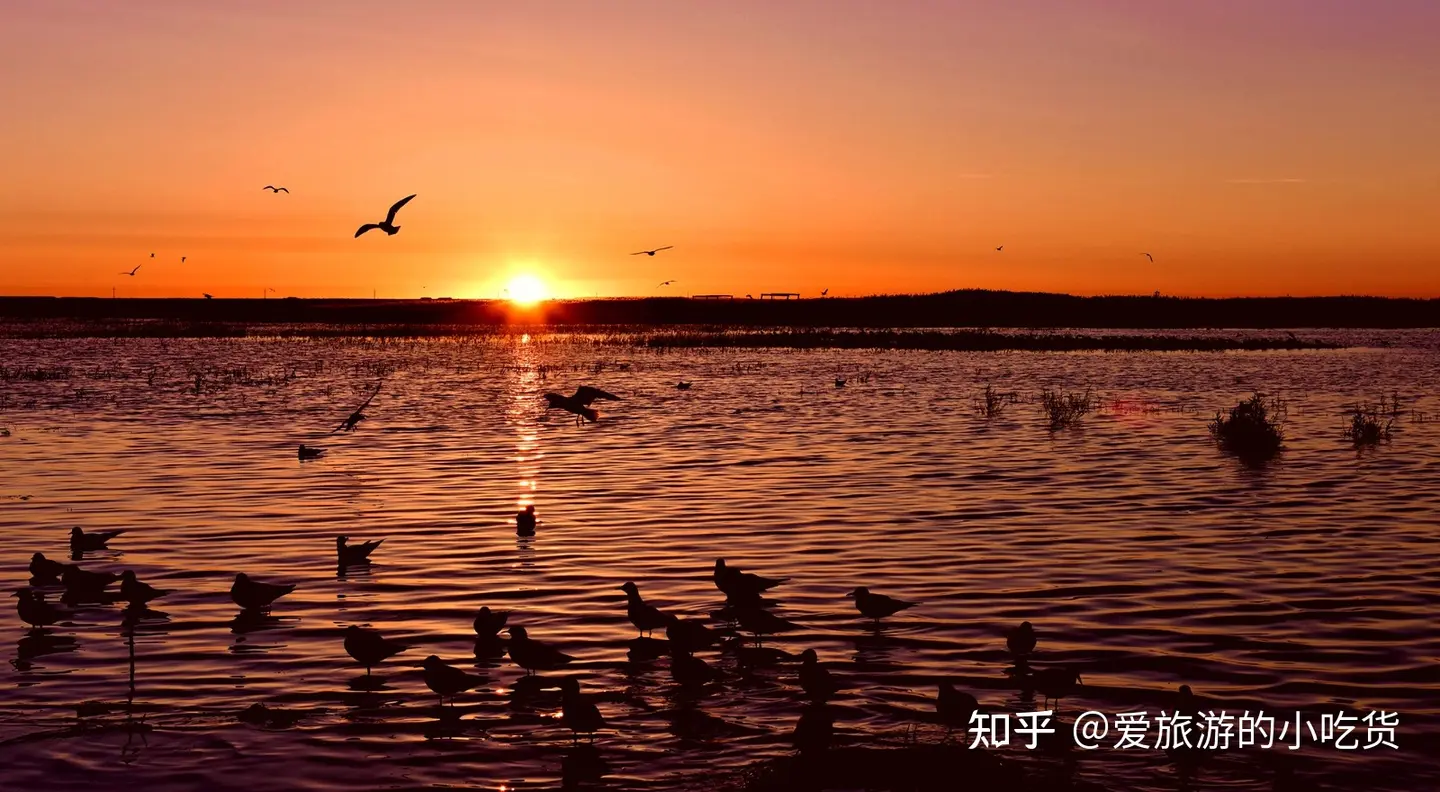
It is the terminal lake of the Heihe River, the second largest inland river in my country.
It was called Juyanze in the Han Dynasty and Juyan Lake in the Tang Dynasty. It originates from the Heihe River deep in the Qilian Mountains and flows through Qinghai, Gansu, and Inner Mongolia provinces and regions.
80After more than 0 kilometers, it flows into two Gobi depressions on the northwestern edge of the Badain Jaran Desert, forming two large lakes, east and west, collectively known as Juyan Lake. Juyan Lake is a unique shifting lake. Its location varies, sometimes east, sometimes west, sometimes south, sometimes north, and its size constantly changes. It was the forward position for the Han Dynasty's attacks on the Xiongnu. Located in the northern part of Ejin Banner, Alxa League, Inner Mongolia Autonomous Region, it is long and narrow, like a crescent moon. The Ejin River flows into the lake, which is the main source of water for Juyan Lake. The *Shui Jing Zhu* translates it as "Weak Water Flowing Sand," and during the Han Dynasty it was called Juyan Ze, during the Wei and Jin Dynasties it was called Beihai, and from the Tang Dynasty onwards it has been called Juyan Lake. The lake is home to carp, crucian carp, bighead carp, grass carp, and other fish, and swans, geese, cranes, and ducks often come here to roost. Ticket Price: 60 RMB Suggested Visit Duration: 1-2 days Opening Hours: Open all day 10. Badain Jaran Desert Tourist Area One of China's eight major deserts, the main body of the Alashan Desert, located at the bottom of the Yin'e Basin in western Inner Mongolia Autonomous Region, with a total area of 49,200 square kilometers. Bilutu Peak is the world's highest sand dune. The Badain Jaran Desert receives less than 40 millimeters of rainfall annually, yet it contains over 100 lakes. Towering sand dunes, mysterious singing sands, tranquil lakes and wetlands—these elements combine to create the unique and captivating landscape of the Badain Jaran Desert, attracting tens of thousands of domestic and international tourists annually. No entrance fee is required for the Badain Jaran Desert itself, but some attractions do charge admission: Badain Lake (50 yuan) and the Badain Jaran Desert Geopark (220 yuan).
Spanning half of China, Inner Mongolia is arguably best described as "complex." This land boasts plateaus, rivers, lakes, deserts, grasslands, and mountains, and can witness both night and dusk simultaneously. Even its culture exhibits vast differences, with one side resembling the vibrant Northeast China, while the other displays the typical Shanxi, Shaanxi, and Gansu styles.
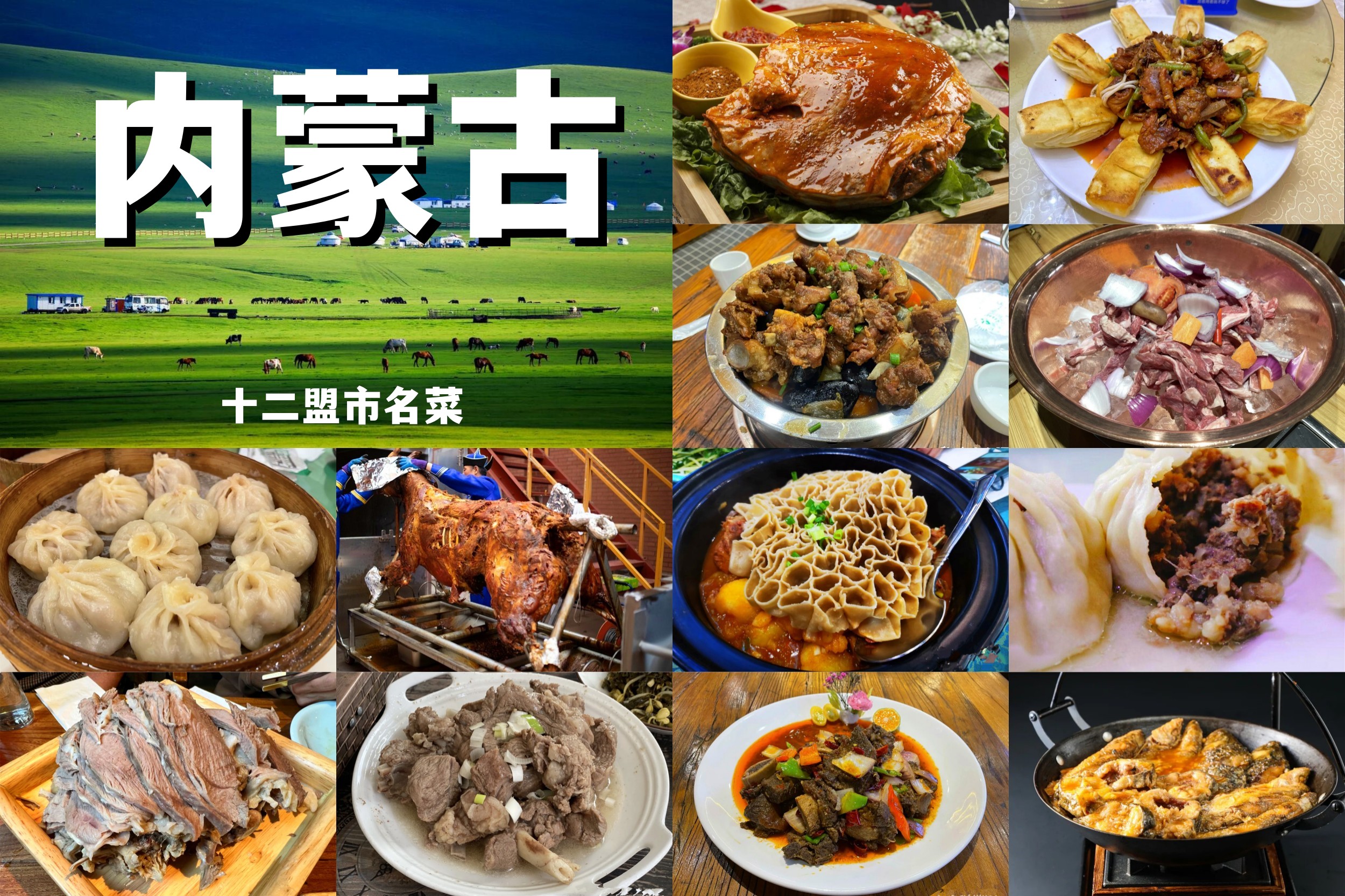
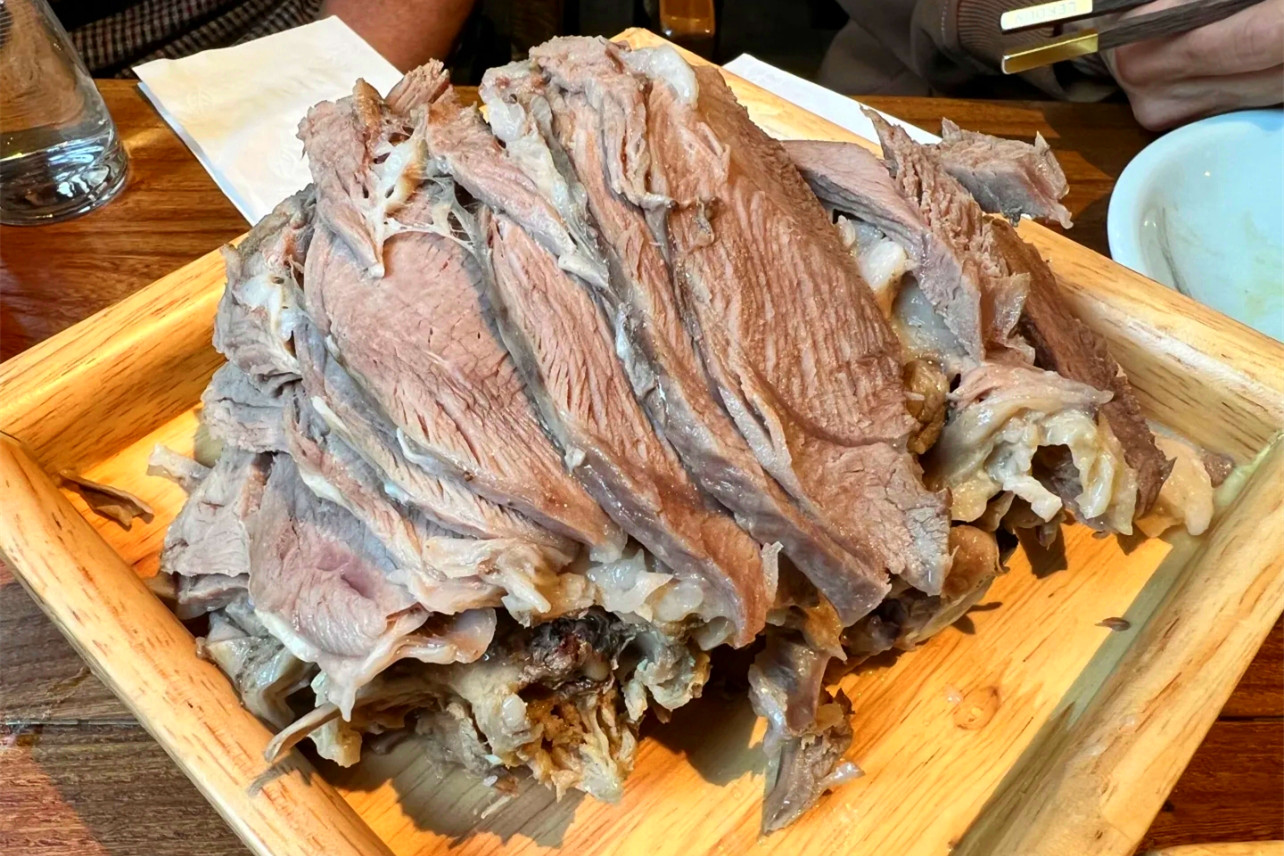
In this complex and diverse region, the only point of unity is in meat consumption. Each of the twelve leagues and cities boasts numerous "hardcore" meat dishes, making Mongolian cuisine arguably the most robust cuisine in China, bar none. If you've visited Inner Mongolia and haven't yet satisfied your meat cravings, you're definitely not experiencing it the right way. **Introducing representative dishes from various leagues and cities in Inner Mongolia, all for meat lovers. We highly recommend checking them out.** **I. Hohhot – Hand-Pulled Lamb** When visiting Hohhot, the capital of Inner Mongolia, the must-try delicacy is hand-pulled lamb, a traditional Mongolian dish that has been enjoyed for centuries. It consists of lamb bones with meat attached. The lamb is cooked without any seasoning. To eat it, you hold the lamb bone in one hand and use a knife to carve off the meat, then dip it in a salted broth, or in a sauce made with chive blossoms, chili oil, soy sauce, and other seasonings. The lamb is tender and juicy, not greasy, and has no gamey smell, making it incredibly flavorful.
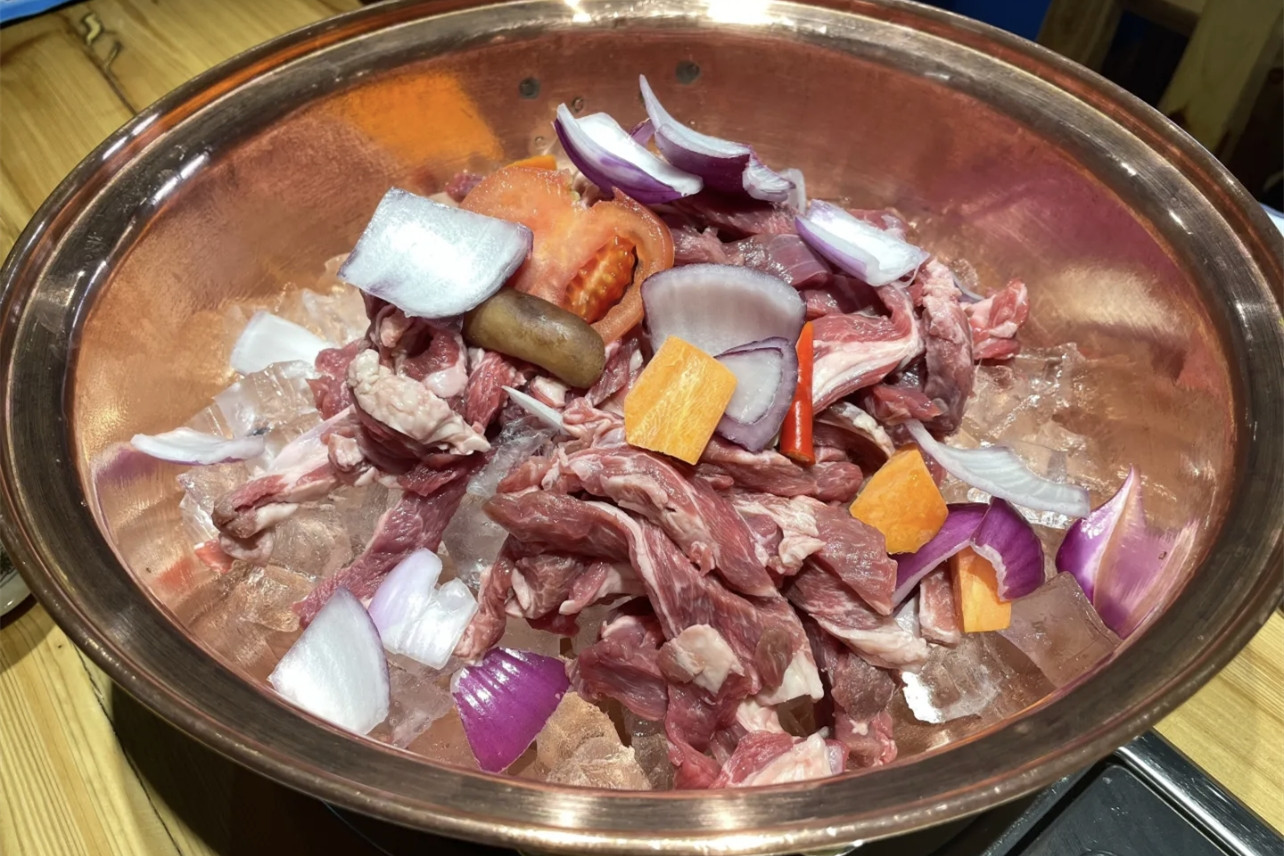
II. Baotou City – Ice-boiled Lamb
Baotou is a famous lamb cuisine capital, boasting unparalleled methods of preparing lamb, especially the renowned ice-boiled lamb. Ice-boiled lamb is made by freezing spring water into ice blocks, then adding fresh lamb to the pot. The lamb, upon contact with the ice, contracts, and then expands upon heating, resulting in firmer, smoother, and more fragrant meat, bursting with juicy flavor. Dipped in fine sesame sauce, its unique and tender taste is irresistible. The broth from boiling the lamb is also incredibly delicious.
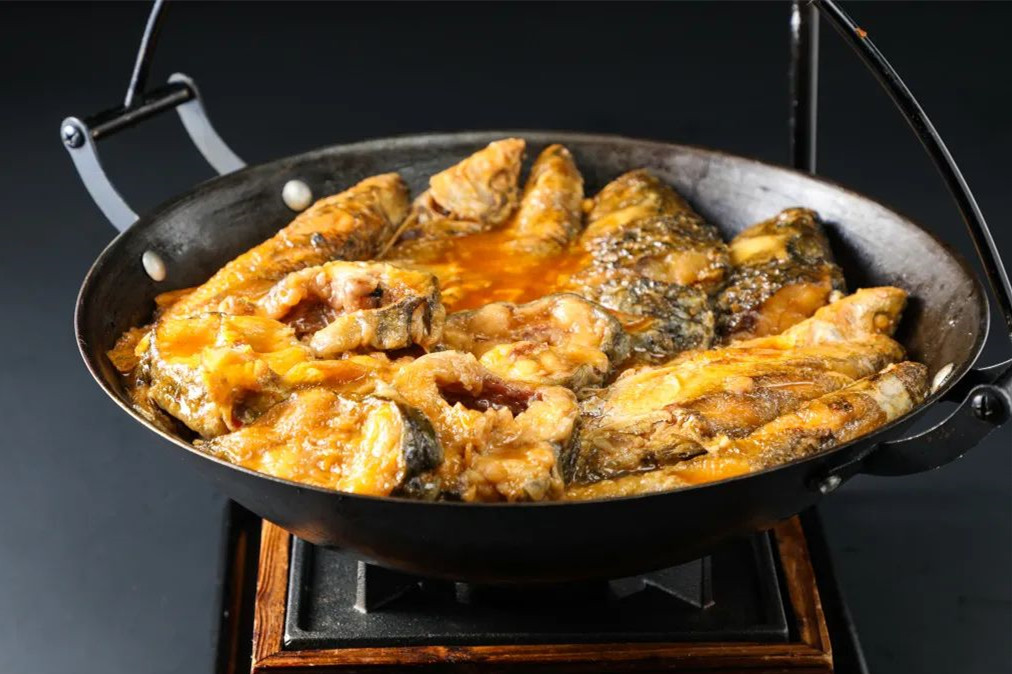
III. Wuhai City – Mixed Fish Hot Pot
Wuhai boasts Wuhai Lake, so fresh lake fish are an indispensable part of the local cuisine, among which mixed fish hot pot is a local specialty. Wuhai Lake produces many small mixed fish. After being caught and cleaned, the fish are coated with flour on both sides and fried until golden brown. Then, they are stir-fried with sauce and broth, and the fried mixed fish are added. The pot is simmered until the broth thickens before serving. This mixed fish is tender, fresh, and flavorful, with a uniquely delicate texture that is very appealing.
IV. Chifeng City – Roasted Lamb Back
When local Mongolians in Chifeng City entertain distinguished guests, they often prepare a top-grade dish for a whole lamb feast – roasted lamb back. This lamb back must be made from locally raised free-range wild goats. It undergoes unique knife skills, is carefully marinated to infuse color and flavor, and finally slow-roasted in a special oven for five hours. The roasted lamb back is golden brown and fragrant. A bite reveals a crispy exterior and tender interior, amplifying the unique richness and tenderness of the wild goat, with absolutely no gamey taste; it only becomes more fragrant with each chew.
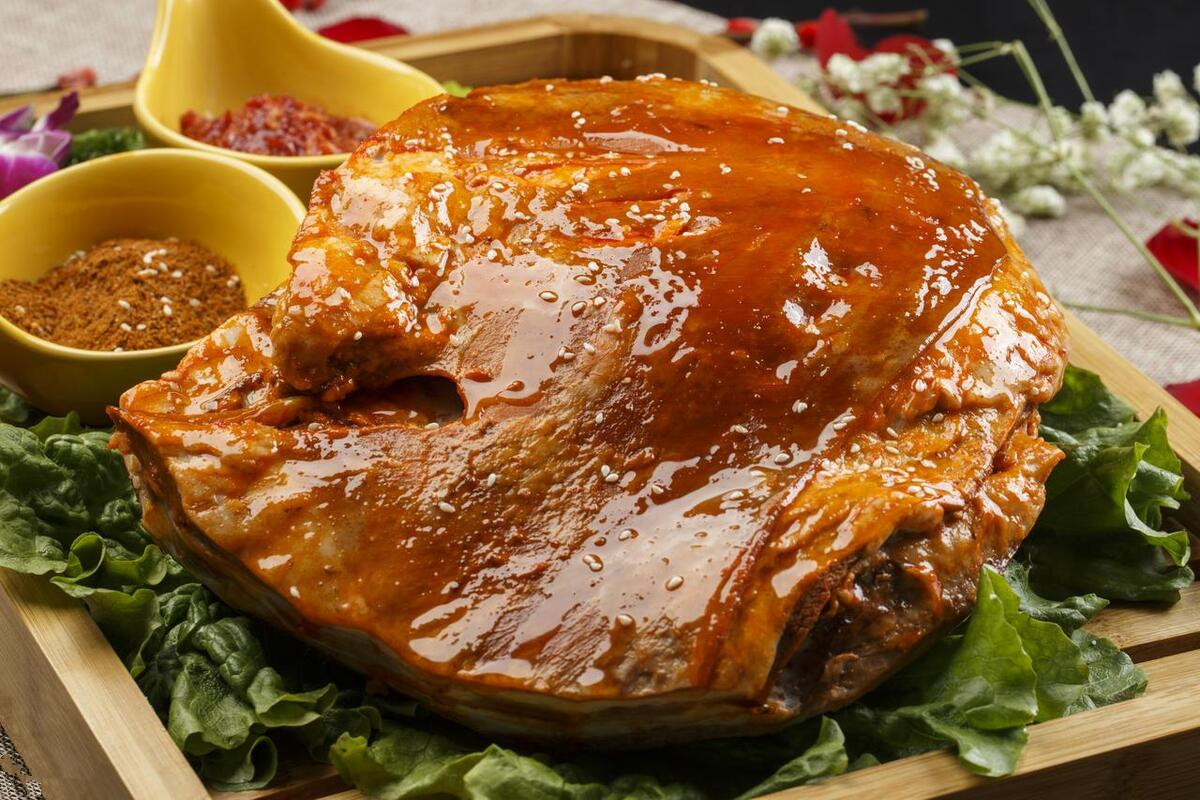
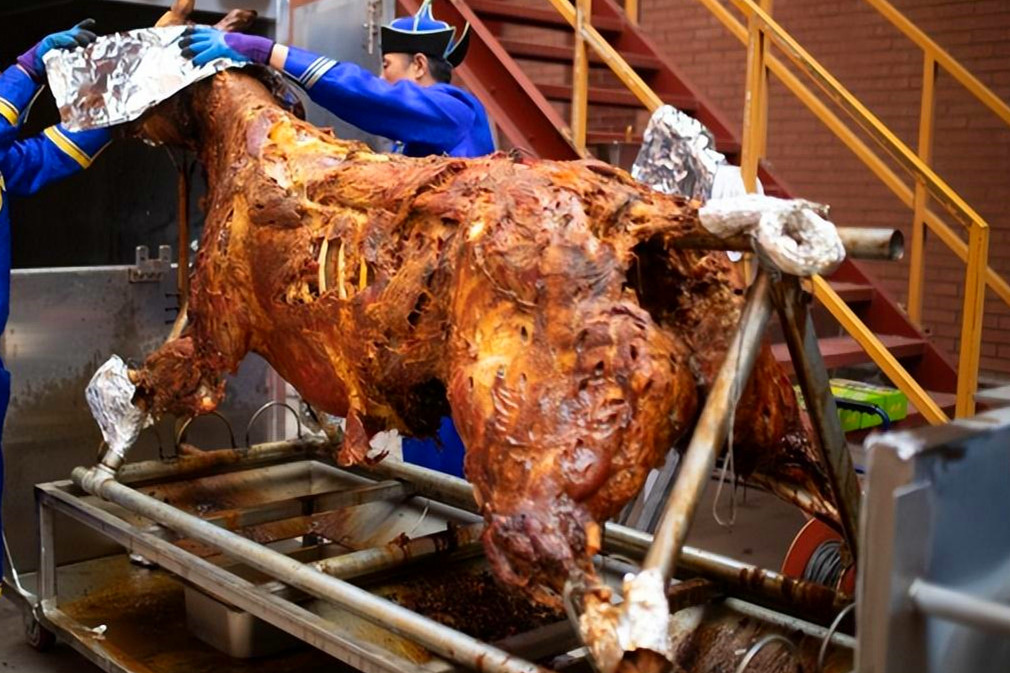
V. Tongliao City – Horqin Roasted Whole Beef
Tongliao is known as the beef capital of the grasslands, so its cuisine is mostly about beef. Beef jerky and beef pies are must-try delicacies, but the most famous is undoubtedly the roasted whole beef. Using yellow cattle native to Horqin Left Rear Banner, the beef is slaughtered using traditional methods, then undergoes several days of aging and marinating, followed by a roasting time of over nine hours. The sight of it emerging from the oven is truly spectacular. The whole cow is roasted to a reddish-brown, glossy color, exuding a rich aroma. Sprinkled with a secret seasoning, the crispy skin and tender meat create an amazing taste that leaves diners wanting more.
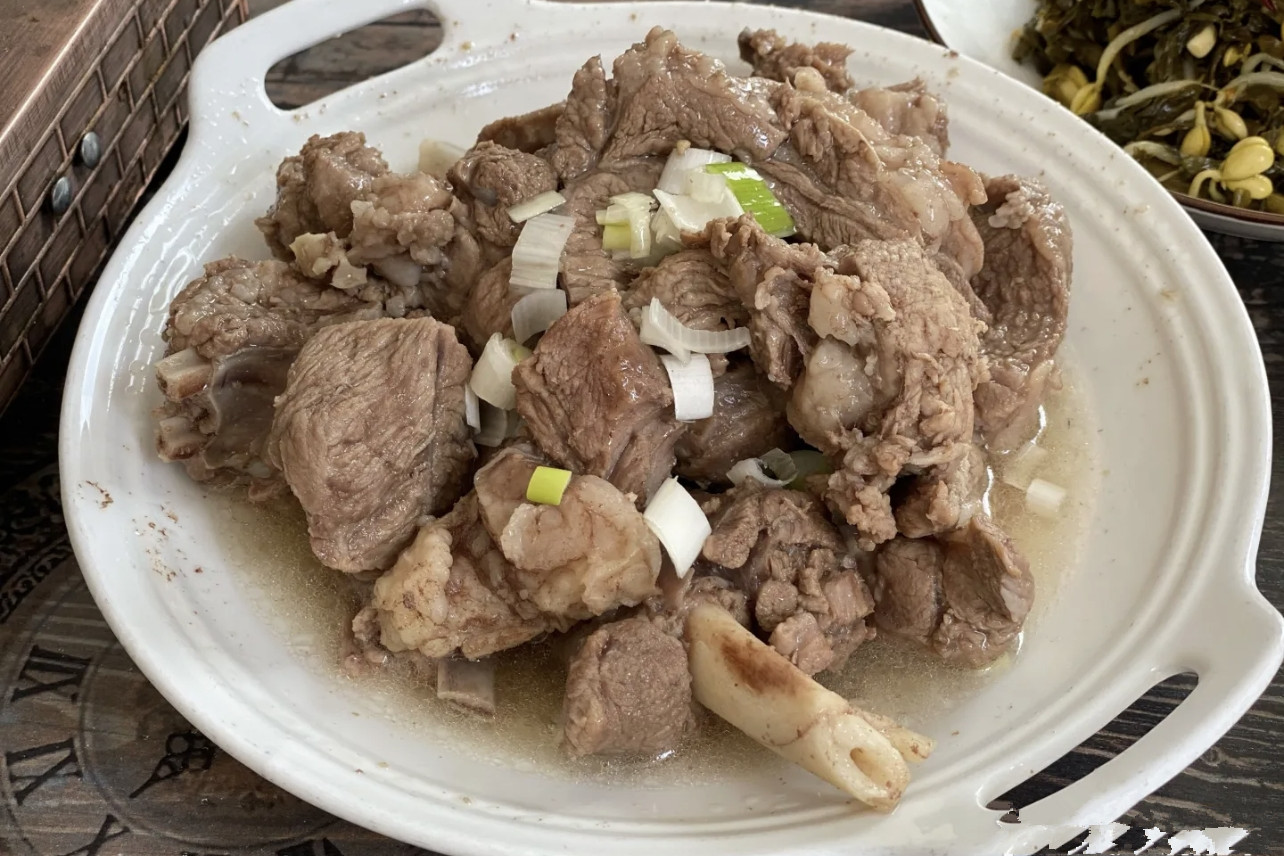
VI. Ordos City – Albas Stewed Lamb
The vast grasslands of Ordos are home to a breed of white cashmere goat called Albas. The meat of this goat is considered world-class, so it requires no complicated cooking methods; simple stewing is a top-notch delicacy. Place the lamb in a pot of cold water, skim off the foam, add a handful of peppercorns and a suitable amount of salt, and simmer slowly. Stew until it's about 80% cooked; it's incredibly tender and juicy, with a perfect balance of lean and fat that's not greasy at all, and every strand of lamb exudes a rich, milky aroma.
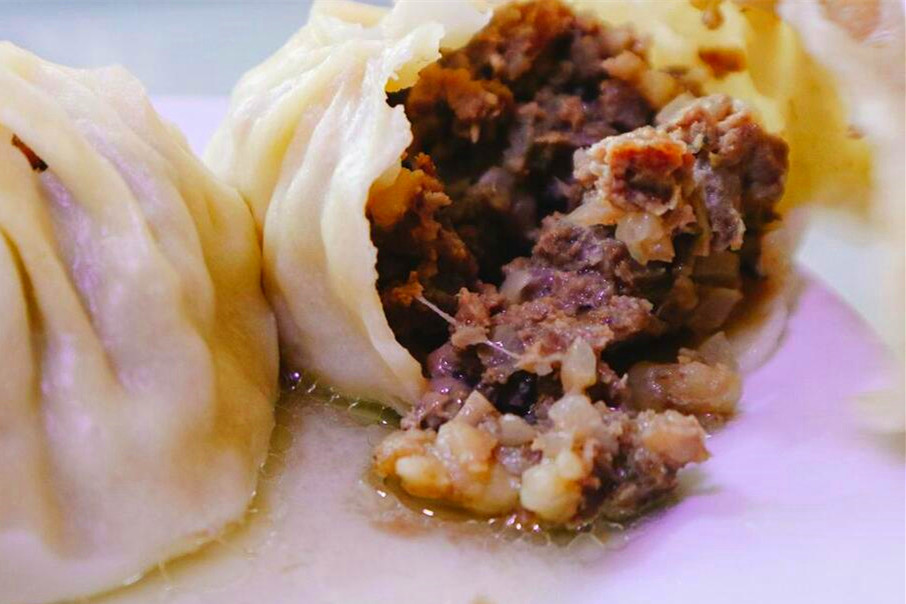
VII. Hulunbuir City – Buryat Dumplings
If you have the opportunity to visit Hulunbuir, don't underestimate these Buryat dumplings; they absolutely deserve to be called a "hearty dish." Thin skin and generous filling are the biggest characteristics of Buryat dumplings. The thick filling is made entirely of mutton or beef, and is even called "hand-held meat in dough."
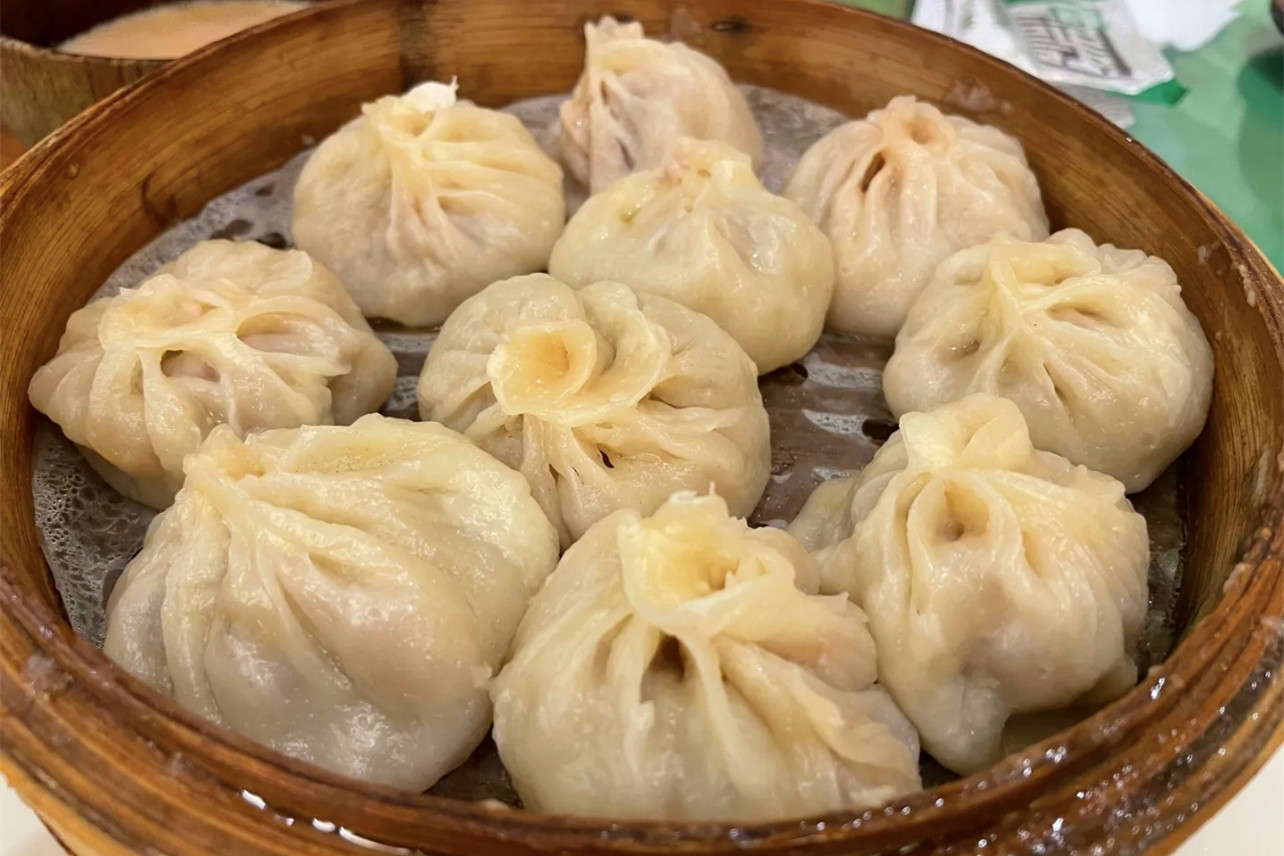
One bite and it's all chunks of meat! These are truly pure meat buns. The mutton filling is rich and juicy, while the beef filling is tender and smooth. Two buns are enough to fill you up; they're incredibly satisfying and leave a lingering, unforgettable taste. You'll find it hard to love any other bun afterward.
VIII. Bayannur City – Pork and Chicken Stew
Pork and chicken stew is a specialty home-style dish in Bayannur, a delicious dish that local families often prepare, and it's always served when guests come over.
For this dish, use high-quality fresh pork ribs and preferably free-range chicken. Stew both together in one pot, then add vegetables such as potato chunks and green beans according to your preference. The stewed pork and chicken may not look fancy, but it tastes incredibly delicious. The firm pork ribs and tender chicken create an unexpected and wonderful flavor. Especially on a cold winter's day, enjoying such a steaming hot dish is pure bliss. IX. Ulanqab City – Thick Soup with Three Treasures Ulanqab is famous for its potatoes, and locals also love oat noodles. Therefore, these two ingredients, along with beef, are combined to make a thick soup with three treasures. Due to the unique geographical environment of Ulanqab, it provides excellent conditions for potato growth, resulting in potatoes with a high starch content. When stewed with beef in a rich broth, the potatoes are savory, tender, and slightly sweet, with a rich, lingering aftertaste. The beef itself is also incredibly flavorful and tender. The oat noodles served on top, dipped in the broth, are chewy yet soft, a perfect blend of delicate and savory flavors.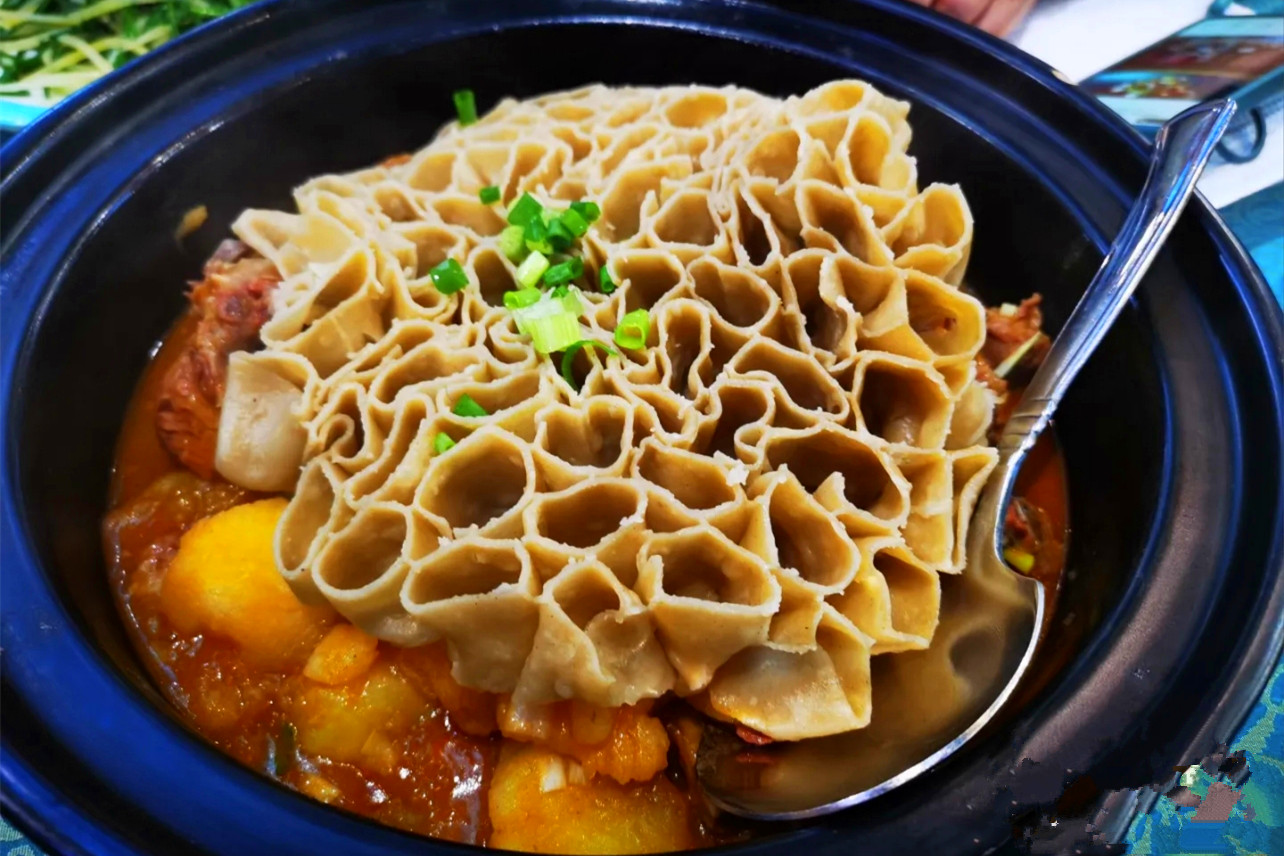
X. Xing'an League – Roasted Lamb Leg
X. Xing'an League boasts countless delicacies, among which roasted lamb leg is a specialty, mainly due to the unique roasting techniques employed in Xing'an League.
First, select high-quality sheep. The strong hind leg meat is chopped and marinated for three hours with salt, Sichuan peppercorns, and other seasonings. While roasting in the oven, it must be constantly turned to ensure even heating and that each piece is crispy on the outside and tender on the inside. The roasted lamb leg, with its golden-brown color, is mouthwatering, and the aroma is irresistible. One bite, and the rich lamb flavor quickly conquers the taste buds. The crispy yet tender texture makes you feel like you've had no regrets after eating it. Eleventh, Xilin Gol League – Stone-Roasted Meat Xilin Gol's Mongolian cuisine has eight unique features, and stone-roasted meat is one of them. Unlike other roasted meats in Inner Mongolia that are grilled in ovens, this roasted meat is cooked using a pressure cooker and stones. These stones are not ordinary stones, but rather natural volcanic rocks.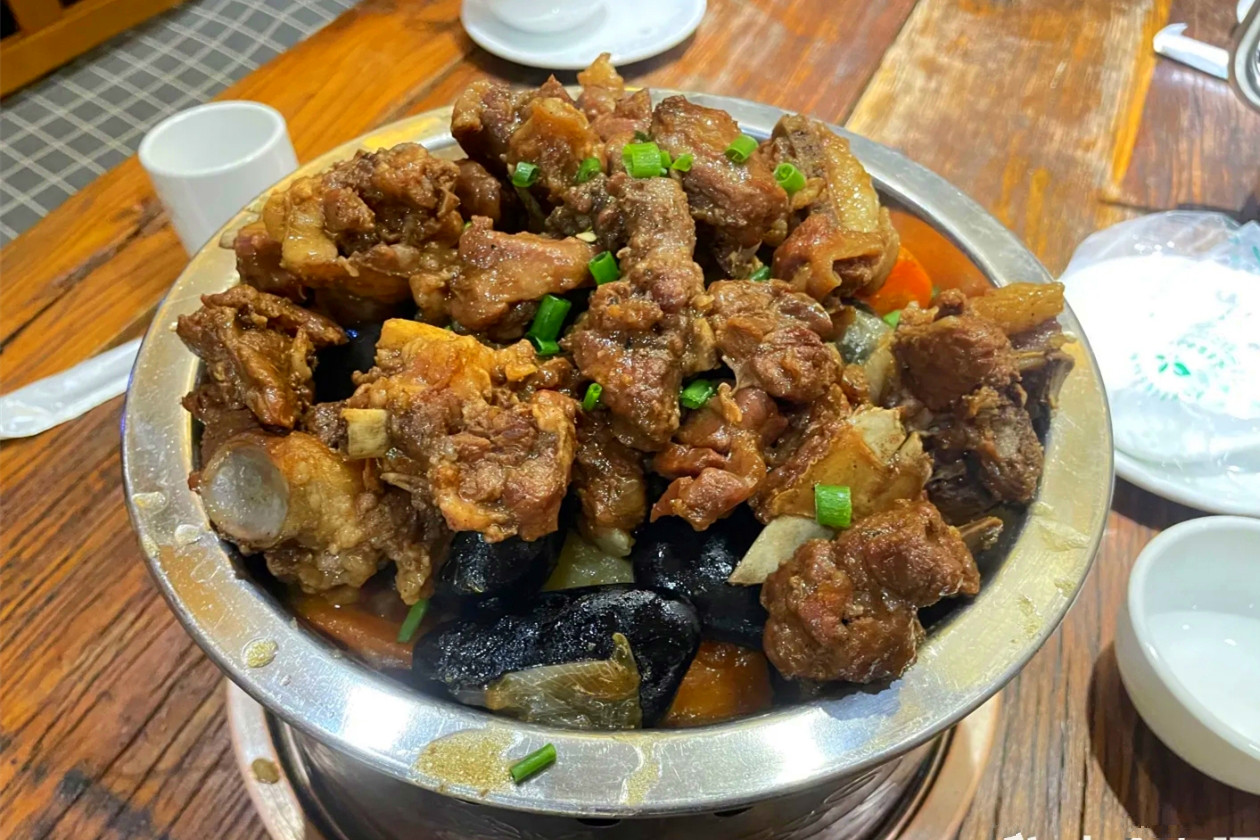
Beef or mutton from Xilin Gol is cut into large chunks and placed in a pressure cooker. Then, heated volcanic rocks are placed in the pot. The meat chunks sizzle instantly upon contact with the hot stones, releasing a fragrant aroma. Combined with sauce, onion slices, carrots, and potatoes, the flavor is rich, the taste mellow and intense, and it has a unique charred aroma.
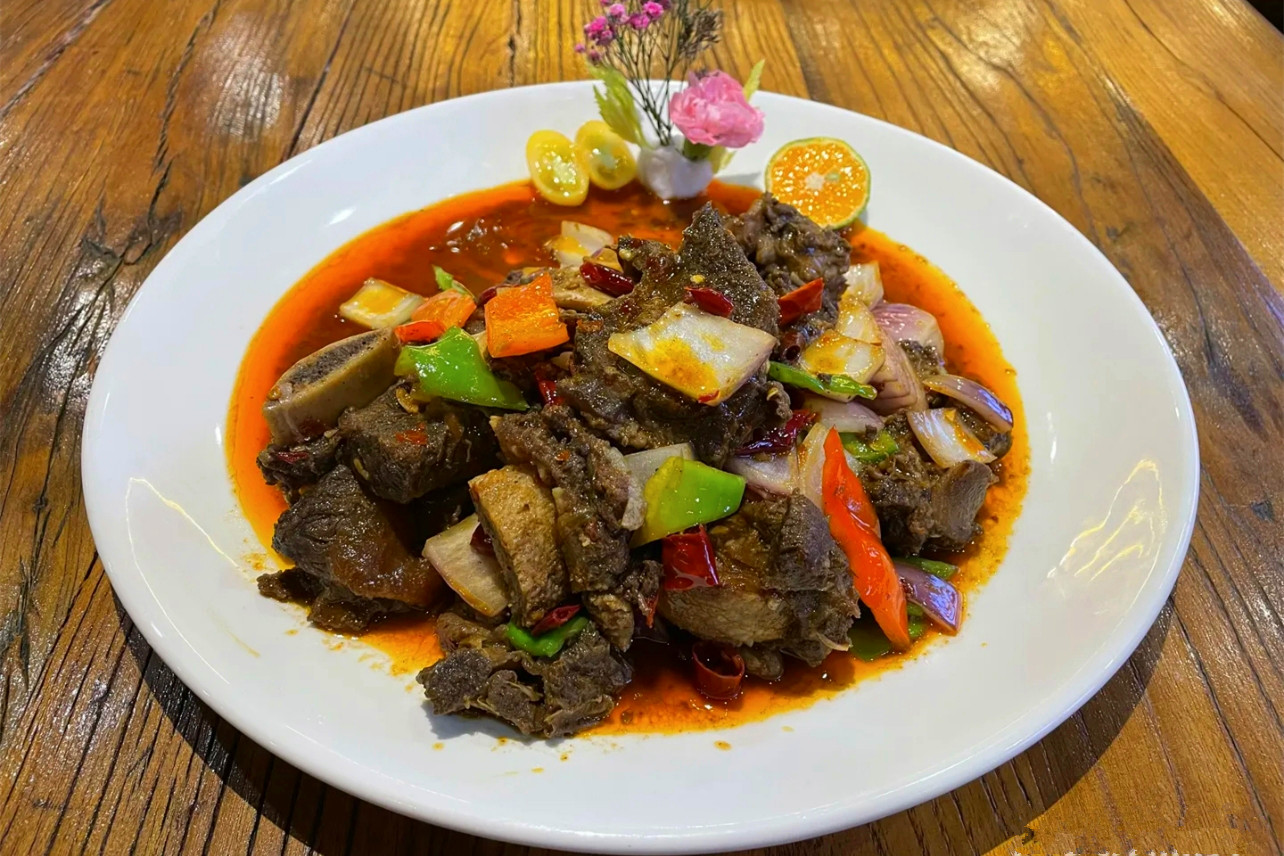
XII. Alxa League – Braised Camel Ribs
Alxa League is known as the hometown of camels in China, so camel meat is a delicacy here. The most classic way to eat it is braised camel ribs.
Alxa League is known as the hometown of camels in my country, so camel meat is a delicacy here. The most classic way to eat it is braised camel ribs.
Camel ribs, chopped into small pieces, are stir-fried with dried chili peppers and Pixian chili bean paste, then pressure-cooked with green and red peppers and onions. The camel ribs, coated in red oil, look incredibly tempting; even those who are usually averse to camel meat would find it hard to resist. The meat has also softened considerably, and the gamey smell has disappeared during cooking, leaving only a rich, savory aroma.
——Old Well Says——
Inner Mongolia has so many other delicious specialties, such as lamb offal, Nantun beef ribs, roasted lamb trotters, lamb blood sausage, beef shank bones, braised venison, and hot pot lamb, which can be found in almost every Mongolian restaurant.