
Tibet - Potala Palace
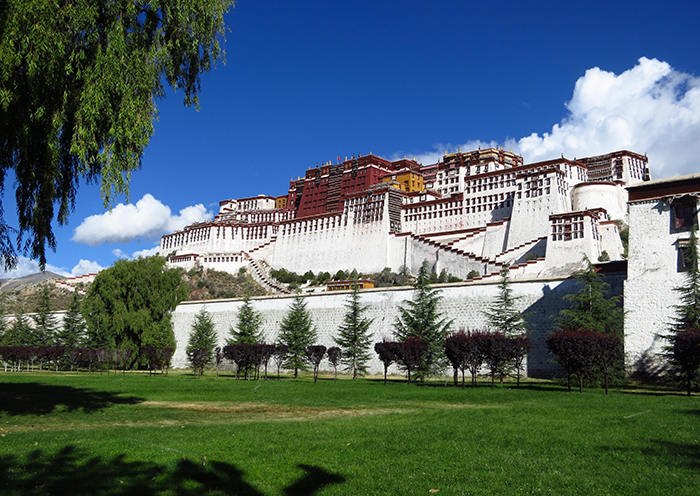
The world's highest palace complex, a sacred site of Tibetan Buddhism, and a symbol of Tibetan culture. Built in the 7th century AD, the palace is the most important historical and cultural site in Tibet and has been listed as a World Heritage Site.
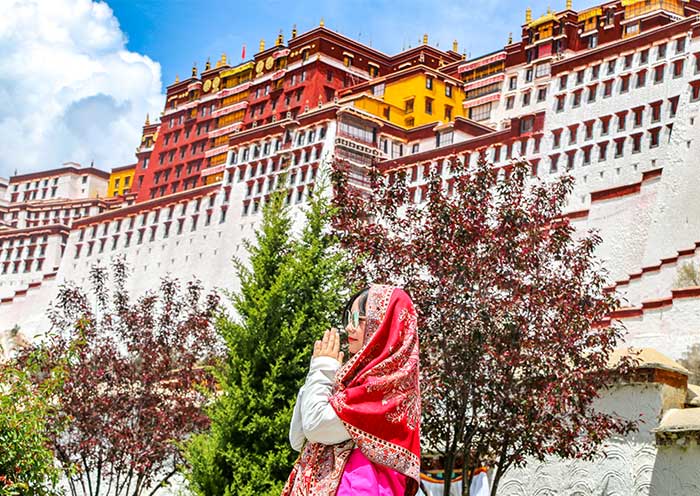
When is the best time to visit the Potala Palace in Tibet?
The Potala Palace is a must-see attraction in Tibet, a magnificent palace that embodies the fantasies of many. So, when is the best time to visit the Potala Palace? Let the editors of China Tibet Tourism Network tell you. The best time to visit the Potala Palace is from June to October, with July and August being the busiest months. During this time, Tibet's climate is warm and humid, making it the ideal season. This is also Lhasa's rainy season. During the rainy season, Lhasa's vegetation grows lushly, and the oxygen content is significantly higher than in the sparsely vegetated winter, reducing the likelihood of altitude sickness for visitors.
The Potala Palace is not just a palace, but also the tallest and most magnificent building in Lhasa's old city. Visiting the Potala Palace requires climbing over a hundred steps, like a pilgrimage—difficult but meaningful. During the climb, you can enjoy panoramic views of Lhasa.
The interior of the Potala Palace displays many exquisite murals and stupas. Visiting the interior is possible year-round. However, the exterior scenery changes with the seasons.
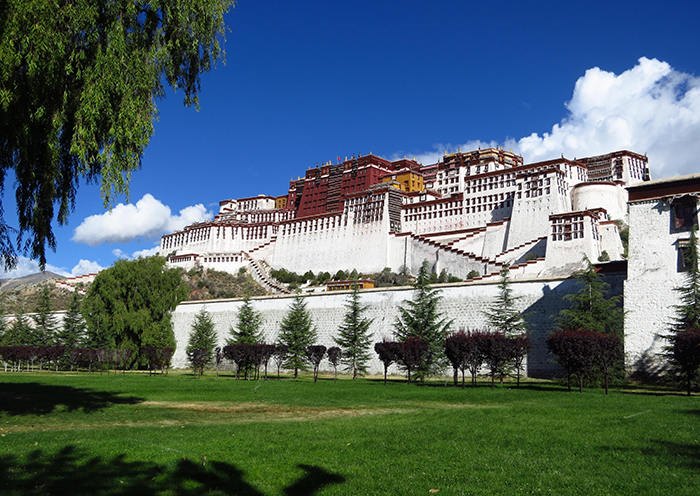
1. Visit the Potala Palace in Spring (March-May): Lhasa is still slowly recovering in spring, and the weather is not as cold, especially when the sun is shining brightly. This makes it a comfortable time to visit the Potala Palace, overlook the city's spring scenery, and feel the warmth amidst the lingering chill. Furthermore, there are fewer tourists in spring, making tickets easier to purchase.
Potala Palace
Potala Palace in Spring
2. Visit the Potala Palace in Summer (June-August): The Potala Palace is most crowded in July and August. This is the best time to visit as Tibet's climate is warm and humid. This is Lhasa's rainy season, and during this time, the vegetation is lush, resulting in significantly higher oxygen levels compared to the sparser vegetation of winter, reducing the risk of altitude sickness.
Summer is the peak tourist season in Tibet and the busiest time to visit the Potala Palace. From morning till night, crowds stream up the long staircases, making tickets scarce. Reservations often need to be made several days in advance, and there are strict time restrictions for visiting.
Climbing the long steps in summer allows you to experience the unique beauty of Lhasa in summer: blue skies, white clouds, lush greenery, and a refreshing atmosphere. No wonder so many people from home and abroad come to experience the charm of this palace during the summer.
However, summer visits may involve queues—queues for tickets, queues to enter the halls, and sometimes long waits under the scorching sun. So remember to wear sunscreen!
Remember to book in advance. The China Tibet Tourism website can provide Potala Palace ticket booking services.
Potala Palace
Summer Potala Palace
3. Autumn (September-November) to Visit the Potala Palace
Autumn is actually the most beautiful season in Lhasa. Under the blue sky and white clouds, yellow appears more mysterious than green, and is more in line with the colors of Tibet. Green evokes a sense of comfort and coolness, while golden yellow inspires reverence and nobility, making a visit to the Potala Palace even more sacred and meaningful.
There are fewer tourists in autumn compared to summer. There are generally no queues during visits, and taking photos on the long steps won't be so crowded. I was fortunate enough to visit the Potala Palace in early November. The scenery was truly breathtaking, and Lhasa's autumn weather is mostly sunny and comfortable, with clear skies and crisp air. Even under the sun, it wasn't cold, making it perfect for a leisurely visit.
Potala Palace
Potala Palace in Autumn
4. Visiting the Potala Palace in Winter (December-February)
Many people say that winter isn't suitable for visiting the Potala Palace because it's too cold. However, visiting the Potala Palace in winter has many advantages.
Firstly, there's no entrance fee, saving you 200 yuan. You can hire a guide to thoroughly understand the palace's history and cultural background, and gain a comprehensive understanding of its luxurious interior.
Secondly, it's more peaceful. Strolling slowly through the palace with a few local Tibetans, appreciating history and immersing yourself in culture, can lead to a more spiritually uplifting experience.
Finally, the Potala Palace is repainted every winter, meaning the Potala Palace you see each winter is the newest version, symbolizing a fresh start for the year.
Potala Palace
The Potala Palace in Winter
Lhasa enjoys mostly sunny weather year-round with little rainfall, averaging about 500 mm annually. Known as the "City of Sunshine," Lhasa's climate is typical of a semi-arid plateau monsoon climate, influenced by descending air currents throughout the year. Summer temperatures are relatively low, around 25-30 degrees Celsius, with highs rarely exceeding 30 degrees Celsius. However, winters are cold and dry, with temperatures dropping as low as -16.5 degrees Celsius. Visitors are advised that during peak tourist season, the Potala Palace will be extremely crowded, and tickets may be difficult to obtain. It is recommended to make arrangements well in advance and contact us to book relevant tour services.
The Potala Palace, with a history of over 1300 years, is the world's highest palace, castle, and monastery complex, often referred to as the "Pearl of the Roof of the World." In 1961, it was listed as one of the first batch of National Key Cultural Relics Protection Units, and in 1994, it was inscribed on the World Heritage List.
After reading this article, will you still ask me when is the best time to visit the Potala Palace? Summer is best for comfort; spring and autumn are ideal for more beautiful scenery, better photos, and a better overall experience; of course, winter is also a great time to visit the Potala Palace—no tickets are needed, saving you money and allowing you to experience its most unique charm. In other words, you can visit the Potala Palace anytime you go to Lhasa. The Potala Palace is always waiting for you. Everyone should visit Tibet, Lhasa, and the Potala Palace at least once in their life.