
Water Towns in East China
Attraction Introduction
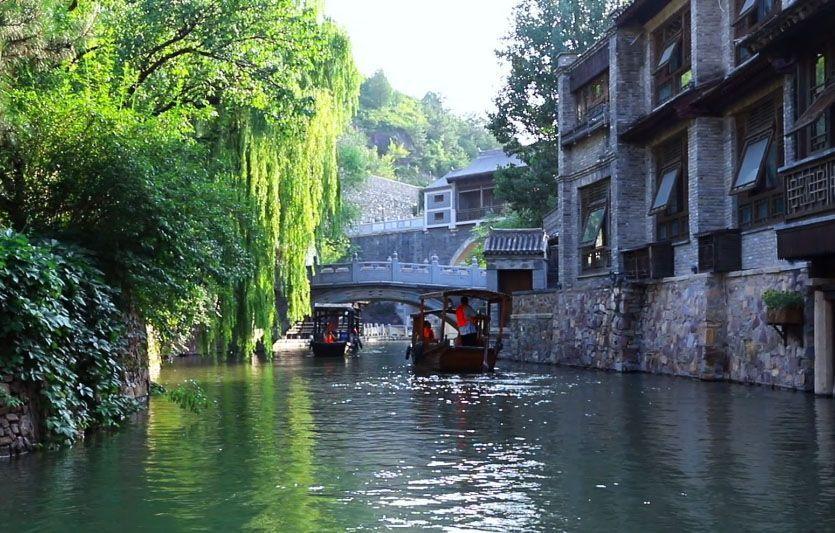
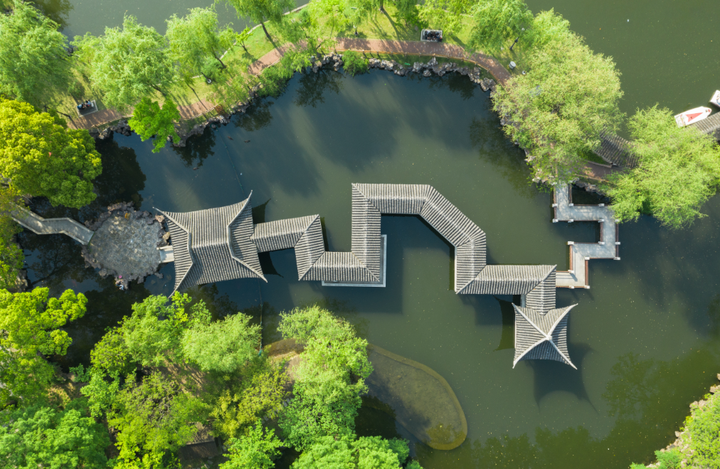
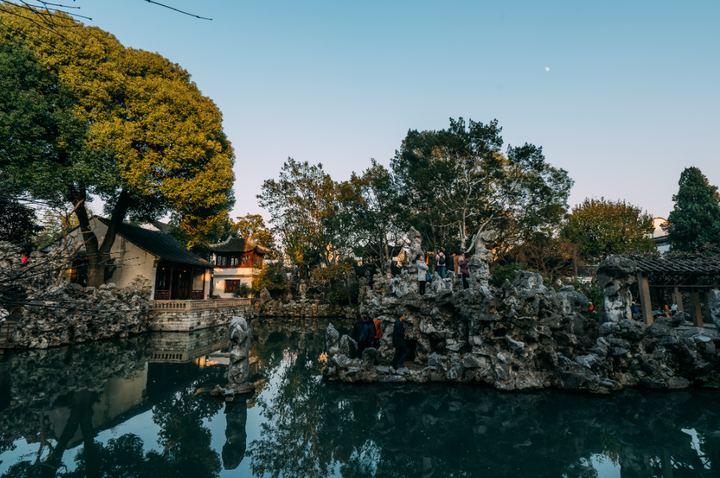
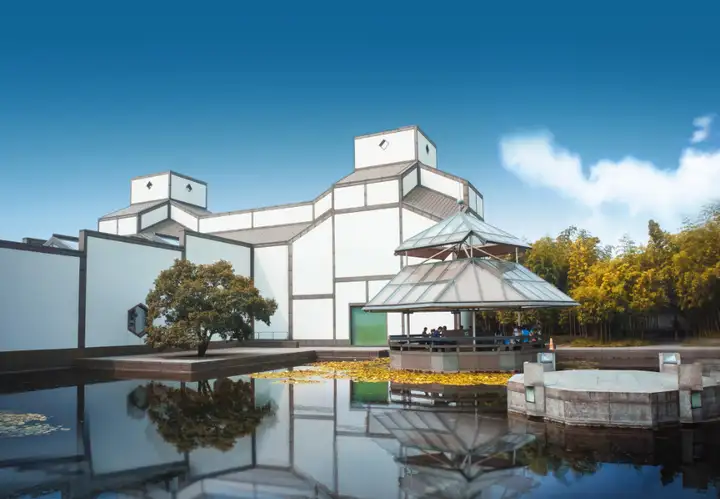
- The Humble Administrator’s Garden: Centered around water and surrounded by rockeries and trees, it is one of the four most famous gardens in China. As you stroll through, every step reveals a new scene, fully embodying the charm of Jiangnan’s water towns. Suzhou Museum: The entire museum resembles a small classical garden, featuring four permanent exhibitions with Suzhou characteristics—Wu Heritage Treasures, National Treasures from Wu Pagodas, Elegance of Wu Culture, and Wu School Calligraphy and Painting. Lingering Garden: Renowned for its exquisite architectural layout, as well as its harmonious integration of landscapes and plants. Lion Grove Garden: Famous for its rockeries shaped like lions, with unique Taihu stones forming maze-like caves and passages. Pingjiang Road: Where waterways and streets run parallel, showcasing the distinctive features of a Jiangnan water city. Hanshan Temple: Made famous by Tang Dynasty poet Zhang Ji’s poem “Mooring by Maple Bridge at Night,” where you can listen to morning bells and evening drums and experience a sense of Zen. Tiger Hill: Known as the “No.1 Scenic Spot in Wu,” highlights include the leaning pagoda under the sunset and the legendary Sword Pool. Shantang Street: How can one describe the night view of Shantang? Absolutely stunning! Sitting on a boat while listening to Suzhou ballad singing offers a unique charm. Zhouzhuang Ancient Town: With its small bridges, flowing water, and traditional homes, you can walk along stone-paved paths, cross ancient bridges, and wander through crowds—or take a boat ride, passing under bridges and through waterways, which is equally delightful.
Advice from Suzhou Locals:
- 1. Suzhou’s ancient city area is well preserved, with many historic buildings and classical gardens such as the Humble Administrator’s Garden and Suzhou Museum—well worth a visit. 2. You only need to choose one between Zhouzhuang and Tongli, as they are quite similar and each typically requires a full day. 3. Suzhou has many intangible cultural heritage items worth exploring, such as Suzhou embroidery and Suzhou paper-cutting. You can visit workshops to experience the local culture. 4. Suzhou’s night scenery is beautiful—Shantang Street is perfect for an evening stroll and photography, while Pingjiang Road is better visited during the day. 5. The vegetarian noodles at Xiyuan Temple are very famous; you can also receive free books at the pavilion inside the temple or near the exit. 6. If you want to buy real silk, be sure to compare prices and visit long-established shops around Guanqian Street. 7. When taking a rowing boat, remember to bargain; also avoid buying brightly colored fruits at night markets if you’re unsure about them. 8. From August to September, Suzhou’s average temperature ranges from 27°C to 33°C, so it can be quite hot—take precautions against heat and sun exposure and stay hydrated. 9. Suzhou Railway Station is closer to the city center than Suzhou North Station, so it’s recommended to choose Suzhou Station. 10. Suzhou Museum has a main branch and a west branch; the main branch is more classical. Make a reservation at least one week in advance, and note that it is closed on Mondays. 11. If you have time, visit Pingjiang Road to listen to Pingtan storytelling—the soft Wu dialect is incredibly gentle. 12. Hanshan Temple is very famous, and you may occasionally hear the ringing of bells, creating a wonderful atmosphere.
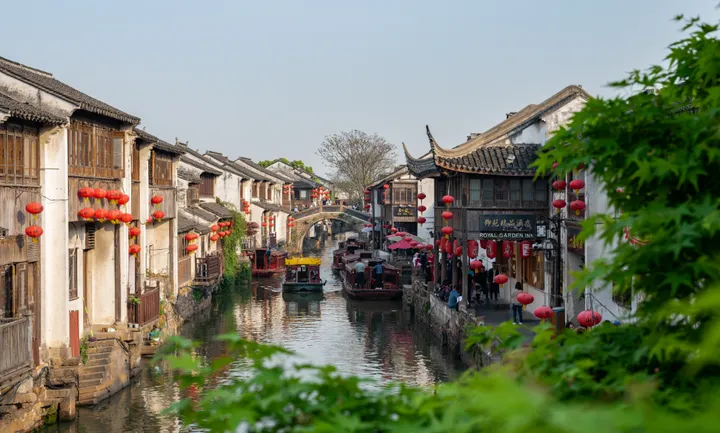
Suzhou's largest classical garden, originally built in the Ming Dynasty, is characterized by its water features and spacious, natural layout. It is one of China's four most famous gardens and a UNESCO World Heritage Site.