LIJIANG
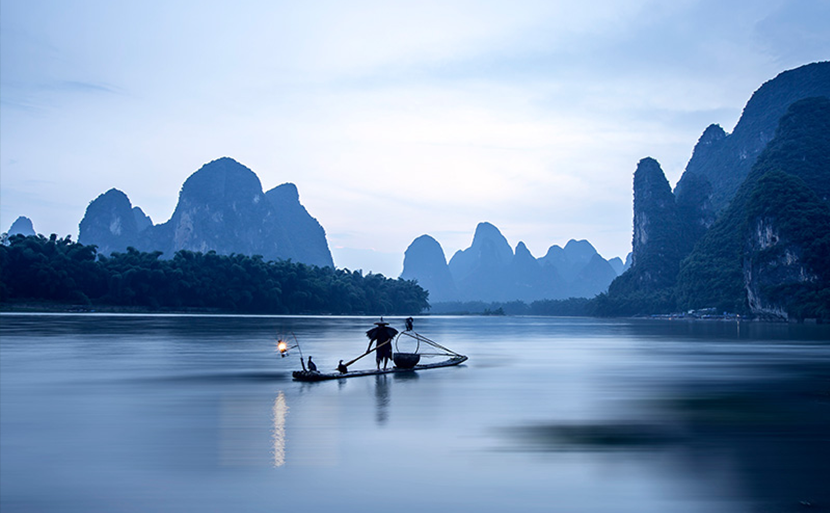
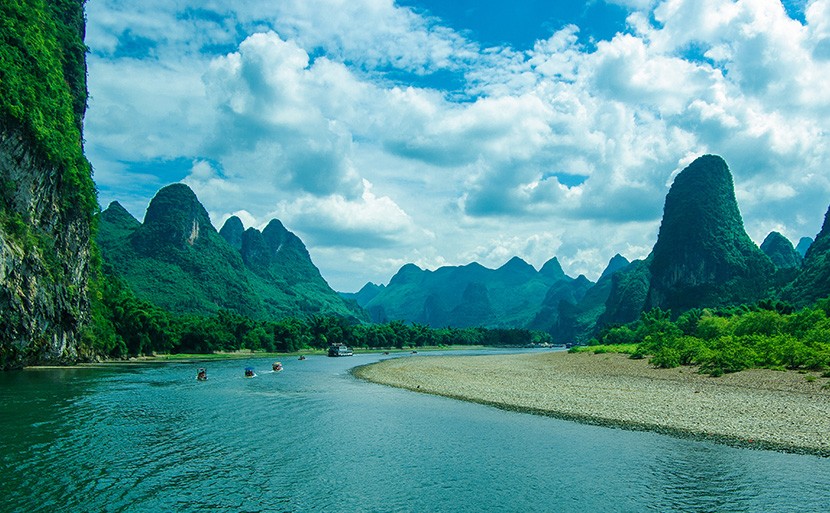
The Lijiang River in Guilin is renowned for its unique karst landscape, with remarkable peaks rising along both banks and crystal-clear waters, making it one of the most beautiful river sceneries in China.
Guilin is located in the Guangxi Zhuang Autonomous Region, at the southern end of the “Xiangxi Corridor.” Since ancient times, it has enjoyed the reputation of having “the finest scenery under heaven,” and is famous for its landscapes, local culture, customs, and its relaxed and comfortable lifestyle.
Guilin boasts stunning scenery, represented by the Lijiang River and its karst landforms: the mountains rise abruptly from the plains in countless shapes, while the river winds gracefully, clear as a mirror. In addition, Guilin is home to more than a dozen ethnic minorities such as the Zhuang, Yao, Miao, and Dong, whose unique folk traditions add even more charm to this land.
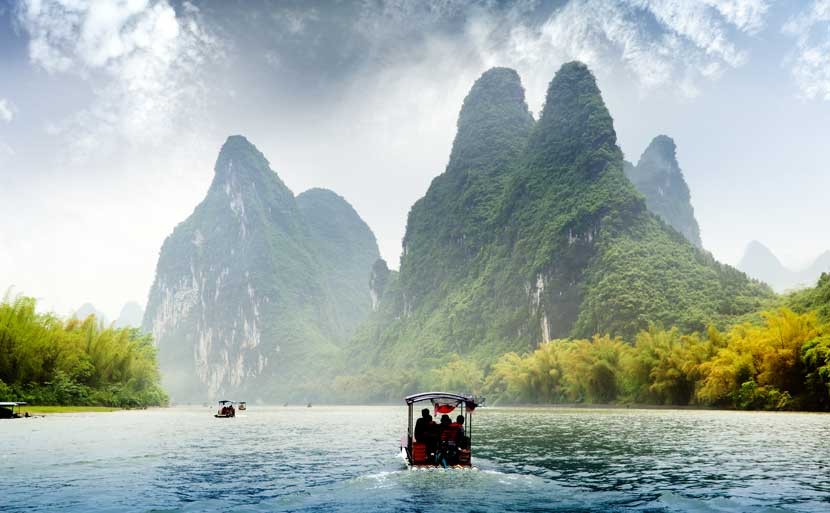
Guilin is an important tourist city in China and the world, a well-known scenic destination as well as a historic and cultural city. It is also one of the most suitable cities for independent travel.
No matter how much one says, it is impossible to fully capture the beauty of Guilin. If you are planning an independent trip to Guilin, do you know which places you should visit? Let me introduce some worthwhile attractions in Yangshuo along with their costs—this may help you plan your itinerary.
What attractions are there in Yangshuo?
Yulong River
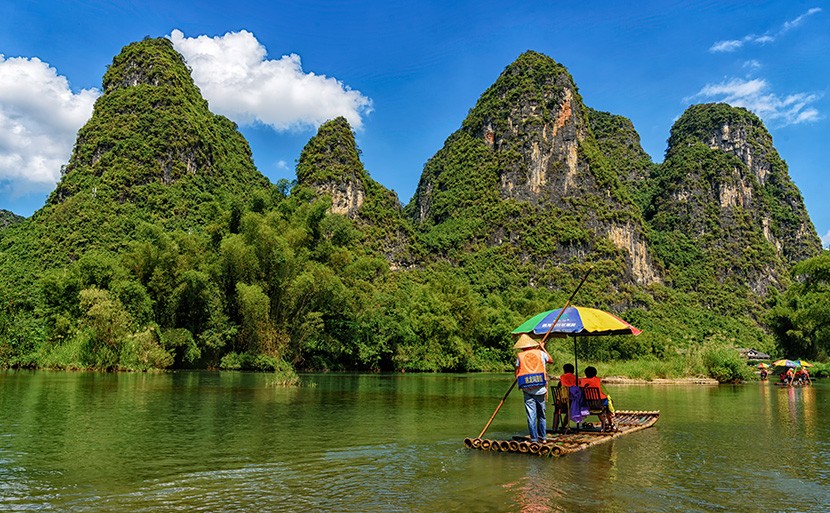
The Yulong River is about 16 km long, with clear water year-round and a gentle current. Compared to the more grand and elegant Lijiang River, the Yulong River has a more delicate charm, and is considered one of the most beautiful rafting routes, often referred to as the “Little Lijiang.”
Unlike the Lijiang bamboo rafting, rafting here is entirely powered by manual bamboo rafts, with only two people allowed per raft. There are also 28 small dams built by locals to cross the river, adding extra fun to the rafting experience.
Main attractions include: Rhinoceros Pond, Five Finger Mountain, Chaoyang Village, Xiangui Bridge, Yulong Bridge, the ruins of Guyi Ancient City, Han Dynasty tomb clusters, Dongyun Cave, and “Eight Immortals Crossing the Sea,” among nearly 20 sites.
It is best to start rafting early in the morning when there are fewer tourists—the mountains and waters reflect clearly on the river surface, allowing you to fully appreciate the tranquility. Standing on the Ming Dynasty Fuli Bridge is also a perfect spot for capturing the beauty of the Lijiang River.