
ShanDong Cuisine
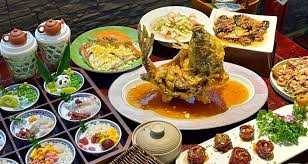
China is renowned for its sophisticated and skillful cooking. The four major cuisines—Shandong (Shandong), Sichuan, Cantonese, and Huaiyang—each possess distinct regional flavors and are widely recognized as representative of Chinese culinary culture. A particularly apt summary of these four cuisines is: "Shandong is noble, Suzhou is elegant, Cantonese is wealthy, and Sichuan is common." These eight characters perfectly encapsulate the essence of these four cuisines. Today, Sichuan, Cantonese, and Huaiyang cuisines are thriving, with restaurants flourishing throughout the country. In contrast, Shandong cuisine has become increasingly less prominent, rarely mentioned by the public, and many people have never even seen a "Shandong restaurant."
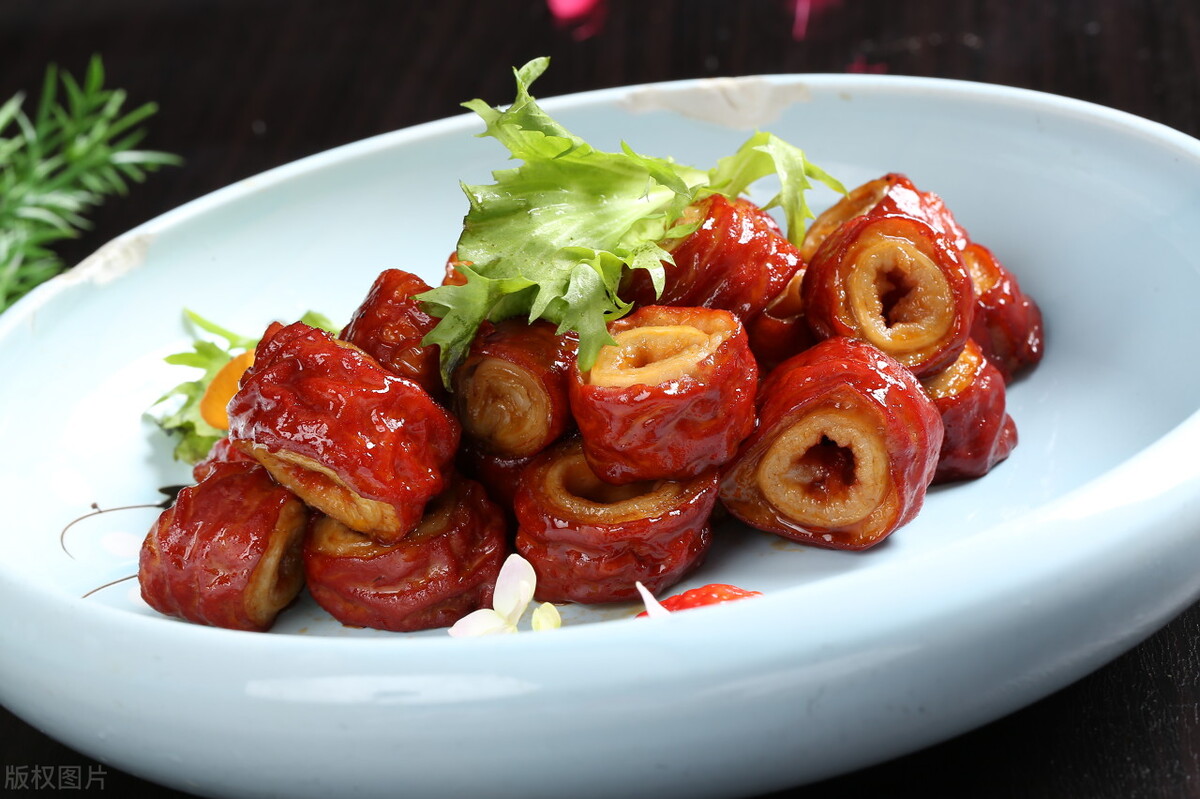
But this "unknown" Shandong cuisine has ironically taken the top spot among the four major cuisines of China, and is recognized as the "first among the four major cuisines" in traditional Chinese food culture. Why is this the case?
Actually, once you truly understand the four major cuisines, especially Shandong cuisine, this question may be dispelled.
Shandong cuisine has the longest history and is the only spontaneously developed cuisine among the four major cuisines of my country. It was the first in China to form a systematic framework of cooking theories and techniques.
It was after the formation of Shandong cuisine that it influenced the formation of many other cuisines. Shandong cuisine almost laid the foundation for Chinese food culture.
To use an analogy, Shandong cuisine established the basic theory, while other cuisines are extensions and applications developed from this theory.
To use an analogy, Shandong cuisine established the basic theory, while other cuisines are extensions and applications developed from this theory.
Of course, theoretical foundation alone is not enough. So, what else makes "Shandong cuisine," the foremost of the four major cuisines, unique? I. Exquisite Ingredients and Refined Preparation Confucius once said, "One should not be too particular about the fineness of food, nor about the delicacy of its preparation." This attitude essentially laid the foundation for the refined characteristics of Shandong cuisine. Shandong cuisine has the longest history of development. Since the Spring and Autumn and Warring States periods, the Qi-Lu region has been a prosperous area, and its culinary delights began to emerge. Following the Han and Tang dynasties, this region nurtured numerous aristocratic families, whose demands for food quality naturally increased. The selection of ingredients was paramount; if the ingredients were not fresh or of high quality, or were incomplete, the dish would not be presented well. Later, Shandong cuisine became the cuisine of the government and the imperial court. Therefore, the selection of ingredients for cooking became even more rigorous and meticulous. The requirements for knife skills and cooking temperature became extremely demanding. Each step of the cooking process had a strict division of labor, with each person performing their specific duties to ensure smooth operation. Even today, Shandong cuisine maintains these high standards in ingredient selection and preparation, which is why it is not as easily promoted or spread throughout the country as other cuisines.
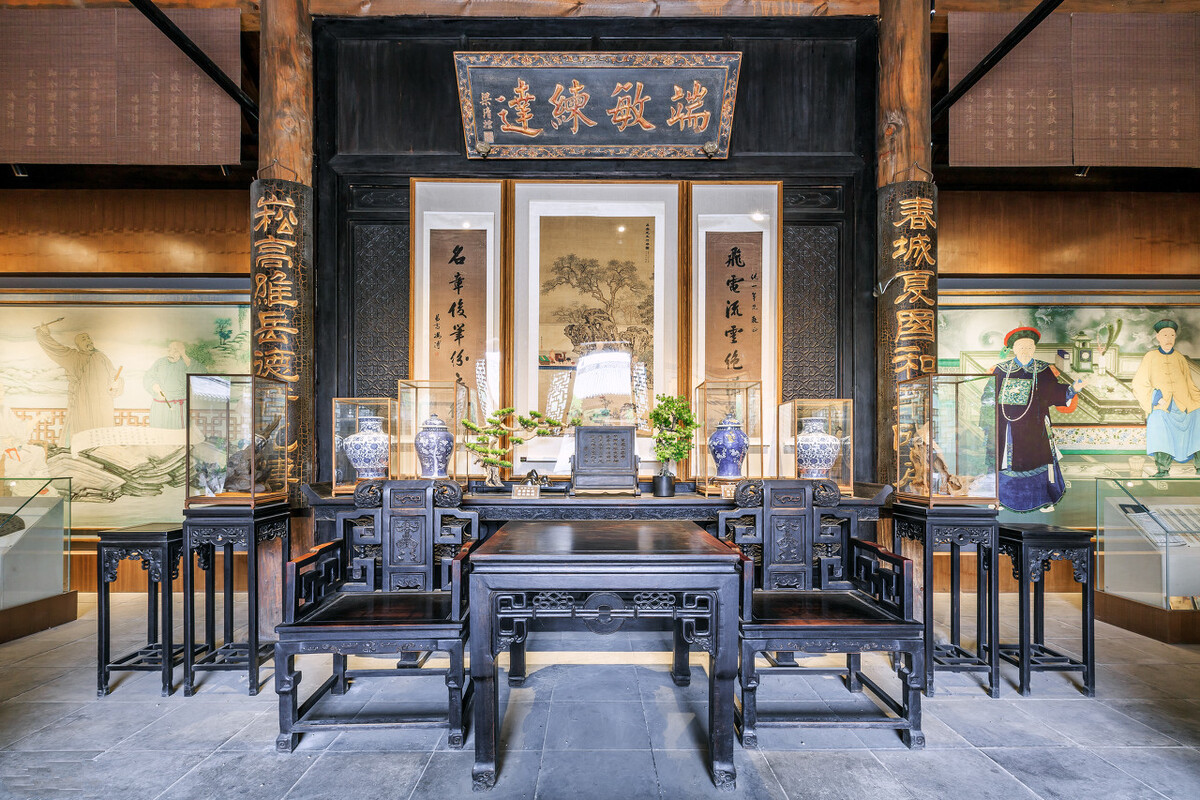
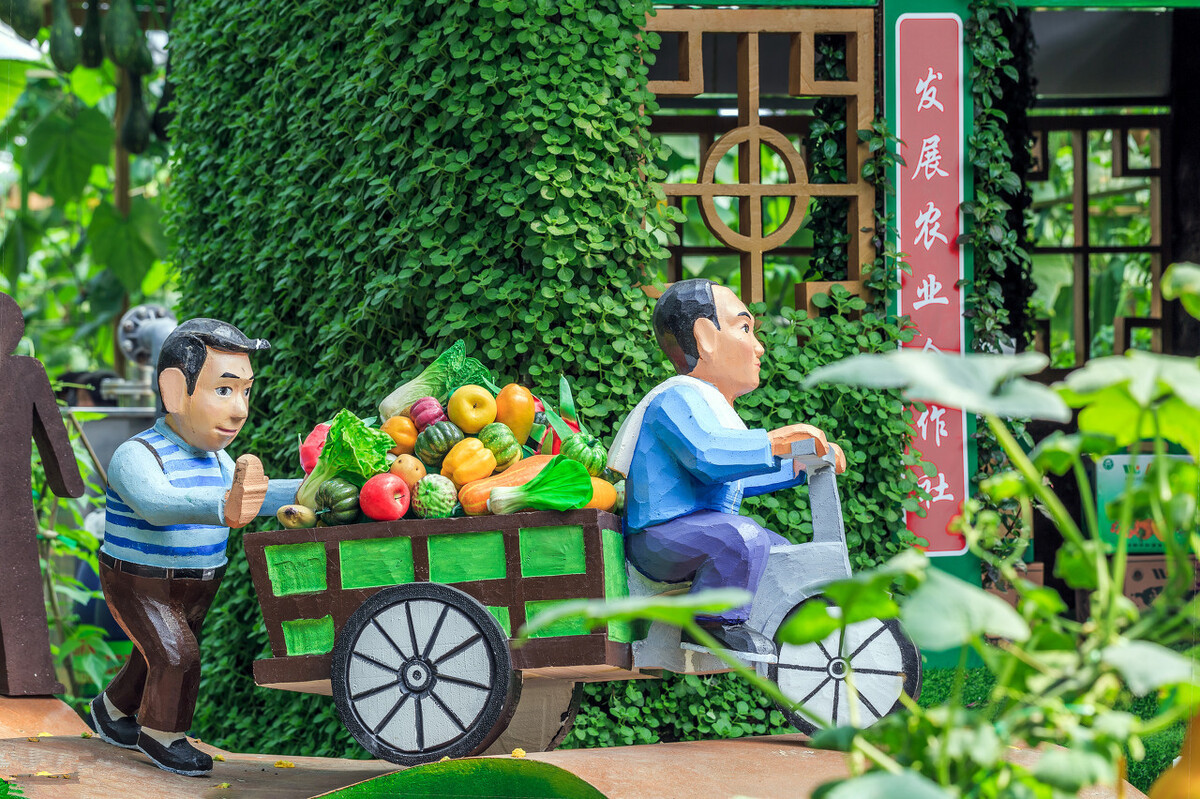
Furthermore, the Qilu region boasts a suitable climate and abundant sunshine, resulting in extremely rich and high-quality produce. This provides Shandong cuisine with unparalleled convenience in ingredient selection. Whether it's grains and vegetables, or various meats and seafood, everything is readily available. Shandong can supply high-quality ingredients to Shandong cuisine in a timely manner, laying the foundation for its quality and development—a feat unmatched by many other regions.
II. Salty and Fresh as the Main Theme, Skilled in Soup Making
Among the four major cuisines, Sichuan cuisine emphasizes numbing and spicy flavors, Cantonese cuisine focuses on light, fresh, tender, and smooth textures, Huaiyang cuisine is mainly characterized by a balance of salty and sweet flavors, while Shandong cuisine is mainly characterized by salty and fresh flavors, emphasizing the original taste. The flavor of Shandong cuisine perfectly corresponds to the saying "sweet in the south and salty in the north." In the eyes of Shandong chefs, salt is the most important among many seasonings because it can fully bring out the umami flavor of dishes.
II. Salty and Fresh as the Main Theme, Skilled in Soup Making
Among the four major cuisines, Sichuan cuisine emphasizes numbing and spicy flavors, Cantonese cuisine focuses on light, fresh, tender, and smooth textures, Huaiyang cuisine is mainly characterized by a balance of salty and sweet flavors, while Shandong cuisine is mainly characterized by salty and fresh flavors, emphasizing the original taste of dishes.