
Guangdong cuisine
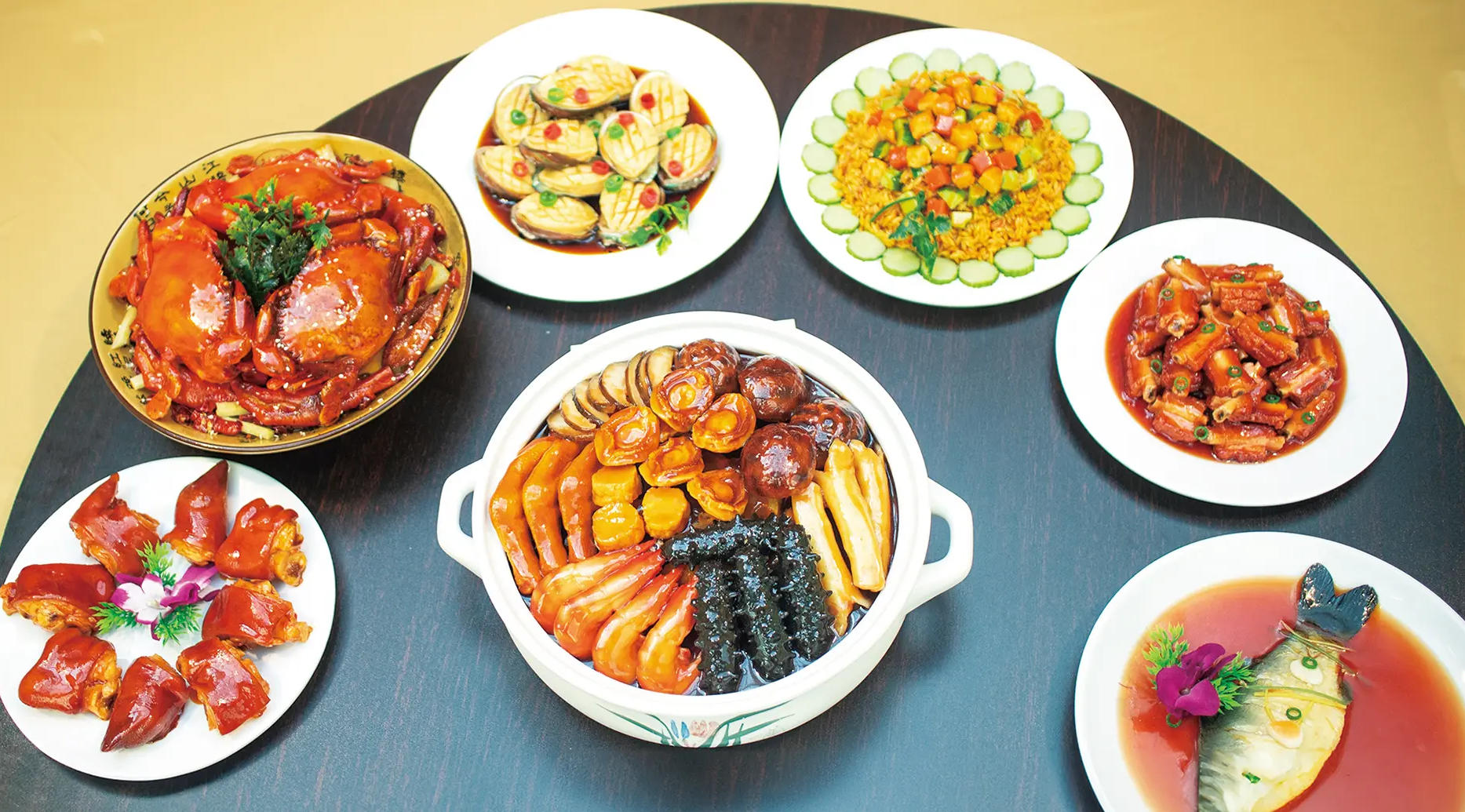
Cantonese cuisine is one of the most representative and widely spread cuisines of China.
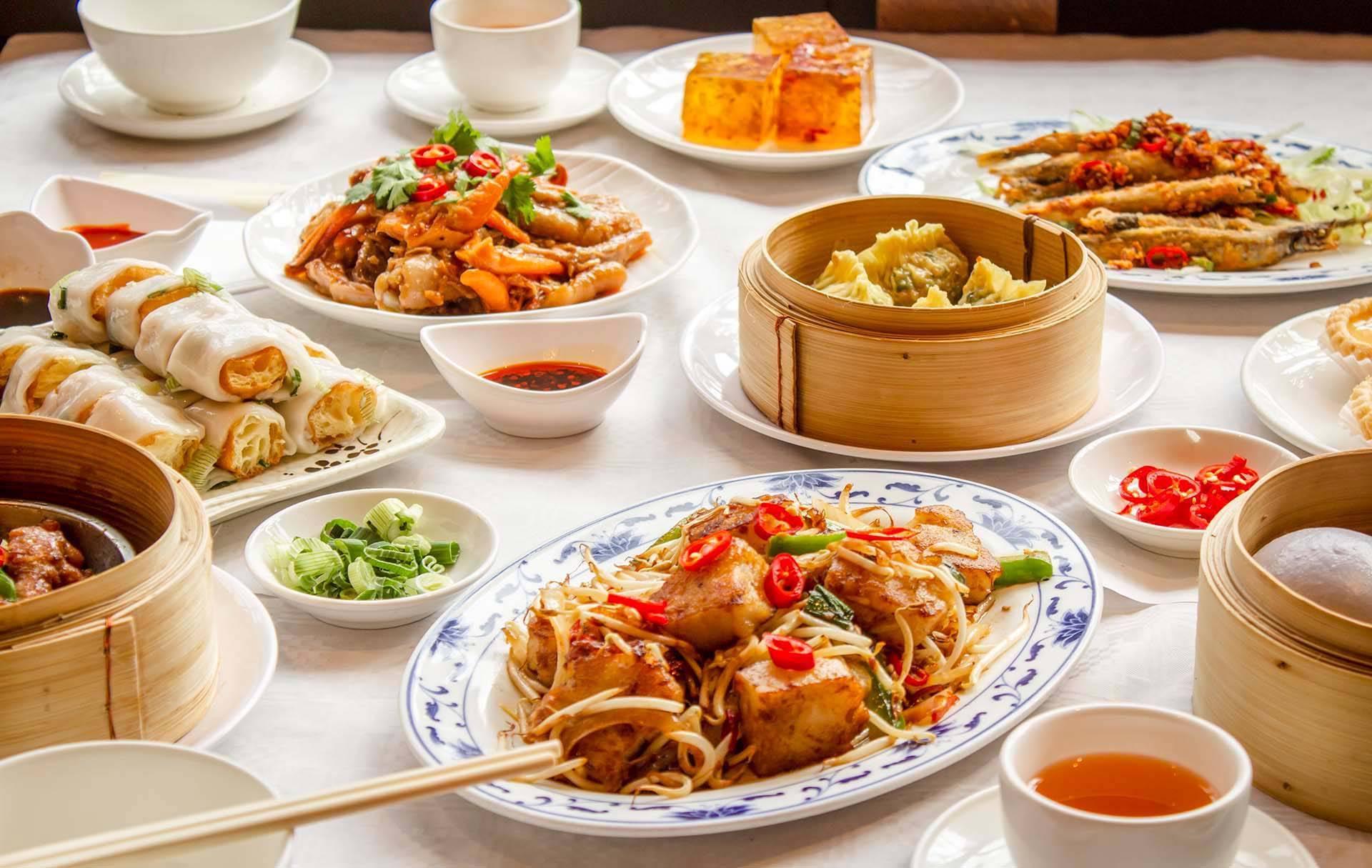
In the past, most of the Chinese who emigrated and opened restaurants overseas were from Guangdong. Therefore, overseas Chinese restaurants mainly served Cantonese cuisine, which made Cantonese cuisine a representative of Chinese food in Western countries.
History
Cantonese cuisine has a long history, its origins can be traced back to the early Han Dynasty more than 2,000 years ago.
With the southward relocation of the capital of the Southern Song Dynasty, more and more skilled chefs came to Guangzhou, contributing to the development of Cantonese cuisine. The techniques of Cantonese cuisine matured and formed its own unique characteristics.
During the Ming and Qing dynasties, Cantonese cuisine had become systematic, and teahouses, restaurants, and snack shops were ubiquitous in Guangdong. Cantonese cuisine emphasizes the original flavor and natural freshness of dishes, resulting in mild and refreshing tastes.
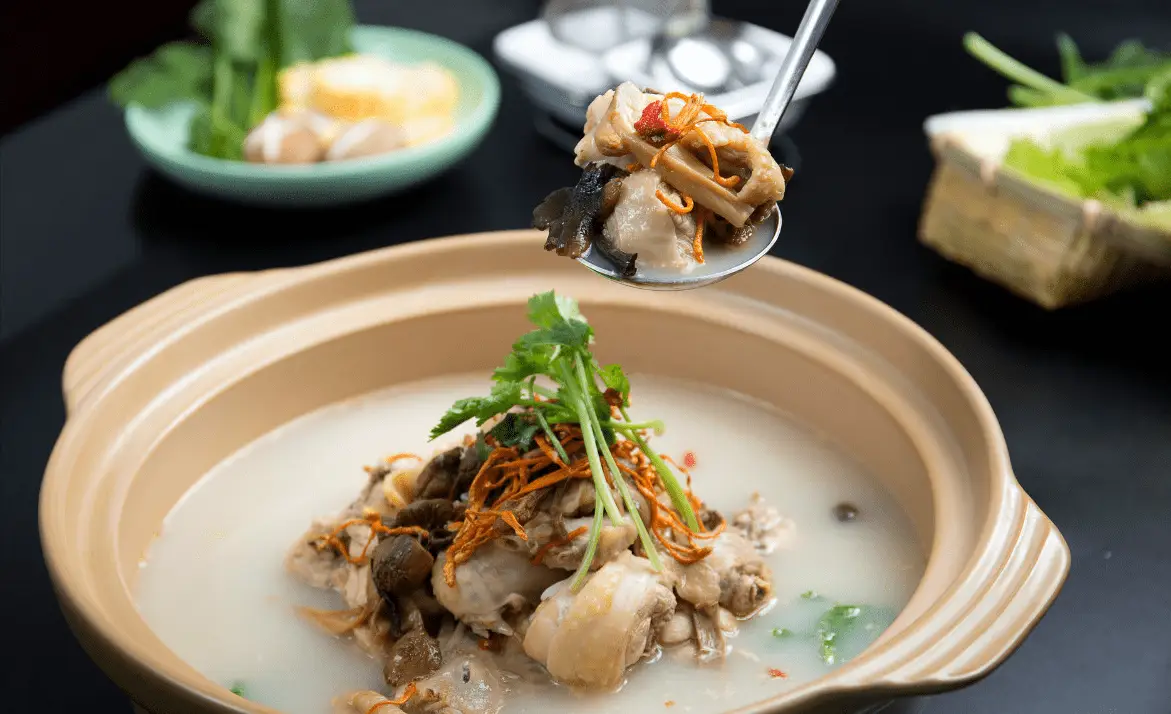
Cantonese cuisine also emphasizes the freshness of ingredients, and they rarely use complex seasonings when cooking. You will hardly find spicy dishes on a Cantonese menu. With the changing seasons, summer and autumn dishes are light, while winter and spring dishes are slightly heavier.
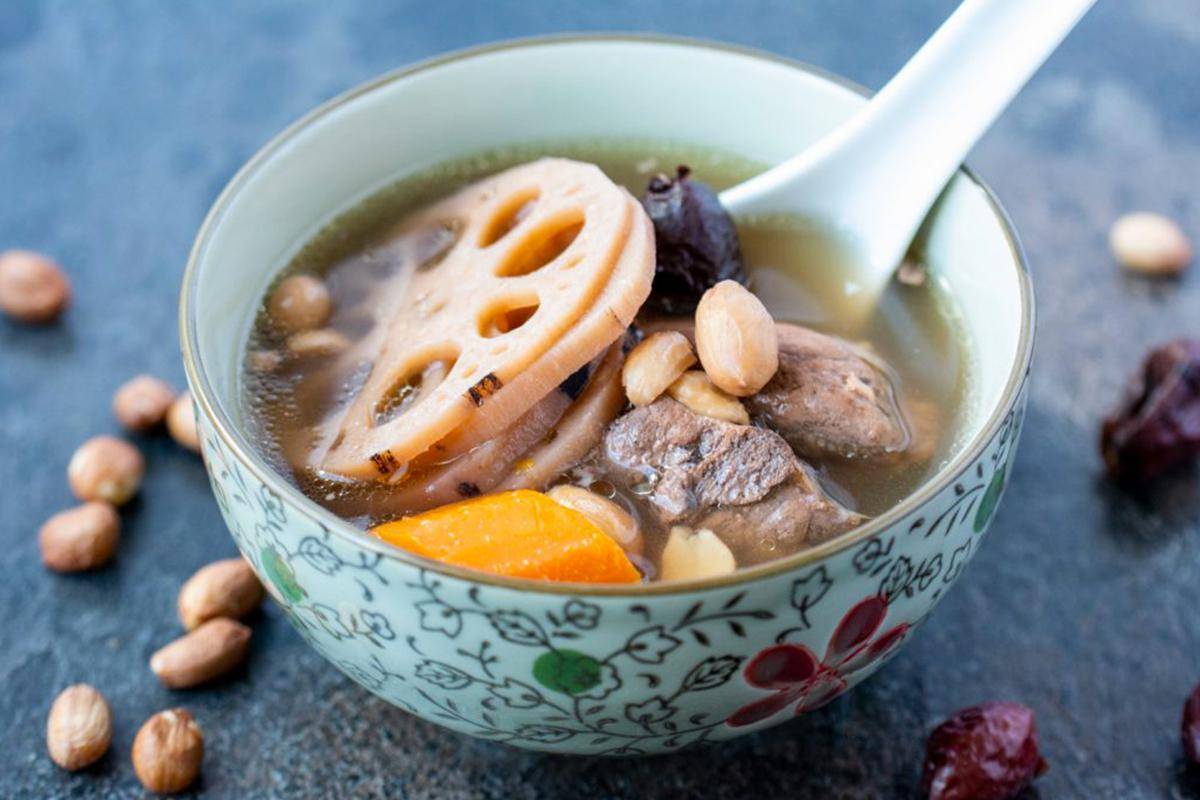
Ingredients
Cantonese cuisine uses a wide variety of ingredients.
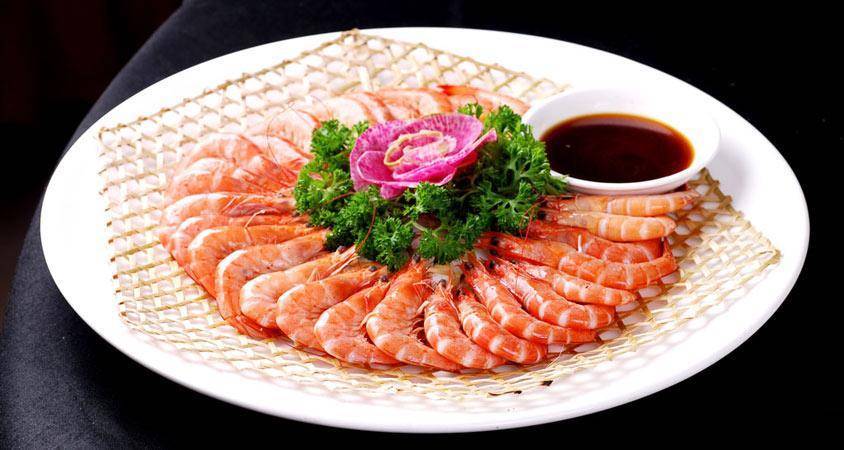
Besides commonly used meats like pork, poultry, and seafood, Cantonese cuisine also features many other less common ingredients, such as snake meat. In addition to meat, they also eat various wild vegetables, fruits, and leafy greens. Cantonese people prefer seasonal foods. For example, they eat sea bass in winter and plump shrimp in April. Their seasonings are also relatively mild, including star anise, coriander leaves, rice vinegar, oyster sauce, seafood sauce, honey, and sugar.
Cooking Methods
To preserve the original flavor of food, Cantonese cuisine primarily uses boiling, steaming, stir-frying, and stewing methods, and makes extensive use of vegetables.
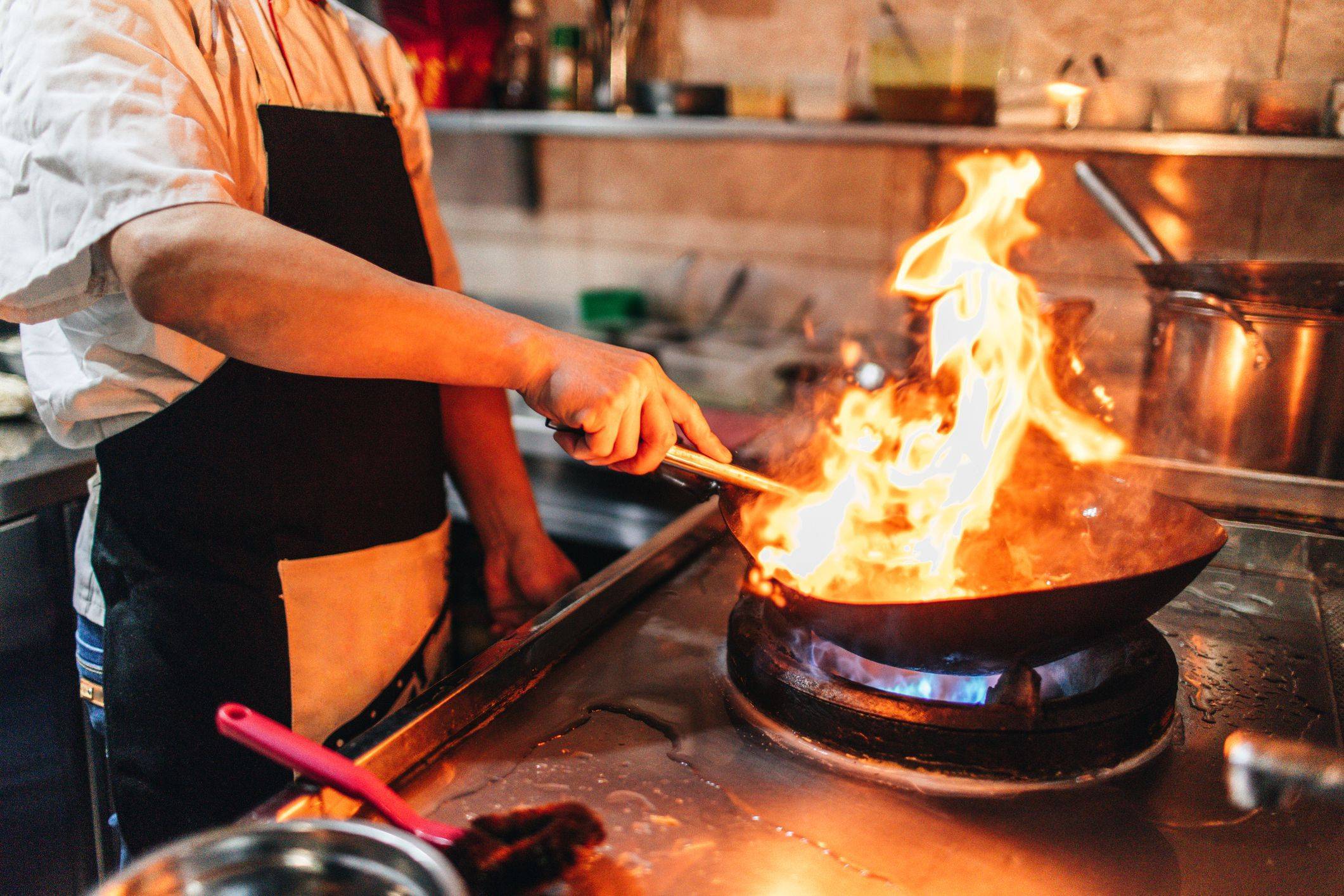
Cantonese chefs are particularly skilled at controlling the heat and garnishing dishes; their dishes are not only delicious but also visually appealing.
Cantonese chefs are especially adept at controlling the heat and garnishing dishes; their creations are not only delicious but also visually appealing.
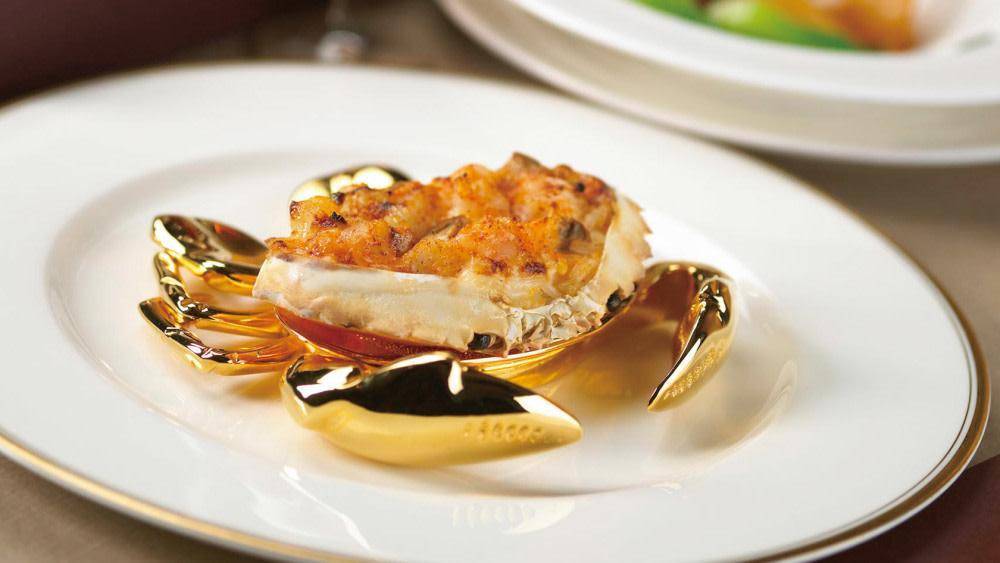
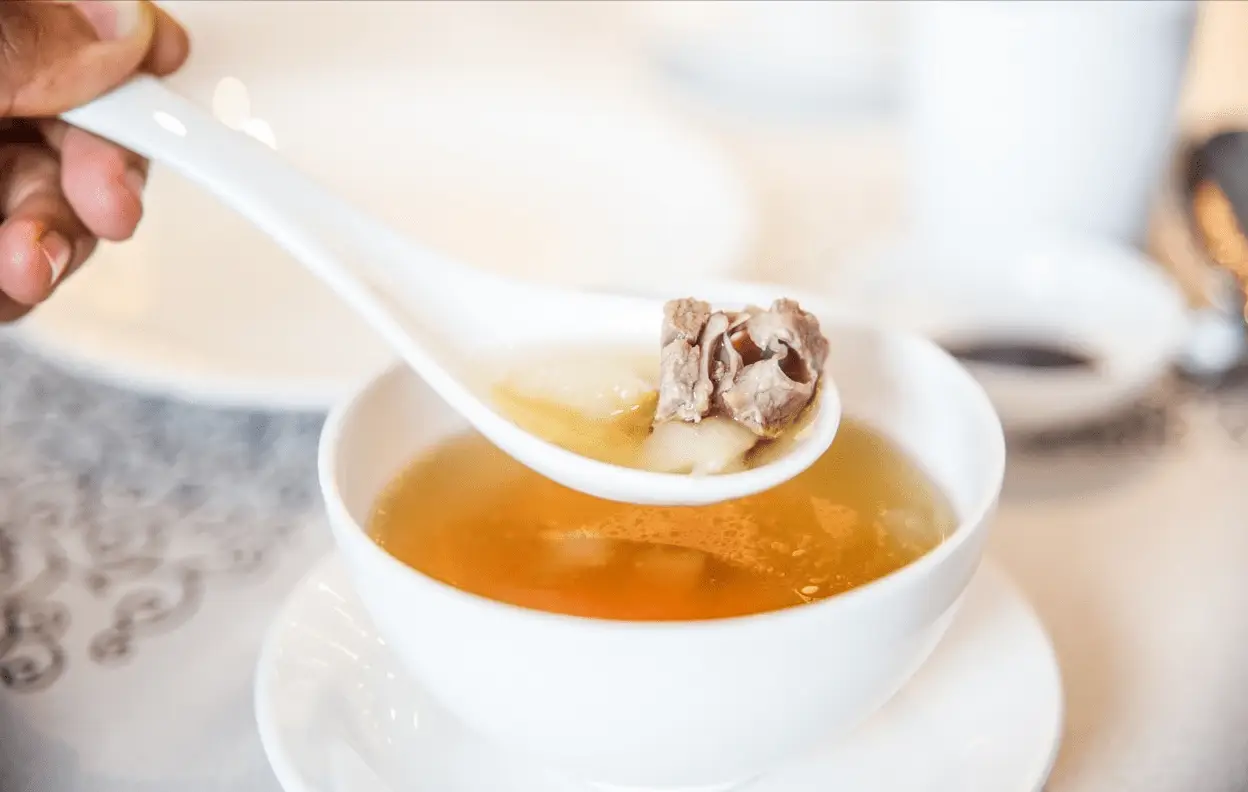
In addition, Cantonese people like to make soup according to the seasons, and soup culture is very important to them (we have also written a special article about Cantonese soup before, you can check it out if you are interested~).
Below are some classic Cantonese dishes~
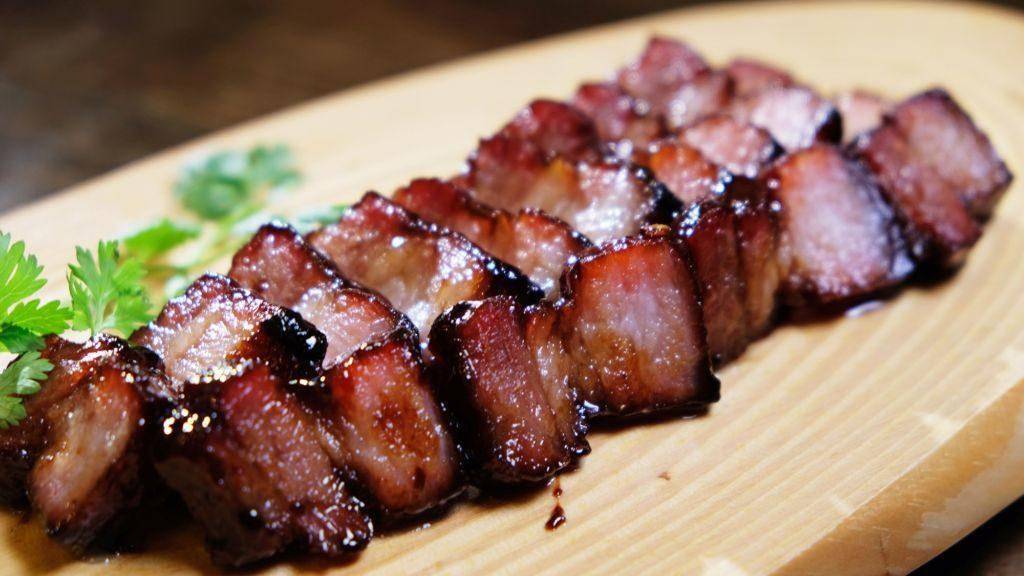
Roast Pork
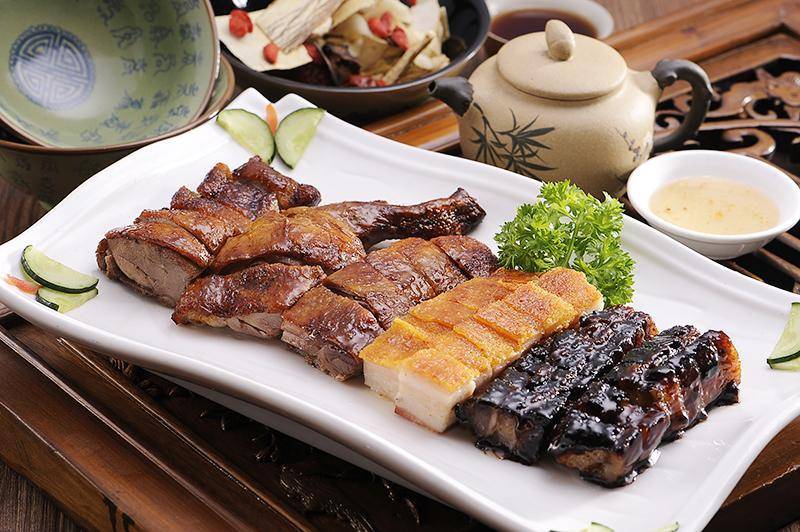
Roast pork is a representative of Cantonese roasted meats. It is roasted in a high-temperature oven, resulting in a golden-brown crispy skin and tender meat.
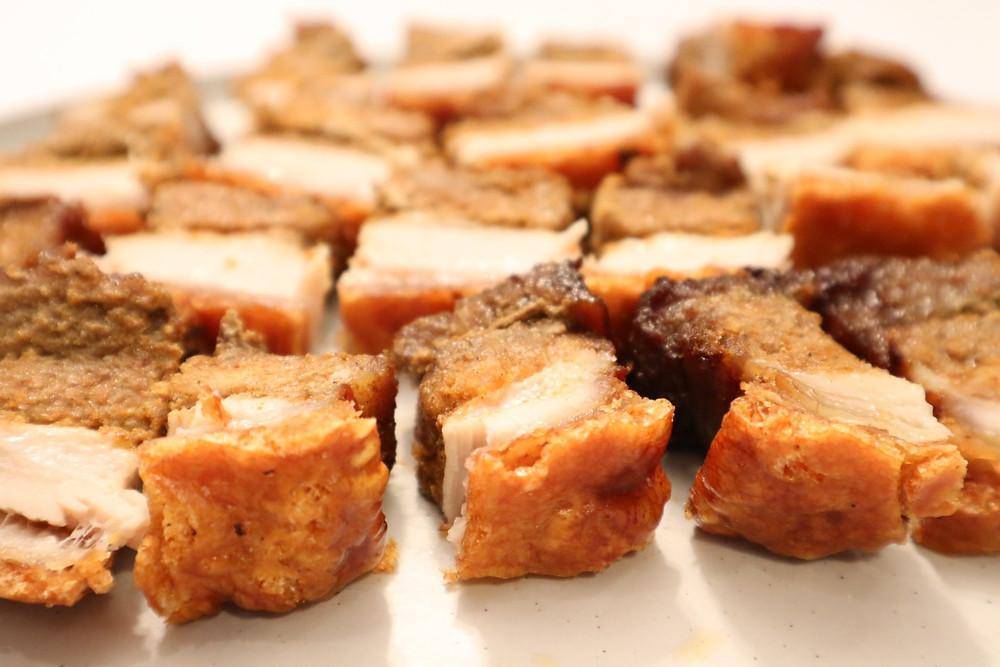
Traditionally, roast pork is served plain, but sometimes it is served with seafood sauce or soy sauce.
Roast pork is often associated with sacrificial and celebratory activities, making it a food of great significance. Roast pork, also known as suckling pig, is a delicacy found in many parts of the world. Traditionally, Chinese roast pork is roasted in a specially designed charcoal oven. Roast pork is typically made from 8-week-old piglets because piglets have a high collagen content, resulting in tender and juicy meat. Before roasting, the piglet is brushed with a mixture of five-spice powder, salt, wine, vinegar, and sugar. After high-temperature roasting, the piglet's skin becomes exceptionally crispy, while the meat remains tender. Char siu is a type of marinated roasted meat. Its marinade includes soy sauce, seafood sauce, Shaoxing wine, star anise, and other ingredients. Prepared char siu is usually served sliced or chopped.
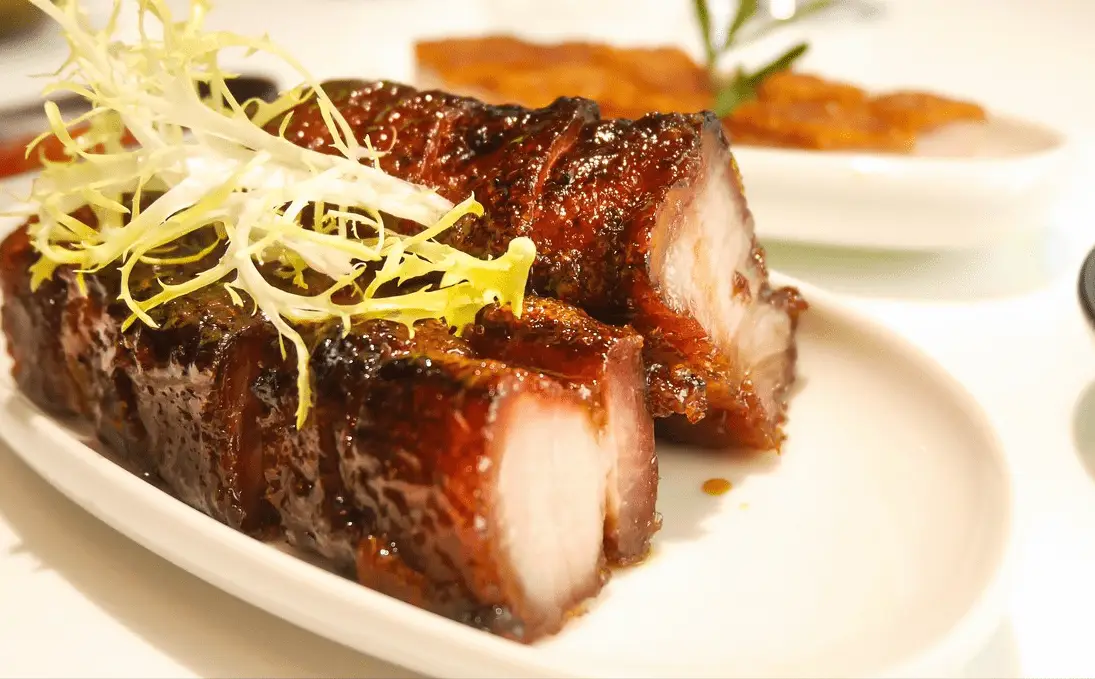
The name "char siu" comes from its traditional preparation method: skewers of meat are roasted on forks over an open flame. The sugar in the marinade caramelizes the skin, giving it an appealing color.
Sweet and Sour Pork
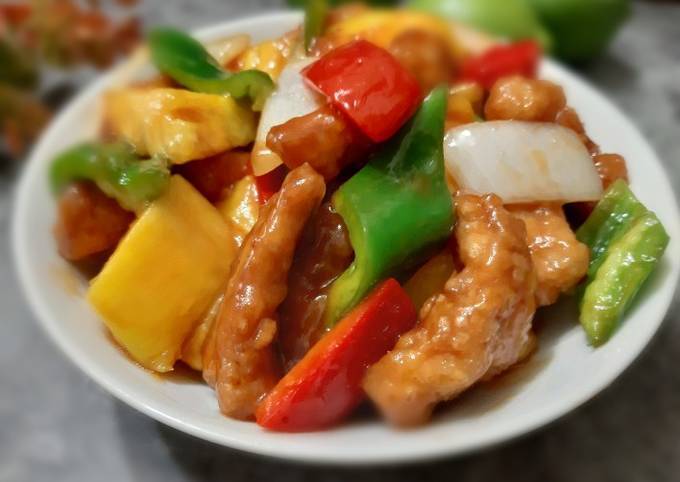
Sweet and sour pork (甘咾肉) is a dish with a sweet and sour flavor.
Pork is coated in batter and deep-fried until crispy on the outside and tender on the inside, then cooked with sweet and sour sauce and other ingredients. This dish originated in the Qing Dynasty and remains one of the most popular Cantonese dishes. It can now be found in Cantonese restaurants almost everywhere in the world.
Steamed Spare Ribs with Black Bean Sauce
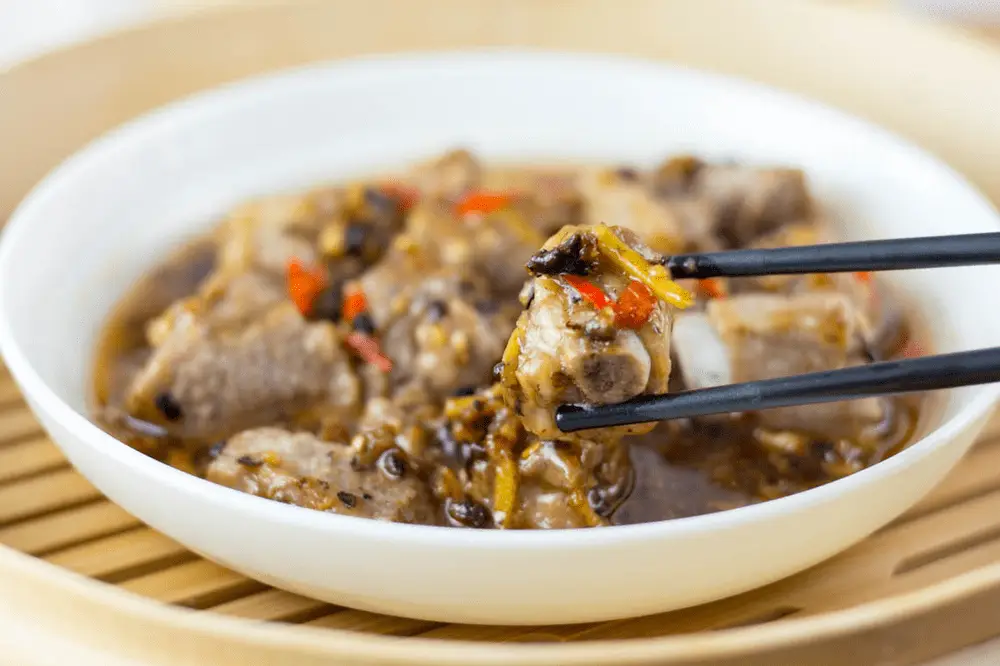
Steamed spare ribs with black bean sauce is made by steaming spare ribs with black bean sauce, minced garlic, dried tangerine peel, etc., and garnishing with chopped green onions. This dish is simple to make and doesn't require much time, so it can usually be made at home.
White Cut Chicken
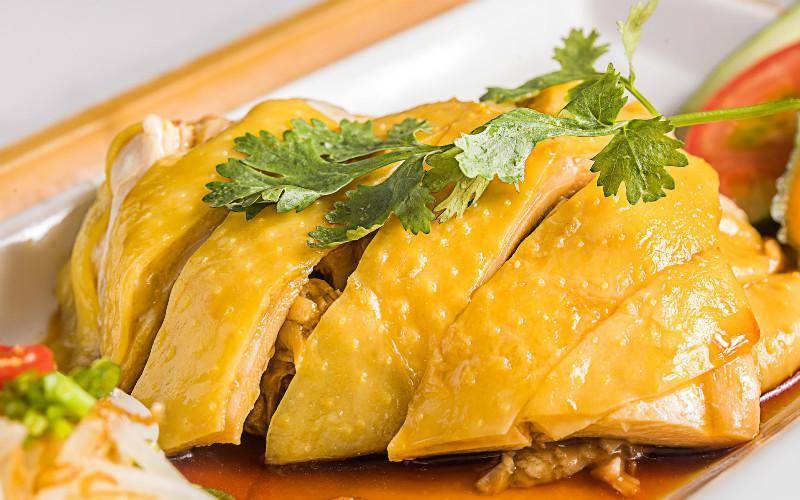
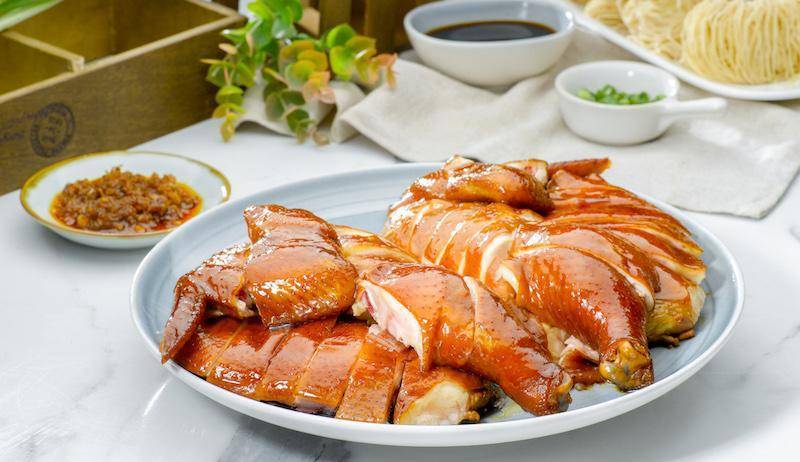
White Cut Chicken is a highly representative Cantonese dish. The cooked chicken is cooled and can be served whole or cut into large pieces, usually accompanied by ginger and scallion sauce or chili sauce as a dipping sauce.
Fried Chicken
Fried Chicken is a traditional Cantonese dish.
Crispy Pigeon
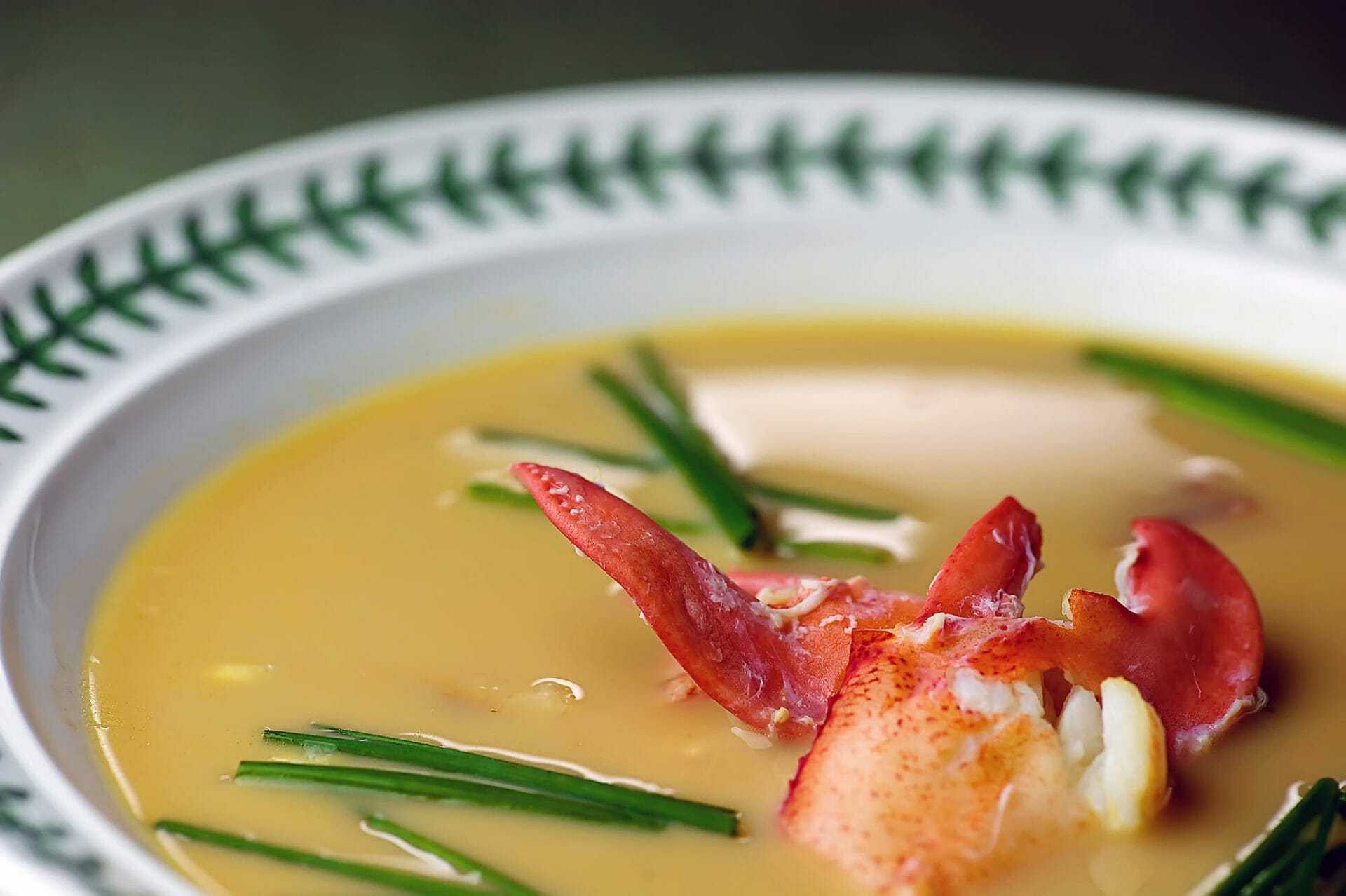
Traditionally, crispy pigeon uses young pigeons under 4 weeks old, and is prepared in three ways: deep-fried, raw-fried, and roasted. The pigeon is seasoned with five-spice powder and coated with a mixture made of soy sauce, rice wine, vinegar, ginger, honey, or sugar. Crispy-skinned pigeon is crispy on the outside and tender on the inside, with a reddish-brown color and an enticing aroma. Roast goose, like roast duck, is roasted whole. First, the goose is cleaned and sewn shut, then seasoned and boiled in hot water. It is then brushed with sugar syrup, dried, and finally roasted in an oven. Roast goose is crispy on the outside and tender on the inside, and is usually eaten with plum sauce. This dish features fresh, large lobsters that are first deep-fried, then simmered with seasonings and broth. It is delicious, nutritious, and suitable for all ages.
Beef balls
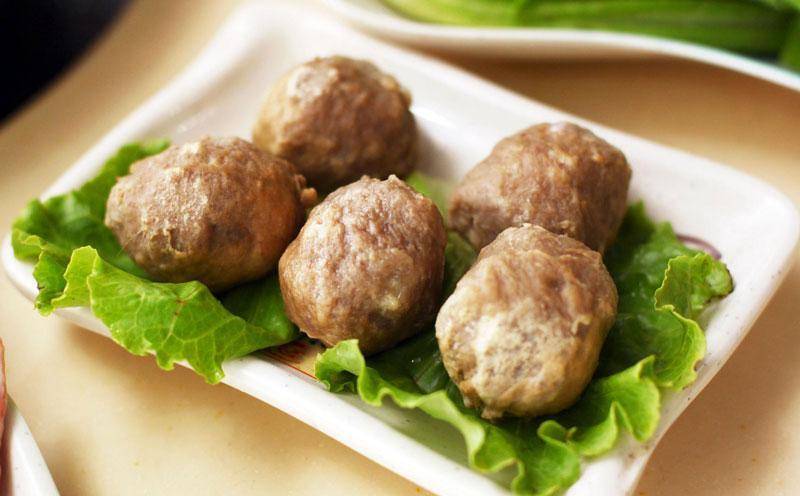
Beef balls are made from ground beef and other types of minced meat (such as pork). After being pounded for a long time, the beef becomes more tender.
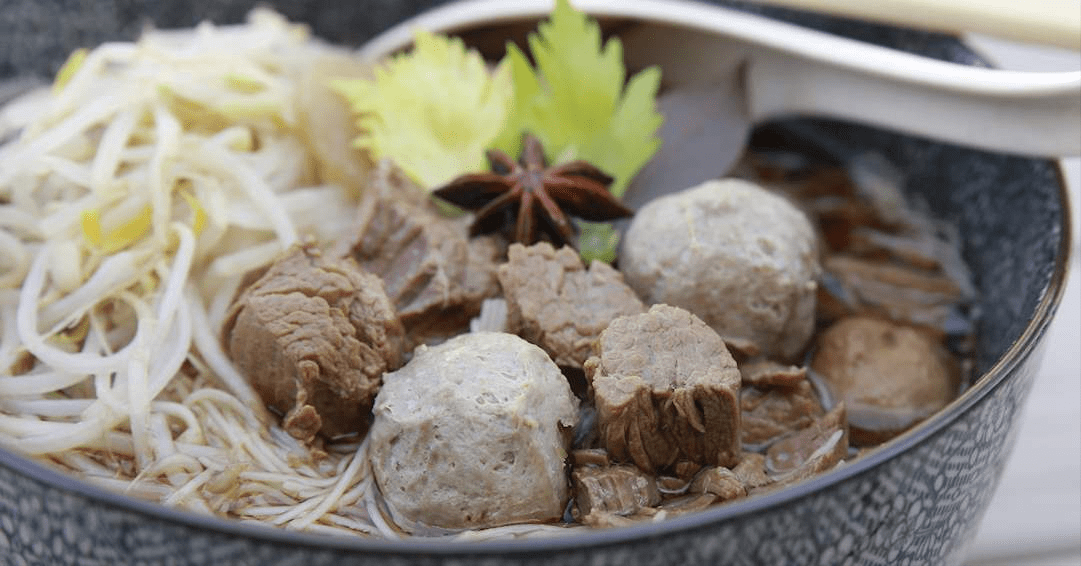
Beef balls are often mixed with wonton noodles, and they are also a popular ingredient in hot pot and mala tang.
Beef balls are typically mixed with wonton noodles and are also a popular ingredient in hot pot and mala tang.
Vegetarian Lohan Zhai
Vegetarian Lohan Zhai is a vegetarian dish made with mushrooms, beans, and vegetables. It is light, fragrant, and delicious.
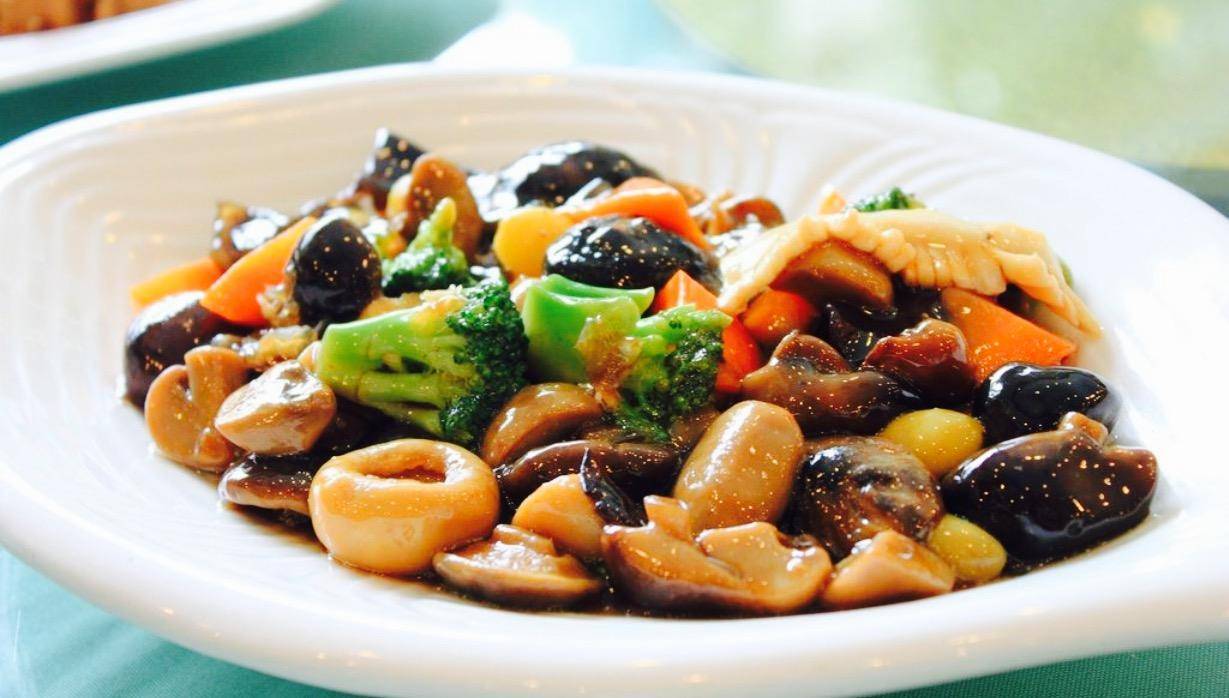
Eight Treasure Winter Melon Soup
Eight Treasure Winter Melon Soup is a seasonal summer dish.
Eight Treasure Winter Melon Soup is a seasonal summer dish.
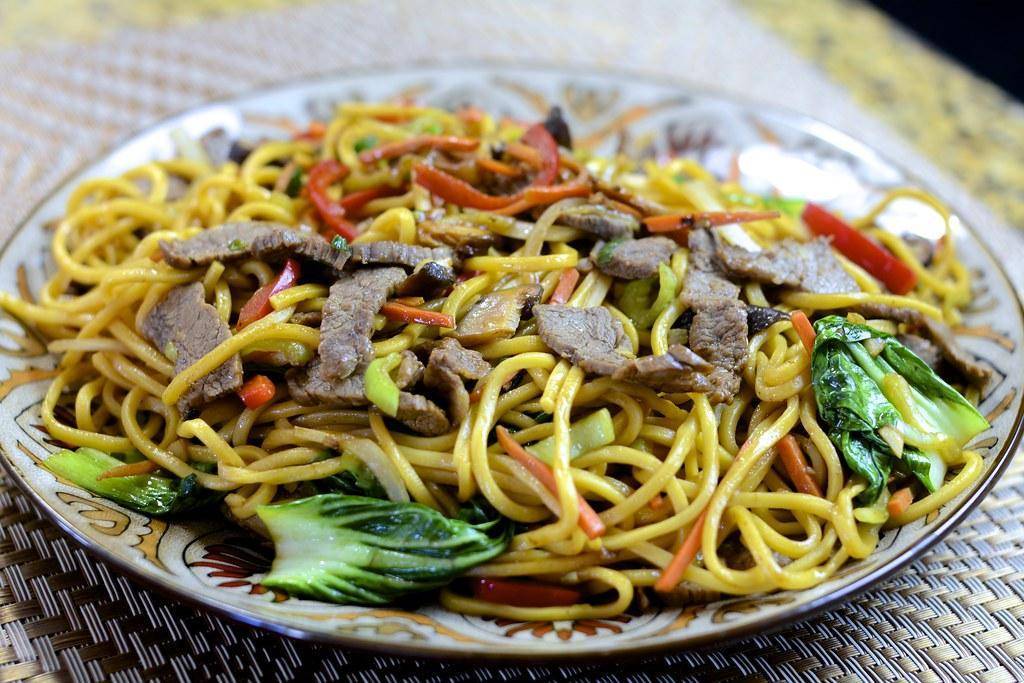
Stir-fried Beef Ho Fun
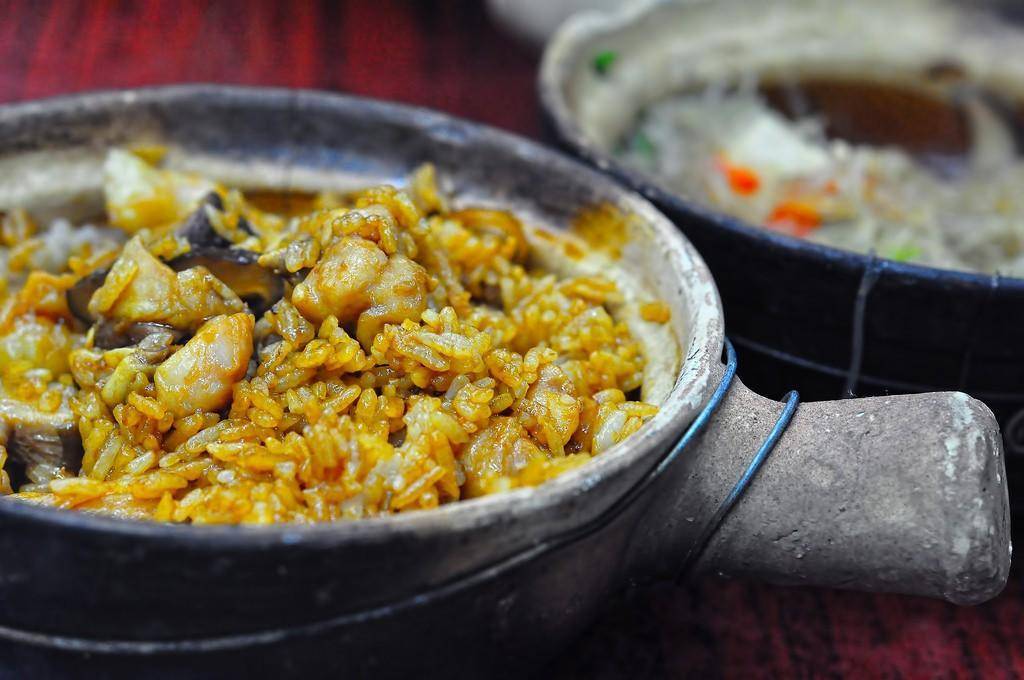
Stir-fried beef ho fun is simply beef stir-fried with rice noodles. It's a dish that seems simple, but it requires considerable skill from the chef. Stir-fried beef ho fun demands precise control of heat and the skill of "stir-frying"; a slight mistake can affect the texture of the rice noodles. The origin of stir-fried beef noodles is unclear, but one theory suggests it was invented in Guangzhou during World War II. Wonton noodles are a combination of egg noodles and wontons, and of course, a delicious broth is essential. Wonton filling is typically made with minced pork and shrimp, seasoned with sesame oil, soy sauce, and ginger. The toppings for wonton noodles may vary slightly from region to region, but are generally light and refreshing, making them a good choice for breakfast or a late-night snack. Claypot Rice Many people, even those who haven't been to Guangdong, have eaten claypot rice.
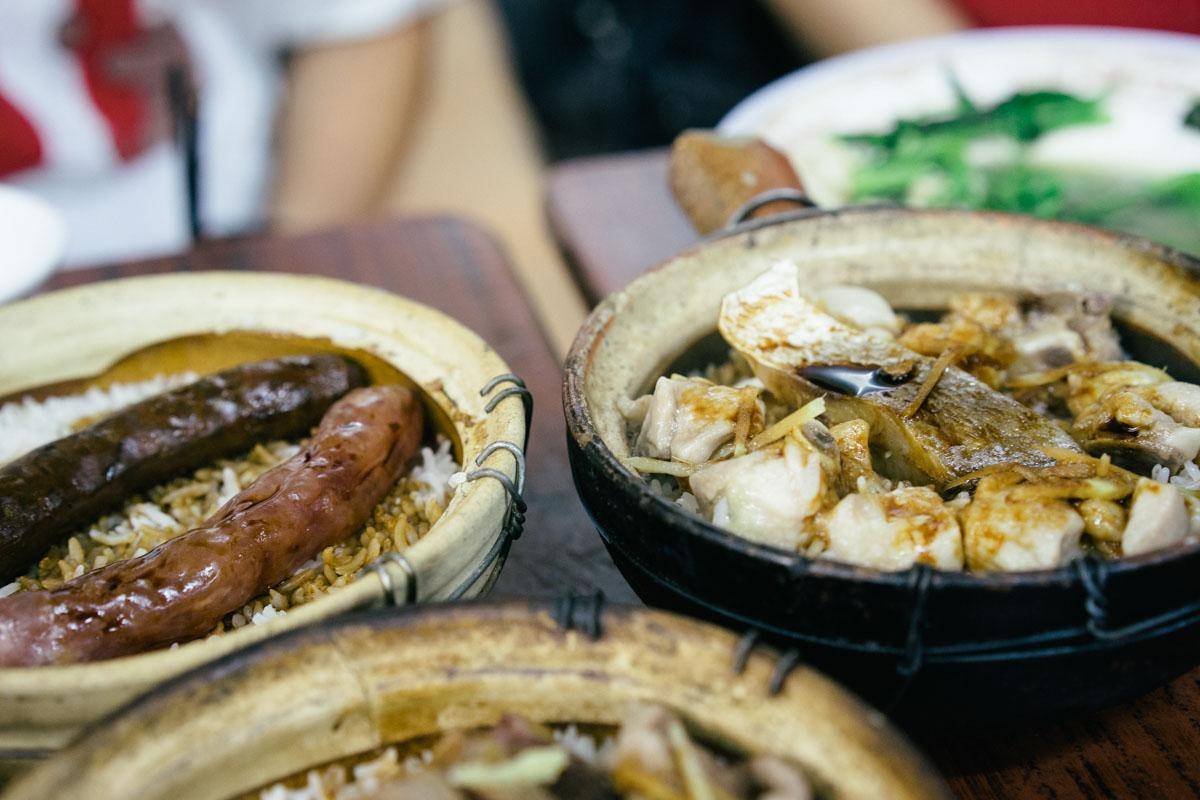
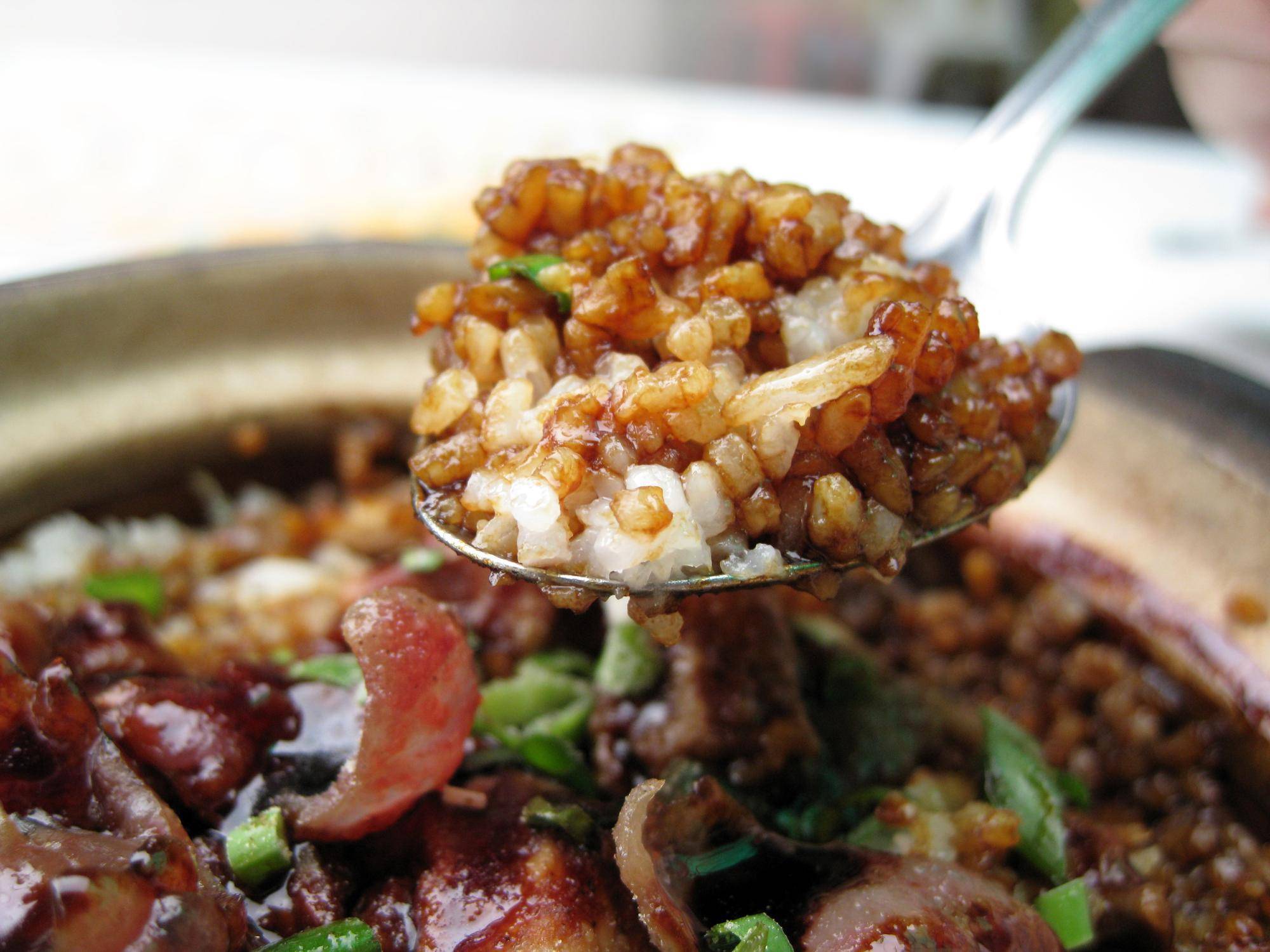
Put rice in a clay pot, add roasted pork, sausage, vegetables or other meats and ingredients, add seasonings, and then simmer. The finished clay pot rice has a crispy crust at the bottom, a chewy middle, and rice on top that absorbs the aroma of the meat and other ingredients.
Rice rolls
Rice rolls are a popular snack in Guangdong, often eaten for breakfast.
The main ingredients of rice noodle rolls are rice flour, eggs, vegetables, shrimp, and pork, and they are usually seasoned with soy sauce, peanut butter, sesame paste, sesame oil, or lard. Fried Dough Sticks (Zha Liang) are a combination of rice noodle rolls and fried dough sticks, usually served with a unique sweet soy sauce. Fried dough sticks are best eaten hot to ensure they are crispy. To make it easier to eat, it is cut into bite-sized pieces and garnished with sesame seeds and scallions.